How to Cultivate and Care for Abyssinian Gladiolus (Gladiolus callianthus)
Discover how to cultivate and care for Abyssinian Gladiolus (Gladiolus callianthus), including planting tips, soil preferences, maintenance, pest management, and ideal plant pairings.
How to Cultivate and Care for Abyssinian Gladiolus (Gladiolus callianthus)
August 9, 2026
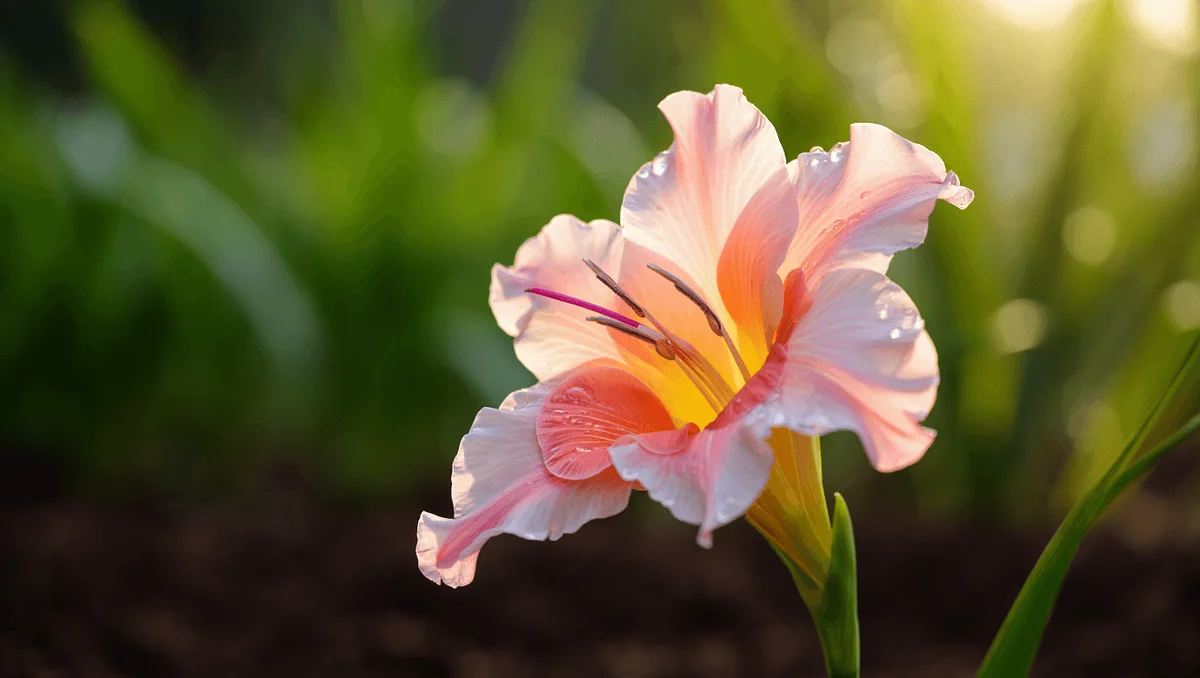
The Abyssinian gladiolus captivates gardeners with its delicate silhouette and fragrant blooms, reminiscent of the elegance found in Mediterranean meadows. Native to the Horn of Africa, this botanical species, scientifically known as Gladiolus callianthus, has become a favorite in modern gardens due to its natural grace and late flowering period. Garden enthusiasts often seek practical advice on planting, maintenance, and protecting the corms to ensure the development of white spikes adorned with purplish-brown spots. This guide offers tailored recommendations for cultivation, winter management, and effective plant pairings.
Where and When to Plant Abyssinian Gladiolus
Successful planting begins with selecting the right location. Choose a sunny spot that is sheltered from strong winds to promote upright growth of the stems and flowers. The best time to plant the corms is in the spring, once the soil has warmed and the risk of frost has passed.
Corms should be buried at a consistent depth to ensure the stability of the stems. Planting each corm about 10 cm deep guarantees proper rooting and an elegant posture of the flower spikes. The spacing between the plants should allow for air circulation and the formation of harmonious groupings.
You can create dense clusters for a carpet of flowers or plant them individually for striking vertical accents. The flowering period typically ranges from August to October, depending on the region, with spikes reaching heights of 0.7 to 1 meter that attract butterflies and pollinators.
What Soil and Exposure Suit Gladiolus callianthus?
The Abyssinian gladiolus thrives in loose, humus-rich, and well-drained soil. A light potting mix helps prevent water from stagnating around the corms, thereby reducing the risk of rot. Heavier soils can be improved by incorporating horticultural sand or well-decomposed compost.
Full sun exposure encourages abundant flowering and enhances fragrance. In very hot regions, a few hours of light afternoon shade can be beneficial. Avoiding strong drafts ensures that the slender stems remain upright without excessive staking.
How to Maintain Your Plants and Prepare Corms for Winter
Watering needs increase during the summer as the soil dries out. Regular but moderate watering helps maintain vigor without causing rot. Remove faded flowers promptly to concentrate energy on new blooms.
The foliage retains reserves in the corms until it naturally dries out. Wait for the leaves to turn completely yellow before cutting them back and digging up the storage organs. In colder climates, keep the corms dry and frost-free during winter.
Potted plants offer a practical alternative for harsh climates. These pots can be sheltered during the cold season and returned to the garden's light in spring. This approach minimizes risks associated with excessively cold winters and simplifies the rotation of varieties.
What Diseases and Pests Can Affect Abyssinian Gladiolus?
Corms may be susceptible to fungal attacks if the soil remains too moist for extended periods. Rot of the storage organs often occurs after cool, damp spells. A good practice is to only plant healthy corms and to discard any that show soft or discolored spots.
Thrips can also damage the flowers and foliage, causing spots and distortions. Regular monitoring of the aerial parts can help detect these pests quickly. Improving cultural conditions remains the best prevention against many health issues.
Which Plants Pair Well with Abyssinian Gladiolus for a Successful Bed?
The airy growth habit and fragrant blooms of the Abyssinian gladiolus pair beautifully with perennials and ornamental grasses. These combinations create a natural and contemporary effect when the corms are interspersed among other plant forms. The soft colors of the gladiolus are particularly elegant in a wildflower context.
Some ideal partners include:
- Pennisetum or other grasses for movement.
- Salvia or lavender for texture contrast and fragrance.
- Heuchera for colorful foliage as a counterpoint.
Such combinations promote visual balance and attract biodiversity.
Containers and terraces are also perfect for these plants. You can create staggered arrangements to play with the height and lightness of the spikes. Be sure to leave ample space for air circulation and drainage.
Which Gladiolus Varieties to Favor and How to Choose?
The Gladiolus genus encompasses nearly 300 species and thousands of hybrids. Your selection will depend on the desired effect between botanical elegance and the more dramatic appearance of hybrids. The Abyssinian gladiolus stands out for its white, spotted flowers and nocturnal fragrance.
Here are some interesting species based on the ambiance you wish to create: Gladiolus italicus offers purplish-pink tones, while Gladiolus cardinalis boasts vibrant reds. Botanical species often display better hardiness and a lighter silhouette compared to some modern cultivars.
The table below summarizes useful characteristics for selection and planting:
| Species or Group | Dominant Color | Height | Remark | |----------------------------|---------------------------|-------------|------------------------------------------| | Gladiolus callianthus | White with purplish-brown | 0.7 – 1 m | Highly fragrant and elegant | | Gladiolus italicus | Purplish-pink | 0.6 – 0.9 m | Rustic appearance | | Gladiolus cardinalis | Bright red | 0.8 – 1.2 m | Intense and spectacular | | Grandiflorus hybrids | Various | 0.8 – 1.2 m | Wide palette of colors |