Exploring the Benefits of Kombucha: A Natural Probiotic Beverage
Discover the origins, preparation methods, health benefits, and flavoring tips for kombucha, a natural probiotic beverage.
Exploring the Benefits of Kombucha: A Natural Probiotic Beverage
August 18, 2026
Kombucha has become a popular choice in modern diets, recognized for its refreshing taste and health benefits. Conversations about homemade kombucha, recipes, and the essential role of the SCOBY are common among friends and online forums. This lightly effervescent drink combines tea, sugar, and fermentation, making it a low-calorie alternative that supports gut health. This article provides practical insights, clear steps, and information on the benefits of kombucha.
The Origins of Kombucha
The exact origins of kombucha are not well-documented, but its spread dates back several centuries in Asia and Eastern Europe. The earliest serious written references appear in the 19th century in regions such as China, Japan, and later Russia and Ukraine. While the term "kombucha" has gained popularity, its Japanese etymology refers to a different type of seaweed tea.
The fermentation culture responsible for kombucha is known as SCOBY, which stands for Symbiotic Culture of Bacteria and Yeast. This gelatinous disc is primarily composed of bacterial cellulose and can be reused from batch to batch. Kombucha gained visibility in the United States in the 1990s and has since found its place in health food stores and among home brewers.
How to Make Kombucha at Home
To successfully brew kombucha, a clean environment and a healthy SCOBY are essential. Many people obtain a SCOBY from friends or purchase an unpasteurized bottle to start their culture. Maintaining proper temperature and using non-chlorinated water significantly enhance the fermentation quality.
- SCOBY (kombucha mother)
- 250 to 300 ml of kombucha from a previous batch
- 2 liters of filtered water
- 10 g of black or green tea
- 120 g of cane sugar
After brewing the tea and dissolving the sugar, allow the liquid to cool to a warm temperature before adding the SCOBY and the initial kombucha. Cover the jar with a clean cloth and place it in a location away from direct sunlight, at room temperature. The first fermentation typically lasts one to two weeks, depending on the ambient temperature and desired flavor.
| Step | Temperature | Indicative Duration | Taste Result | |-------------------------------|----------------|---------------------|----------------------| | Tea Infusion | 90–100°C | 6–10 minutes | Base flavor | | Cooling and Adding SCOBY | ~25–30°C | Immediate | Start of fermentation | | First Fermentation | 20–30°C | 7–14 days | Increasing acidity | | Second Fermentation in Bottles| 20–25°C | 2–3 days | Fizzy and flavored |
Health Benefits of Kombucha
Kombucha is notable for its high content of probiotics and organic acids produced during fermentation. These components help maintain a balanced gut flora and aid digestion. Many consumers report reduced bloating and improved regularity.
Among its nutrients, kombucha contains B vitamins and vitamin C, along with antioxidants derived from tea. It also includes acetic, gluconic, and lactic acids, which contribute to its flavor and various physiological effects. Although existing studies are limited, they suggest potential benefits without presenting kombucha as a cure-all.
Consumption should be moderate and gradual to prevent digestive discomfort. Individuals with health concerns or those on medication should consult a healthcare professional before adding kombucha to their diet. Avoid consuming any preparation showing signs of mold on the SCOBY.
Flavoring and Storing Your Kombucha
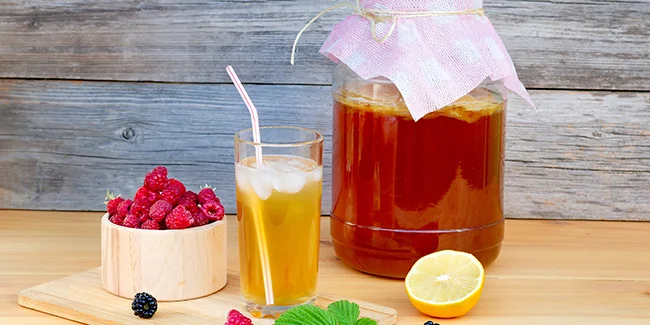
The second fermentation phase is an excellent opportunity to flavor the drink and enhance its natural carbonation. Many enthusiasts add fresh ginger, citrus peels, berries, or herbs to create diverse flavor profiles.
- Fresh ginger for a spicy kick
- Lemons or clementines for bright acidity
- Mint or verbena for refreshing notes
- Honey or fruit puree for natural sweetness
After bottling, refrigeration slows down fermentation and stabilizes flavor. The recommended storage duration is around one month if the bottles remain cold. Be sure to leave a few centimeters of air at the top of the bottles during the second fermentation and open them carefully to release pressure.