Essential Gear for Birdwatching: A Comprehensive Guide
Discover essential gear for birdwatching, from binoculars to spotting scopes, and learn how to enhance your outdoor experiences with the right equipment.
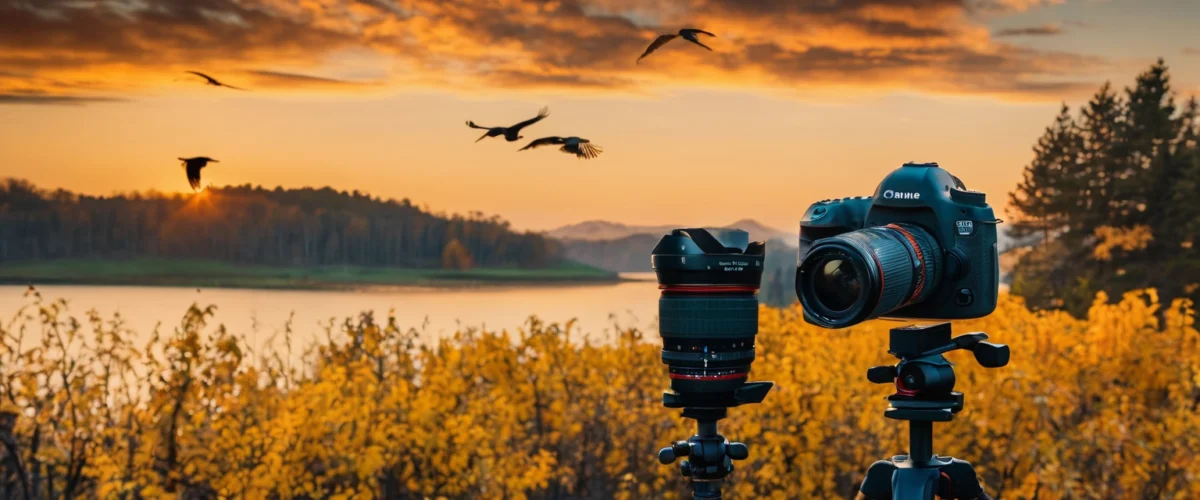
Imagine a serene sunrise over a tranquil pond, where a dipper dances in the rippling waters, or a curious robin approaches your path. The thrill of discovery in birdwatching is immense, yet many enthusiasts face common frustrations. Heavy equipment can weigh you down after hours of walking, rain can fog your lenses, and wind can make observations shaky. What if the right gear could transform these outings into unforgettable experiences?
This comprehensive guide aims to help you select your birdwatching equipment, whether you're a novice or a seasoned observer. We will explore binoculars, spotting scopes, essential accessories, and protective gear, offering practical tips to enhance your enjoyment in nature. Ready to equip your passion?
Choosing High-Performance Binoculars for Birdwatching
Binoculars are indispensable for birdwatching. We recommend a magnification of 8x or 10x, which provides a stable image without the need for a tripod, and an objective lens diameter of 30-42 mm for optimal brightness, especially during dawn or dusk. Models with excessive magnification (over 12x) can narrow the field of view, making it challenging to track birds in flight.
For a comfortable experience, opt for lightweight binoculars (under 700 g), waterproof designs, and an exit pupil of ≥4 mm for superior brightness. Ergonomic harnesses can help distribute weight, reducing fatigue during extended observations. Reliable brands such as Nikon, Vortex, or Zeiss offer durable investments.
Why Invest in Quality Binoculars?
Low-end binoculars tend to fog quickly and lack clarity. Beginners are advised to start with 8×42 models, which provide a wide field and are easy to handle. More experienced observers may prefer 10×42 models, which offer greater power for distant viewing.
| Model | Magnification | Diameter (mm) | Weight (g) | Advantages | Disadvantages | |-----------|---------------|----------------|-------------|---------------------------|------------------------| | 8×30 | 8x | 30 | ~500 | Lightweight, compact, good field | Less bright | | 8×42 | 8x | 42 | ~650 | Balanced, ideal for beginners | Slightly heavier | | 10×42 | 10x | 42 | ~700 | Powerful, bright | Narrower field |
Pro tip: Test binoculars in-store or on naturevision.fr to assess their ergonomics.
Spotting Scopes for Detailed Viewing
A spotting scope is an excellent complement to binoculars, especially for distant observations like waterfowl in a lake. With a high magnification range (20-60x via a zoom or fixed eyepiece) and an objective diameter of 60-80 mm, it provides sharp details of plumage. A stable, wind-resistant tripod is essential to avoid shaking.
Advantages include increased brightness (due to larger openings) and the ability to digiscope for photos or videos with an objective larger than 70 mm. Choose models with ED or Fluorite glass to minimize chromatic aberrations. For varied birdwatching conditions, opt for lightweight, waterproof designs.
- Zoom vs. Fixed: A versatile zoom (20-60x) vs. fixed for maximum clarity.
- Objective Diameter: 60-80 mm for a balance of weight and brightness.
- Tripod: Carbon, adjustable legs, and a fluid head.
- Key Advantage: Spot rare species from over 500 meters away.
Essential Accessories for Outings
To enhance your birdwatching experience, consider practical accessories. Bird identification guides (such as those from LPO or apps like BirdID) are invaluable for recognizing species. Waterproof Rite in the Rain notebooks are perfect for taking notes in any weather.
For capturing moments, a camera with a lens of ≥300 mm or digiscoping equipment is recommended. Binocular harnesses and neoprene covers can protect your gear.
- Guide (Paper/App): Contains illustrations, calls, and habitats.
- Weather-resistant Notebook: Made from synthetic paper.
- Camera: Long focal length and burst mode.
- Covers: Shockproof and waterproof.
Camouflage and Protection
To avoid disturbing wildlife, a camouflage net can blend into the environment, protecting both equipment and observer during waiting periods. This setup conceals tripods and spotting scopes, allowing for closer approaches.
For weather protection, removable hoods like Overcap shield your head and optics from rain, wind, and sun, freeing your hands for lightweight binoculars. Avoid cumbersome umbrellas. Benefits include prolonged comfort and serene observations.
Efficient Equipment Transport
Choosing robust backpacks designed for your body type is crucial, with compartments for binoculars, spotting scopes, guides, and snacks. Look for features like waterproof materials, ventilated backs, and quick access to optics.
Examples include 30-40L models for birdwatching, with padded straps. Weather resistance is essential for wet hikes.
Tips for Beginner Birdwatchers
Here’s a minimal kit for beginners: 8×42 binoculars (costing between €200-400), a guide, and a notebook (total budget around €300-500). You can progress to a spotting scope and tripod later (starting at €800). Avoid mistakes such as choosing overly heavy equipment or buying without testing.
Consider joining a guided outing for hands-on experience. For seasoned enthusiasts, a complete setup might run around €2000. Start simple; field experience is key.
Conclusion: With this comprehensive guide, prepare yourself for thrilling nature observations. Prioritize comfort and quality for years of enjoyment. Birdwatching rewards patience as much as it does equipment – grab your binoculars and get started!