Cultivating Aromatic and Medicinal Plants in Pots: Beauty, Fragrance, and Utility
Explore the beauty and utility of aromatic and medicinal plants in pots, perfect for enhancing any outdoor space with fragrance and functionality.
If you're contemplating what to grow this year, aromatic and medicinal plants deserve a prominent spot in your garden. Not only are they practically useful, but they also add a touch of understated beauty to any outdoor area. Here, we explore some inspiring options.
Beyond Basil: A World to Discover
When thinking about balcony herbs, basil often comes to mind, and it's easy to see why: fragrant, useful, and generous. However, the realm of aromatic and medicinal plants is far more diverse and intriguing than one might expect.
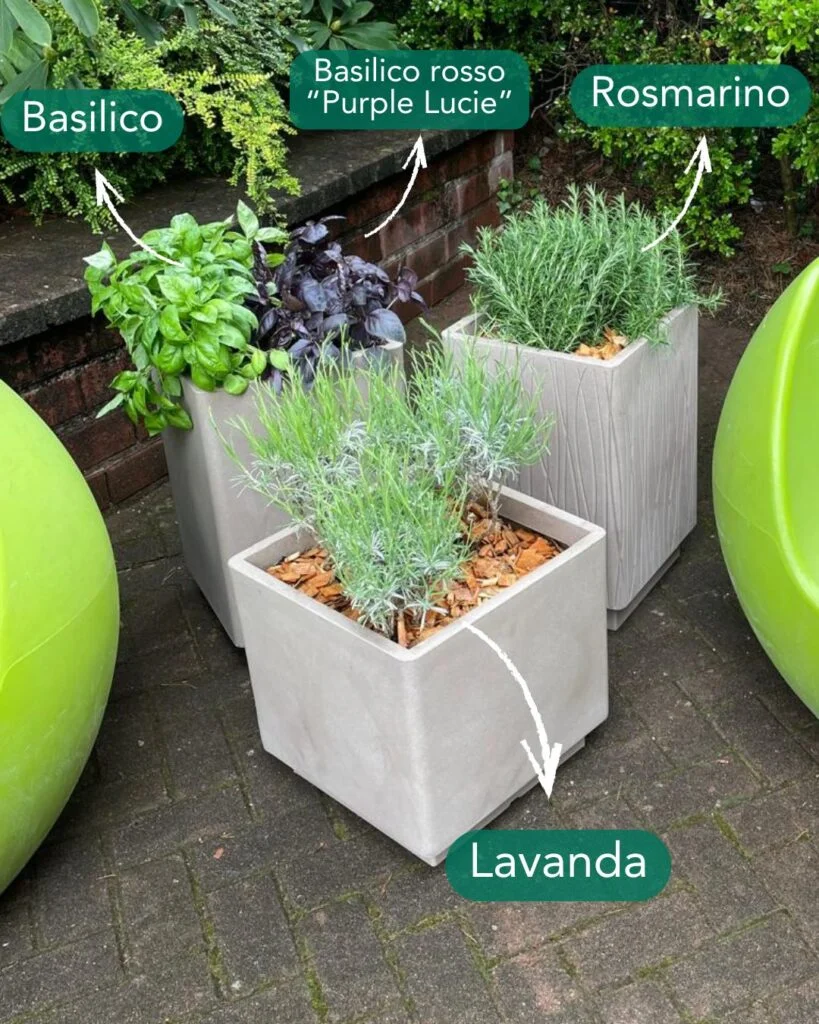
Lavender, with its striking purple spikes and unmistakable scent, has been utilized for centuries for its relaxing properties and is one of the most elegant additions to any terrace composition. Lemon balm, a relative of mint, features soft leaves and a fresh lemon aroma, making it delightful to touch. Meanwhile, calendula, with its vibrant orange and yellow flowers, is stunning enough to be mistaken for a purely ornamental plant, yet it has well-known soothing properties.
Completing the picture are rosemary, thyme, sage, and oregano, which embody a dual purpose: they are not only culinary herbs but also visually appealing and resilient to summer heat.
 How to Grow Herbs in Pots
The primary rule to follow is simple: ensure proper drainage. Aromatic and medicinal plants are more sensitive to water stagnation than to drought and have varying water needs. Some, like rosemary and thyme, thrive in drier soil, while others, such as basil and mint, require more moisture.
Starting with a lightweight, well-draining potting mix is essential for any container gardening. Adding a bit of sand or perlite significantly enhances drainage. These plants prefer full sun or very bright locations, as warmth and direct light help concentrate essential oils in the leaves, intensifying their fragrance and flavor. Watering should only occur when the soil feels dry.
An exception is mint, which enjoys a slightly shadier spot and more humid soil. It's advisable to keep it in a separate pot, as it can spread rapidly and may become invasive in mixed arrangements.
Enchanting and Fragrant Compositions!
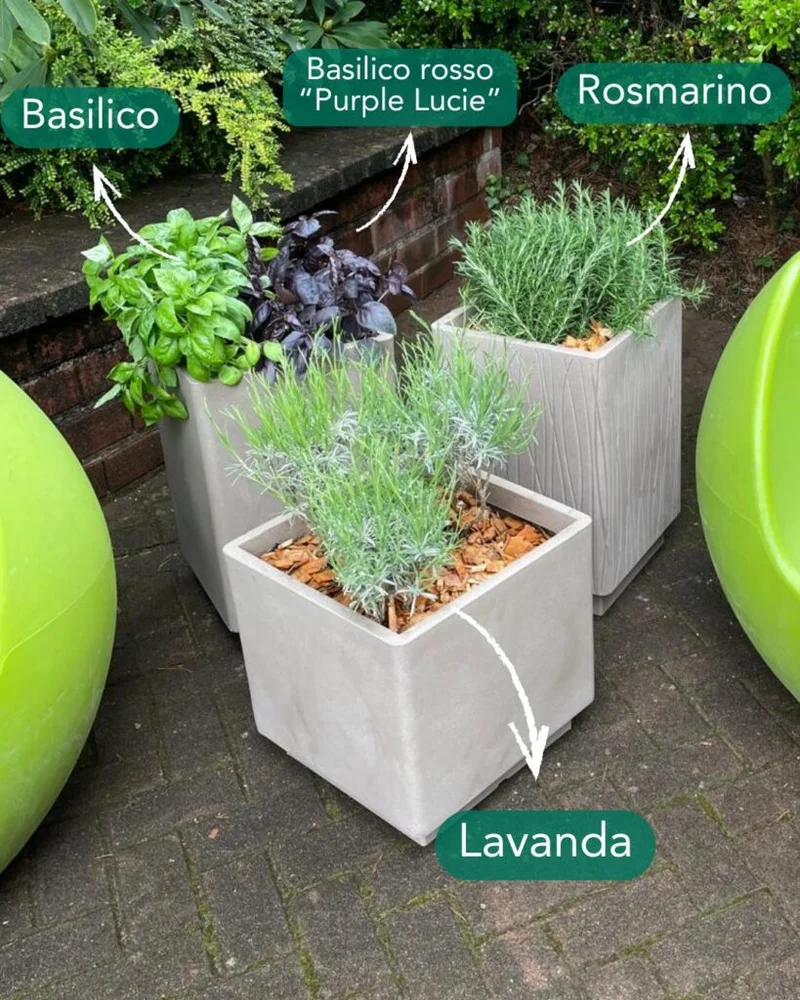
One of the most appealing aspects of aromatic plants is their compatibility in mixed arrangements, seamlessly blending functionality with aesthetics. When grouping these plants, it's important to consider their light and watering needs. A composition featuring rosemary at the center, thyme at the edges, and a few tufts of lavender in the background can transform a balcony corner into a visually appealing and aromatic oasis that is also useful in the kitchen.
The NATURALIA collection, along with the DECOR collection, with their stone-like textures, complements the essential and Mediterranean essence of these plants beautifully. For those looking to create a more intricate arrangement, alternating different sizes from the same line can add depth without visually cluttering the space. In collaboration with the Minoprio Foundation, we have recorded a Reel to delve deeper into their uses and characteristics, available on our social media channels.