Your Balcony in August – Harvesting, Caring, and Sowing
Discover essential gardening tips for your balcony in August, including watering, harvesting, and preparing for autumn crops.
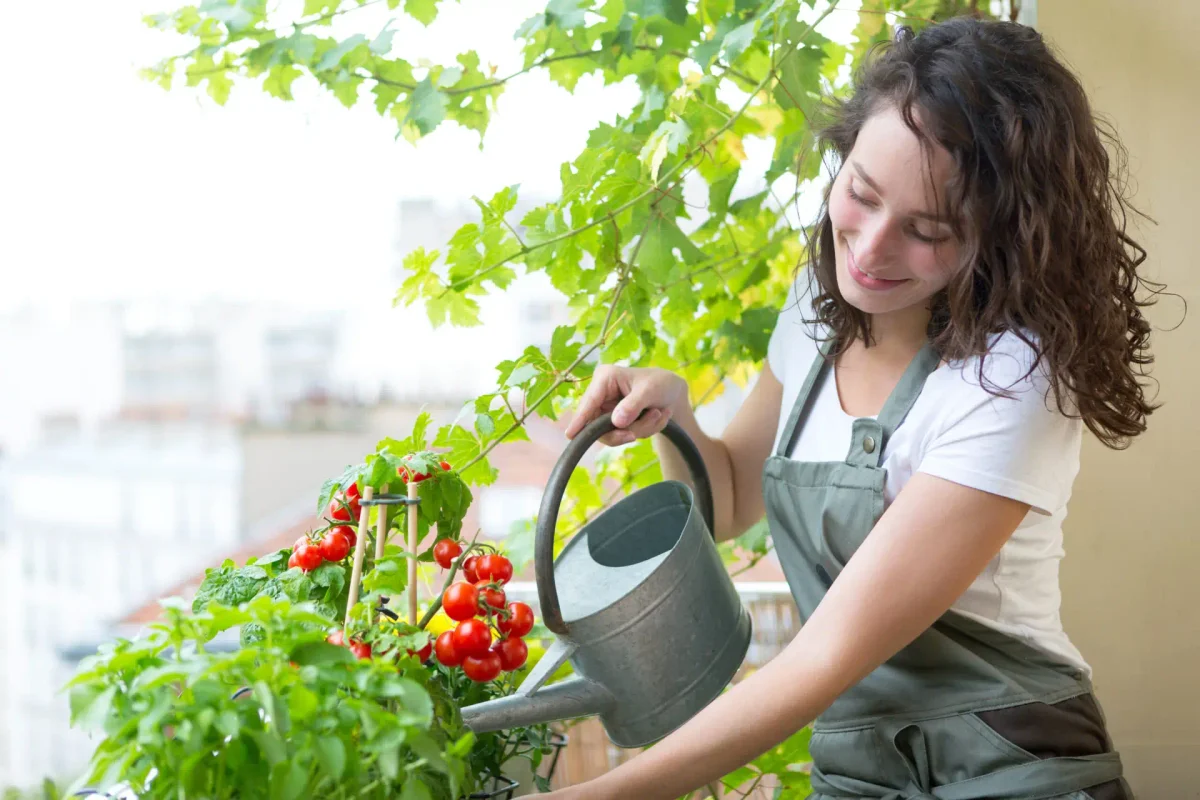
As August rolls in, the summer heat envelops the city, making it the perfect time to enjoy your balcony. Sip coffee in the afternoon sun and relish warm evenings with friends. However, there’s still work to be done in your garden space: tomatoes, peppers, and cucumbers are in full production, summer flowers are blooming, and empty containers can be prepared for fall harvests.
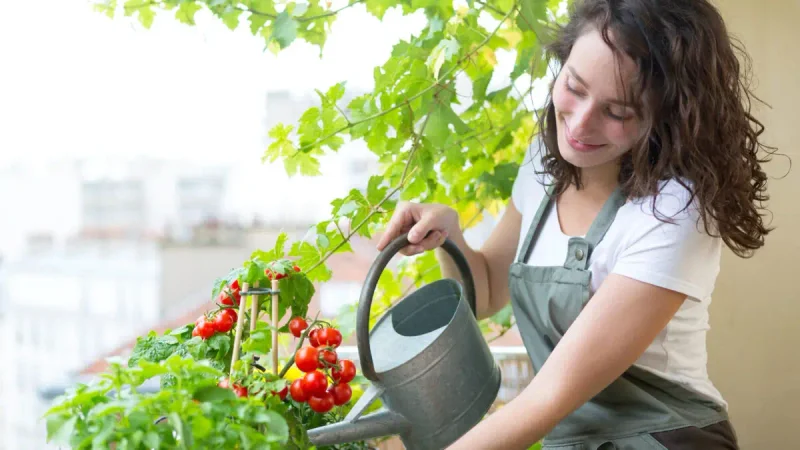
While not much new is added to your gardening routine, essential tasks remain: watering, harvesting, tidying up plants, and checking for pests. Some potted plants may also require you to start thinking about autumn.
Consistent Watering is Key
With the heat and wind, pots, balcony boxes, and hanging baskets can dry out quickly. Check the soil daily, and for smaller pots or thirsty plants, consider an evening check as well. Water slowly and directly onto the soil. If the root ball is very dry, apply water in several increments to prevent it from running out of the pot. Empty saucers should be drained afterward.
Particularly thirsty plants include:
- Tomatoes, cucumbers, peppers, and chilies
- Fuchsias and hydrangeas
- Densely planted balcony boxes
- Hanging baskets
- Newly sown salads and herbs
A brief rain shower often isn't sufficient. After rain, check the soil to see if it remains moist or if you need to water again.
Ongoing Care for Summer Flowers
To keep summer flowers like petunias, geraniums, verbena, fuchsias, and calibrachoa blooming into the fall, regular maintenance is essential. This includes removing wilted blooms to encourage new buds. Additionally, you should:
- Trim yellow and unhealthy leaves
- Remove mushy plant parts after rain
- Prune overly long shoots
- Thin out densely grown plants
- Remove dead plants from containers
By performing these tasks consistently, you can enjoy your summer blooms well into autumn.
Fertilizing as Needed
It is commonly suggested to stop fertilizing by mid-August, but this is not entirely accurate. Summer flowers and fruiting vegetables still require nutrients during this month. Therefore, continue to feed petunias, geraniums, tomatoes, cucumbers, peppers, and chilies as before.
For perennial potted plants that will be overwintered, you can gradually reduce fertilization towards the end of August. This helps prevent the growth of soft new shoots that may not mature adequately before winter.
Plants
Fertilization
Notes
Summer Flowers
Continue fertilizing
Follow manufacturer instructions
Fruiting Vegetables
Continue fertilizing
Until harvest ends
Herbs
Fertilize sparingly
Mediterranean herbs need fewer nutrients
Plants for Wintering
Gradually reduce
Especially nitrogen-rich fertilizers
Fall Seeds
Usually not necessary
Fresh soil is often sufficient
Yellowing leaves do not automatically indicate a nutrient deficiency; overwatering, dry soil, or too small pots can also cause similar symptoms.
Regular Harvesting of Vegetables
Tomatoes, cucumbers, peppers, chilies, and eggplants are ripening continuously now. Harvest fruits regularly and remove any damaged or rotting specimens.
Continue to tie up stake tomatoes and remove new side shoots in the leaf axils. For bush and balcony tomatoes, do not prune them; simply cut away any sick or obstructive leaves.
Guide cucumbers along trellises, and ensure that peppers and chilies receive consistent watering. Fluctuations between dry and overly wet soil can lead to split fruits or dark spots at the fruit's end.
Harvesting and Preserving Herbs
Basil, parsley, chives, mint, oregano, and other herbs can still be harvested fresh. When harvesting, avoid cutting the plants back completely; instead, take smaller amounts regularly.
Larger harvests can be dried, frozen, or transformed into herb oils and herb salts. Allow the flowers of oregano, thyme, and chives to remain if you wish to provide a food source for insects.
If the pot is completely root-bound, you can still repot or divide perennial herbs. During extreme heat, keep them sheltered for a few days afterward.
Sowing for Autumn
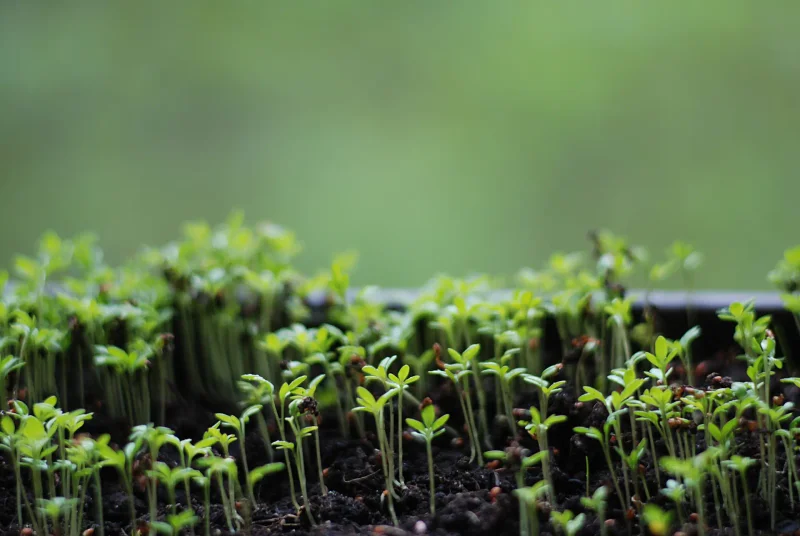
Harvested boxes do not need to stay empty. In August, you can sow various vegetables that will be harvested in the fall or even winter. Suitable options include:
- Lamb's lettuce
- Spinach
- Radishes
- Arugula
- Asian salads
- Cut salad
- Winter onions
- Cress
Before sowing, loosen the soil and remove old roots. Partially replace used substrate. Lamb's lettuce, spinach, and salads germinate poorly in high heat, so place the containers in partial shade initially and keep the soil evenly moist.
For radishes, spinach, and salads, choose varieties specifically suited for late summer or autumn sowing.
Propagating Cuttings
In August, you can propagate geraniums, fuchsias, verbena, and other balcony plants through cuttings. Cut a healthy, non-flowering shoot and remove the lower leaves. Place the cutting in a small pot with light seedling soil. Position it in a bright, sheltered area, avoiding direct midday sun. Keep the soil slightly moist, but not soggy. A closed plastic cover is usually unnecessary in summer, as it can become too hot and cause the cuttings to rot.
Pruning Wisteria
If you have wisteria on your balcony, you can shorten its long side shoots in August, leaving about five to six leaves. This keeps the plant compact and prevents it from overwhelming railings or trellises.
Simultaneously, check the plant’s supports. Older plants can become heavy and require a sturdy framework. Do not remove thick main shoots during summer pruning.
Planting Autumn Bloomers and Bulbs
You can fill the first gaps in balcony boxes with asters, chrysanthemums, heucheras, or small grasses. Healthy summer flowers can remain as long as they continue to produce new buds.
From mid-August, you can also plant some autumn-blooming bulbs and tubers in the soil. This includes saffron crocuses, autumn crocuses, and autumn meadow saffron. The planting depth depends on the specific type, as indicated on the packaging.
Caution: Autumn meadow saffron is highly toxic. If you have small children or pets, it’s best to avoid planting them or place them out of reach.
Additional Balcony Tasks for August
In addition to the larger tasks, there are several smaller chores you can address in August as needed:
- Clean and refill water dishes for birds and insects.
- Check the undersides of leaves for aphids, whiteflies, thrips, and spider mites.
- Remove mildew, gray mold, and rotten plant parts.
- Inspect and loosen trellises and plant ties.
- Collect ripe seeds from healthy balcony flowers.
- Empty saucers after heavy rain.
- Check railing boxes, hanging baskets, and supports.
- Secure sunshades, awnings, and lightweight furniture against storms.
- Test irrigation systems for several days before going on vacation.
- Clean empty pots and prepare them for autumn plants.
- Clear the balcony floor of soil, leaves, and old blooms.
Overview of August Tasks
Area
Tasks
Notes
Watering
Check soil daily
Small pots dry out faster
Flowers
Remove wilted blooms
Leave new buds
Fertilizer
Adjust supply
Continue fertilizing summer flowers
Vegetables
Harvest regularly
Remove damaged fruits
Tomatoes
Tie and prune as needed
Do not prune bush tomatoes
Herbs
Harvest and preserve
Do not cut back completely
Sowing
Sow autumn vegetables
Keep soil evenly moist
Cuttings
Root healthy shoots
Protect from midday sun
Wisteria
Shorten side shoots
Check supports
Autumn Flowers
Replant gaps
Do not hastily remove summer flowers
Pests
Inspect leaves and shoots
Control infestations early
Weather
Secure loose items
Check supports
Vacation
Organize watering
Test beforehand
Enjoying the Height of Summer
In August, balcony work typically involves small tasks: watering in the morning, picking ripe tomatoes, and removing a few wilted blooms. After these chores, you can let your balcony thrive on its own and enjoy the summer—ideally with your own harvest right beside your lounge chair.