Choosing the Right Power Tools for Landscaping: Key Considerations
This article discusses essential criteria for landscapers when selecting power tools, including safety, performance, ergonomics, and cost considerations.

As a landscaper, regularly updating your power tools is essential for effective project execution. Tools like shears, pruners, blowers, and hedge trimmers are heavily utilized on job sites. This article outlines several important criteria to consider when selecting your new equipment.
Safety First
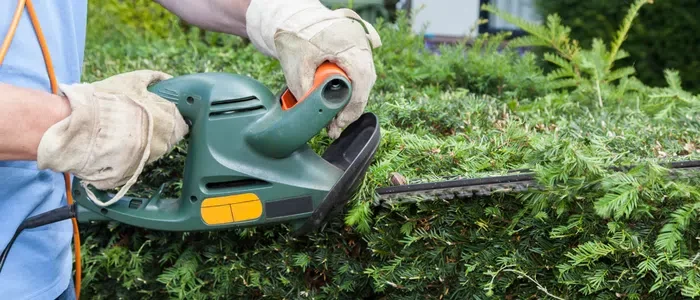
The foremost criterion for any landscaper in choosing tools is safety for themselves and their team. This aspect should never be overlooked. Tools such as hedge trimmers, chainsaws, and brush cutters are powerful machines that can pose risks if not used correctly. 🔒 It is crucial to prioritize reliable equipment equipped with effective safety features: chain brakes on chainsaws, debris guards on hedge trimmers, and locking mechanisms on pruners. Compromising safety is not an option. If you need guidance on reliable and secure tools, consider consulting the online tool specialist Krenobat.

Performance for Efficient Work
In landscaping, time is money ⏱️. Therefore, investing in high-performance tools that save time is vital. A powerful blower that can clear leaves and debris in a single pass allows for quicker work compared to a less efficient model that requires multiple passes. Similarly, a high-quality electric pruner that can effortlessly cut through thick branches significantly speeds up shrub trimming and reduces fatigue.
In the realm of tools, performance translates to time savings, which enhances profitability, especially for fixed-price jobs where every minute counts. Choosing effective tools enables faster work while ensuring high-quality results for clients.
Tool Ergonomics
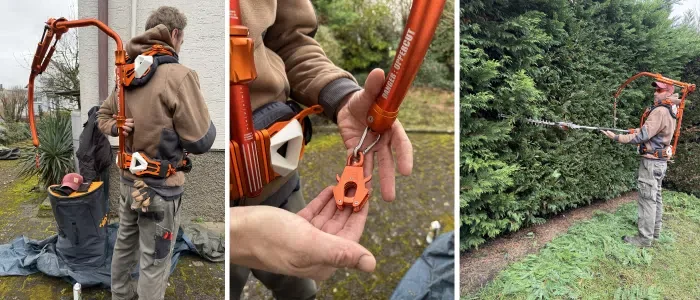
Comfortable tools are essential for landscapers. Thus, considering the ergonomics, ease of use, and maneuverability of tools is important. Well-designed tools minimize fatigue, streamline daily tasks, and improve efficiency on job sites.
It is advisable to test tools in stores, at trade shows, or even at a colleague's site before making a purchase. Be wary of the trap of relying solely on recommendations; what works for one gardener may not suit another. Tool ergonomics can vary significantly between individuals, making it essential to choose what feels right for you personally. 👍
Assessing Your Needs Before Purchase
As with any purchase, carefully evaluating your needs before acquiring tools is crucial 🛠️: Will I use this tool regularly? How many projects will it be needed for, and what will the duration of use be per task? These questions will help clarify how you plan to use the tool and guide your choice. There’s no need to invest in a high-performing, expensive tool for occasional use, as the return on investment would be minimal. Conversely, tools used frequently across multiple projects will require greater performance and durability.
Electric vs. Gas-Powered Tools
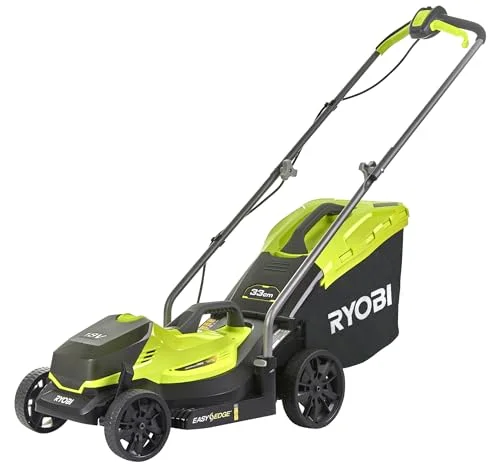
In the landscaping sector, electric tools have become indispensable for many ⚡. They are typically lighter than gas-powered tools, making them more comfortable to use daily and helping to prevent musculoskeletal disorders (MSDs). Additionally, electric tools are quieter 🤫, which is a significant advantage for maintenance tasks; for instance, you can mow or trim early in the morning without disturbing neighbors, allowing for extended work hours during hot weather. Furthermore, they do not rely on gasoline, making them both economical and eco-friendly 👍🍃. While electric tools may have a higher upfront cost than gas models, this investment pays off in the long run due to lower maintenance costs, durability, and everyday comfort.
Quality-Price Ratio
Of course, price is a critical factor when selecting tools 💰. Few entrepreneurs have unlimited budgets for equipment. Therefore, ensuring that quality matches the investment is vital.
You have several options: you can choose to equip yourself with low-cost tools, knowing they will need to be replaced quickly ⚡, or you can opt for an investment that lasts for several years. Fortunately, the market today offers a wide range of brands with varying prices (and quality).
Durability and Availability of Spare Parts
For a landscaper, nothing is more frustrating than a tool breaking down ⚠️, especially right before a major project! Before purchasing any power tool, it is essential to research its repairability, the availability of spare parts, and the warranty offered. For cutting tools, it is equally important that accessories such as blades, chains, or strings are easy to find 🔧.
Regular maintenance extends the lifespan of tools, but it must be straightforward to perform. Choosing equipment that is easy to maintain, with accessible and standardized parts, saves time, prevents breakdowns, and helps maintain optimal performance over the long term.
In summary, selecting power tools should be a thoughtful decision. Safety must never be compromised. The investment made in purchasing a tool should reflect its intended use to optimize returns. Additionally, do not overlook ergonomics, as this will make the tool enjoyable and comfortable to use daily!