Choosing and Caring for Ornamental Shrubs: A Comprehensive Guide
Choosing the right ornamental shrubs is crucial for creating a vibrant garden. This guide covers their roles, selection criteria, and maintenance tips to ensure a thriving outdoor space.

Transforming a garden into a vibrant and inviting space hinges significantly on the selection of ornamental shrubs. These plants not only define the layout of the garden but also enhance boundaries, attract beneficial wildlife, and provide a variety of colors and textures throughout the seasons. To create a harmonious and manageable outdoor environment, several criteria should guide the selection, planting, and maintenance of these shrubs.
The Role of Ornamental Shrubs in a Garden
Ornamental shrubs contribute far more than mere decoration. They help to structure the garden, create intimate spaces, and direct the eye toward flower beds or resting areas. Rather than planting impulsively, it is essential to define the role of each plant within the overall design.
Some shrubs can obscure views near a patio, while others might line a pathway or accentuate a low wall with their compact growth. By varying between deciduous and evergreen foliage, they create delightful surprises during blooming seasons or when autumn light enhances their colors. The selection of species also plays a vital role in promoting biodiversity, as many birds, pollinating insects, and butterflies find refuge in these green hedges.
Selecting the Right Ornamental Shrubs
It can be challenging to resist the allure of a beautiful plant spotted at a garden center. However, choosing the right shrubs requires careful thought to ensure their long-term health. Attention to specific details during the purchase can help avoid common mistakes and maximize the potential for the selected shrubs to thrive in their new environment. There are numerous varieties of ornamental shrubs available to meet the aesthetic and practical needs of any garden.
Adapting Varieties to Climate and Soil
First and foremost, it is crucial to assess the local climate and the type of soil in your garden. A quick evaluation can reveal whether the soil is clayey, sandy, or calcareous and identify the dominant exposures. The specific needs of plants can vary widely; some are tolerant of wind or cold, while others are sensitive to frost or prefer light shade.
For instance, camellias thrive in acidic, cool soils, while oleanders are better suited to Mediterranean heat. Matching species to the local context can prevent disappointments post-planting. Fortunately, a wide range of ornamental shrubs is available that can adapt to nearly every type of soil and exposure.
Alternating Between Evergreen and Deciduous Foliage
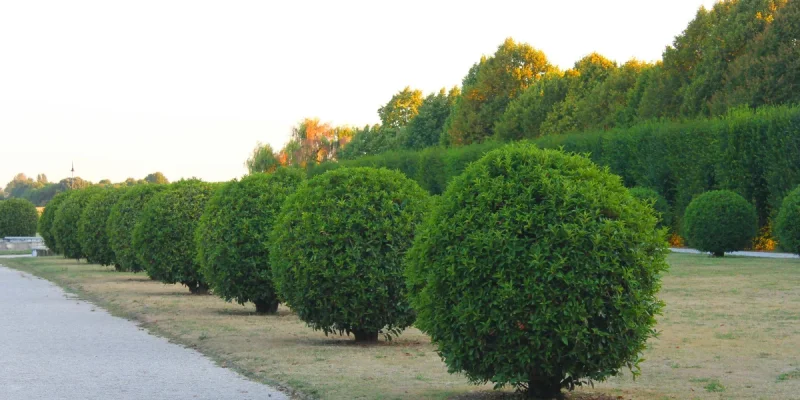
The diversity of foliage is key to maintaining a lush garden even during winter months. Evergreen shrubs retain their leaves year-round, providing a solid foundation, while deciduous varieties reveal their bare branches in autumn, often showcasing stunning colors before leaf drop.
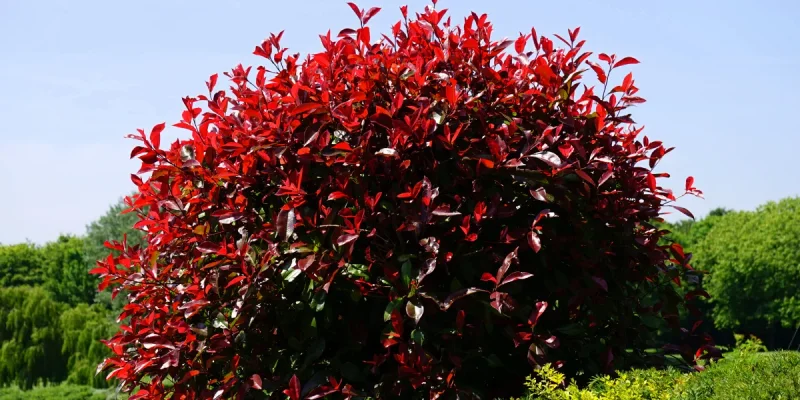
Mixing these two types of foliage ensures a constant decorative presence while allowing for seasonal variations. Among evergreens, photinia stands out with its colorful leaves, whereas lilacs, which are deciduous, impress with their fragrant blooms hidden behind a more subdued appearance in the off-season.
Focusing on Diverse Flowering Periods
To enliven a flower bed, staggering flowering periods by mixing different varieties can be quite effective. Some species bloom early in spring, while others extend their display well into late summer.
A thoughtful selection of ornamental shrubs ensures a succession of colors and scents, from the vibrant forsythia in March to the lush hydrangeas during the summer heat. By combining several specimens with complementary attributes, the garden remains dynamic and ever-changing throughout the year.
Tips for Planting and Maintenance
For newly planted shrubs to establish quickly and flourish, simple practices can enhance both planting and ongoing care. The initial years are crucial for developing a deep root system, which is essential for vigorous growth.
Key steps to follow when creating a flower bed of ornamental shrubs include:
- Carefully dig the planting area and enrich the soil according to the specific needs of the chosen plants.
- Soak the root ball to encourage recovery, then plant the shrub, firming it gently and watering generously.
- Apply a natural mulch to retain moisture and suppress weed growth around the base.
Maintenance goes beyond just watering. Proper pruning encourages branching, secures taller plants, and promotes future blooms. Regularly checking the health of the foliage helps to prevent signs of disease or deficiencies based on soil type or sun exposure.
It is also important to regularly refresh the mulch, monitor watering especially during dry spells, and apply a bit of organic fertilizer in early spring. Over time, shrubs require less attention, but they remain sensitive to improper pruning or extreme exposure.
Useful Resources for Making Informed Choices
To refine your selection of shrubs, consulting specialized literature or visiting botanical gardens can provide valuable inspiration. Many guides detail plant families suited for specific uses, with precise selection criteria based on color, flowering periods, or hardiness.
Comparative charts can simplify decision-making, especially if you aim to create a flowering hedge, mix small and large specimens, or incorporate unique species.
Attending open days at local nurseries also allows for personalized advice regarding pruning, exposure, or the specific requirements of certain ornamental shrubs. Online forums and exchange groups are additional resources for shared experiences.
Choosing the right ornamental shrubs is often essential for enlivening outdoor spaces, striking a balance between structure, foliage diversity, and rich flowering. By considering exposure, soil type, and the specific needs of selected plants, anyone can create a setting where nature and aesthetics meet harmoniously.
The attention given to initial planting and maintenance ensures healthy growth, enabling full enjoyment of a welcoming space that is resilient to the elements and supportive of local wildlife. The joy of watching an ornamental shrub bed evolve grows with each season, continuously offering new discoveries and visual satisfaction.