Building an Insect Hotel: A Step-by-Step Guide
A well-constructed insect hotel can attract up to 30 different species. Build it using natural, untreated materials like raw wood, bamboo, and drilled logs.
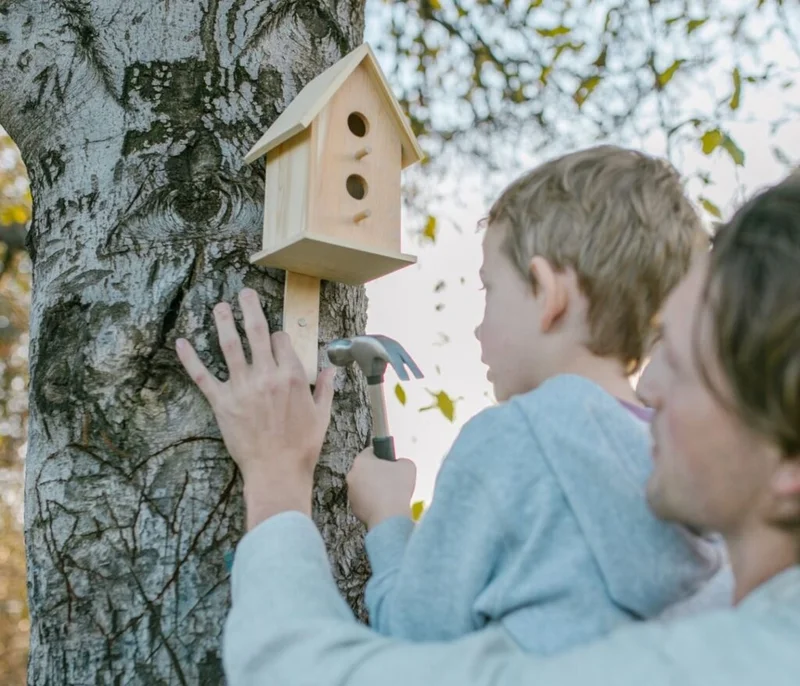
Creating an insect hotel is a rewarding project that can attract up to 30 different species, including solitary bees, ladybugs, and lacewings. This simple structure provides essential refuge for pollinators and beneficial insects, making it a delightful addition to any garden.
However, a poorly designed insect hotel can inadvertently become a trap for these creatures. Many commercially available models have oversized holes or are made from treated wood, which can deter insects or even lead to their demise. Don’t worry, though! This guide will walk you through the process of building your own insect hotel using readily available materials in France.
Choosing Materials for a Sustainable Hotel
The key to a successful insect hotel lies in the choice of materials. Opt for natural, untreated options. It's crucial to avoid plastic, glass, or treated wood, as these can be harmful to insects. Here are some recommended materials:
- Untreated Wood: Look for non-treated pallets (marked HT or ISPM 15), oak, spruce, or poplar boards.
- Hollow Stems: Use bamboo, elderberry, bramble, raspberry, or reed. Cut behind a node to prevent mold.
- Softwood: Create holes in logs (3 to 12 mm diameter, 10-15 cm deep).
- Filling Materials: Pine cones, straw, hay, moss, hollow tiles, and bark.
- Binders: Use clay (loam) to seal cavities.
In France, many of these materials can be sourced from nature, such as under dead wood or in hedgerows. Avoid using expanded clay pebbles (too smooth) and empty snail shells (which attract slugs).
Designing Modules to Attract Various Species
Different insects have specific habitat preferences. An effective insect hotel should include a variety of compartments. Here are some suggested modules:
- Solitary Bees Module (Osmia, Megachile): A block of wood with holes ranging from 3 to 10 mm, facing southeast.
- Earwig Module: An upside-down terracotta pot filled with straw.
- Ladybug and Lacewing Module: A wooden box containing hollow bamboo stems (openings of 2 to 5 mm).
- Butterfly Module: A pile of dead branches and bark, placed in the shade.
- Ground Beetle Module: A layer of dead leaves and moss at the base of the hotel.
Vary the diameters and orientations of the holes. Solitary bees prefer clean holes without splinters. One client had issues with holes that were too large, attracting wasps instead of bees. After reducing the size, he successfully attracted solitary bees.
Step-by-Step Construction of the Hotel
Here’s how to assemble your insect hotel. Think of it as organizing your garage: it requires order and method.
Materials Needed:
- An untreated wood pallet (or 4 boards for a frame measuring 60 x 80 cm)
- Stainless steel screws (or galvanized nails)
- Saw, drill, hammer, measuring tape
- Gardening gloves
Steps:
- Prepare the Frame: Keep the pallet structure or assemble a rectangle with 4 boards.
- Create Compartments: Cut boards to form 3 to 5 rows of cells.
- Drill Holes in Logs: Make holes of 3, 5, 7, and 10 mm in hardwood logs, leaving 1 cm at the bottom.
- Cut the Stems: Trim bamboo or reeds to 15-20 cm, cleaning the inner nodes.
- Fill the Modules: Place each material into its respective cell, packing it lightly.
- Close the Back: Attach a board at the back to protect against wind and rain.
- Add a Roof: Use a slanted board or tile, with a 5 cm overhang.
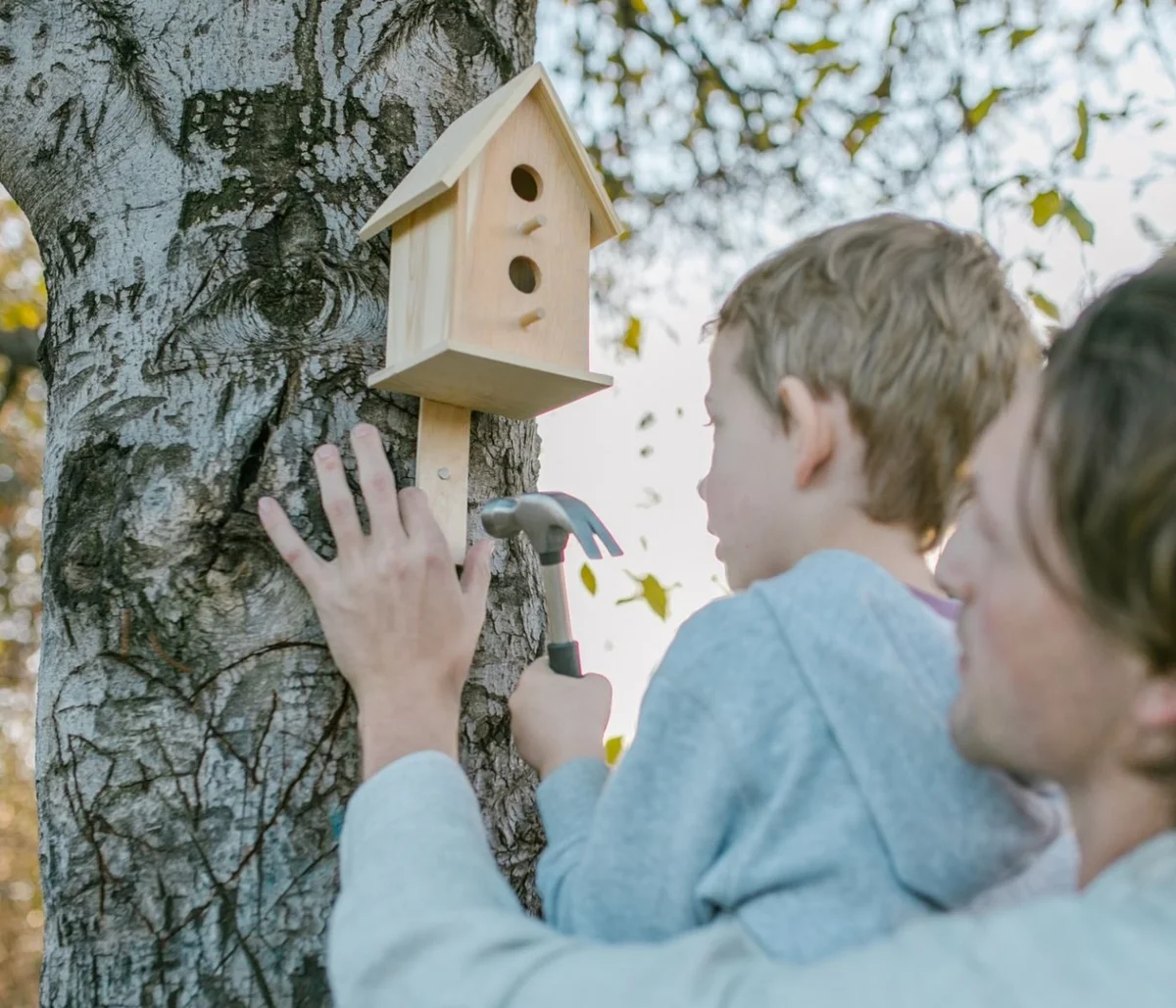
- Mount the Hotel: Secure it to a wall, post, or tree.
This method, which I have used for years, works wonderfully. While it requires some effort, the results are well worth it.
Where to Install the Insect Hotel in France
The placement of your insect hotel is critical. Incorrect positioning can undermine your efforts. Here are some essential guidelines:
- Orientation: Face it south or southeast to capture morning sunlight, as insects need warmth to become active.
- Height: Position it between 1 and 1.5 meters off the ground to avoid moisture and predators (like mice and birds).
- Protection: Place it against a wall or tree, sheltered from prevailing winds (often from the west in France).
- Stability: Secure it firmly with appropriate screws and anchors.
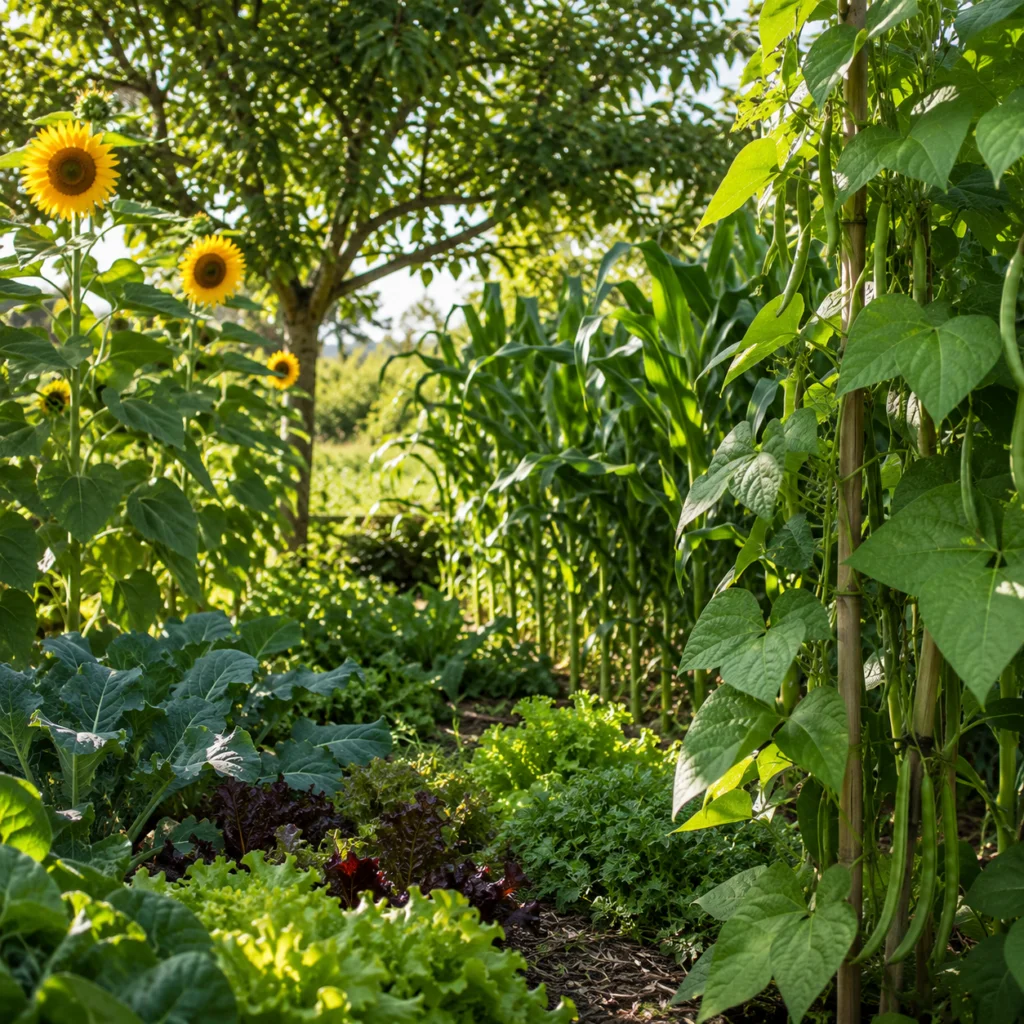
Avoid placing it under a fruit tree treated with pesticides. Ideally, position it near a flowering hedge, vegetable garden, or water feature. I have mine located close to my lavender patch, and the bees are thriving.
Maintaining the Hotel
An insect hotel requires regular maintenance to ensure its longevity. Here’s my seasonal maintenance schedule for the French climate:
- Spring: Clean the modules, replace blocked stems with clay, and check the roof for leaks.
- Summer: Observe without disturbing. Do not move the hotel during nesting periods.
- Autumn: Remove dead leaves and spider webs. Add fresh straw to the earwig modules.
- Winter: Leave the hotel in place as insects hibernate. Do not bring it indoors.
Avoid cleaning with water or chemicals; a simple dry brush will suffice. Nature has its way, doesn’t it?
Common Mistakes to Avoid
I have seen too many poorly designed hotels. Here are the most frequent pitfalls:
- Treated Wood: The chemical fumes can kill larvae.
- Holes Too Large (> 12 mm): These attract wasps and hornets.
- Hotel in Shade or Facing North: Insects will not come.
- No Roof: Rainwater can rot the wood and drown larvae.
- Too Smooth Materials (Glass, Plastic): Insects cannot grip.
- Monotonous Modules: You will only attract a single species.
For me, it’s a mistake to overcomplicate things. A simple, well-designed hotel is better than an elaborate but poorly constructed one.
Comparison Table: Homemade vs. Store-Bought Hotels
| Criteria | Homemade | Store-Bought | |-----------------------|------------------------------|--------------------------| | Cost | €15 to €30 (reused materials)| €30 to €80 (French garden center)| | Customization | Tailored modules, targeted species| Often standard, limited variety| | Durability | Untreated wood, solid assembly| Sometimes treated wood, fragile roof| | Attractiveness | Up to 30 different species | On average, 8 to 12 species | | Construction Time | 2 to 4 hours | Immediate purchase |
In my opinion, homemade is far superior. You control every detail, and it’s gratifying to see insects settle in a home you built with your own hands.
Frequently Asked Questions about Insect Hotels
When Should I Install an Insect Hotel?
Ideally in spring or autumn. Insects are looking for shelter to nest or hibernate during these times. However, you can install it year-round as long as the weather is dry.
What Insects Will I Attract in France?
You can expect solitary bees (Osmia, Megachile), ladybugs, lacewings, earwigs, ground beetles, and small butterflies. If the holes are appropriately sized (less than 12 mm), there’s little chance of attracting hornets. According to a study by the Garden Biodiversity Observatory, a well-designed hotel can host up to 30 different species.
How Much Does It Cost to Build an Insect Hotel?
Building one can cost between €15 and €30 if you source materials like pallets and reclaimed wood. A commercial model typically ranges from €30 to €80 at a French garden center, making homemade the better value.
Is a Waterproof Roof Necessary?
Absolutely. Use a tile, slate, or bitumen board. Moisture is the number one enemy. Without a roof, the hotel can rot within 2 to 3 years, and larvae may drown.
In conclusion, constructing an insect hotel is a simple, economical, and ecological gesture. With a bit of patience, you’ll see biodiversity flourish in your garden. So, grab your tools and get started!

Élise Dubois
Horticulturist & Urban Herbalist
My journey into the plant world began at a young age in my grandmother’s garden, where I discovered the magic of a seed transforming into a plant and the generosity of well-nourished soil. This fascination evolved into a vocation after studying horticulture and landscaping.