Beans: From Sowing to Harvest - A Comprehensive Guide
Discover the comprehensive guide to growing beans, from sowing to harvest, including tips on choosing varieties and ideal growing conditions.
Beans: From Sowing to Harvest – A Comprehensive Guide
by Jean-Baptiste | May 21, 2026
Beans are a staple in any vegetable garden, appreciated by both novice and seasoned gardeners for their ease of cultivation and high yield. To ensure a successful bean harvest, certain key factors must be considered, such as soil quality, water management, variety selection, and growth types.
Beans, scientifically known as Phaseolus vulgaris, are legumes that possess the unique ability to fix atmospheric nitrogen through a symbiotic relationship with soil bacteria. This characteristic makes them valuable allies in the garden, enhancing soil fertility while providing a nutritious crop. Thus, growing beans not only yields food but also slightly improves soil quality.
Different Types of Beans to Cultivate
Understanding the diversity of beans is essential before starting cultivation. Beans can be categorized based on their harvest stage. Green beans are harvested young, before the seeds develop, allowing for the consumption of immature pods. These are similar to snap beans, which lack strings, remain tender longer, and offer flexibility in harvesting. If certain varieties of green beans are left too long, they may develop strings along the pods. On the other hand, snap beans remain delicious even as the seeds begin to swell within the pods.
Additionally, there are shelling beans, which can be harvested at two stages: when the seeds are formed but still fresh, or left to dry on the plant until fully mature for storage.
This diversity in usage is complemented by a wide range of shapes and textures. Some beans are slender and delicate, while others are more robust. Heirloom varieties can offer surprising colors and flavors, influencing the cultivation calendar, production duration, and storage options.
Dwarf Beans vs. Climbing Beans: Two Cultivation Strategies
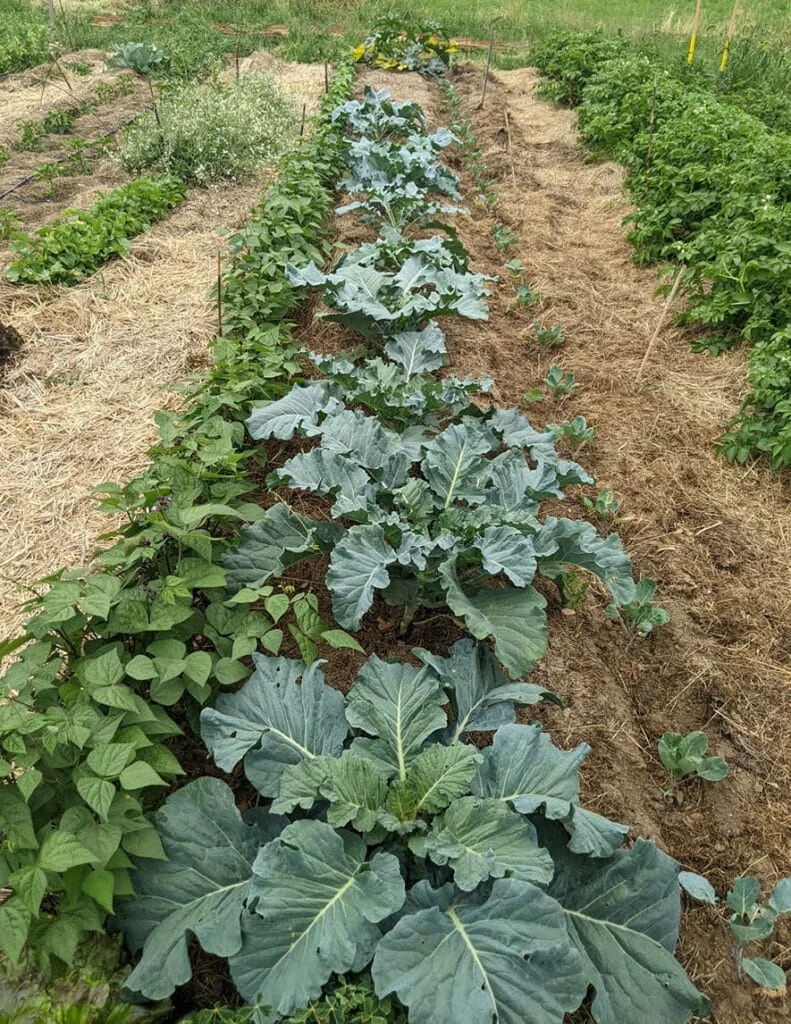
The choice between dwarf beans and climbing beans significantly shapes the cultivation process. Dwarf beans have a compact growth habit and do not require support. They grow quickly, yielding a concentrated harvest over a relatively short period. They are particularly suited for small spaces or for gardeners seeking quick and easy yields. Simply sow them in a furrow, mound the soil when they reach about thirty centimeters, and harvest regularly.
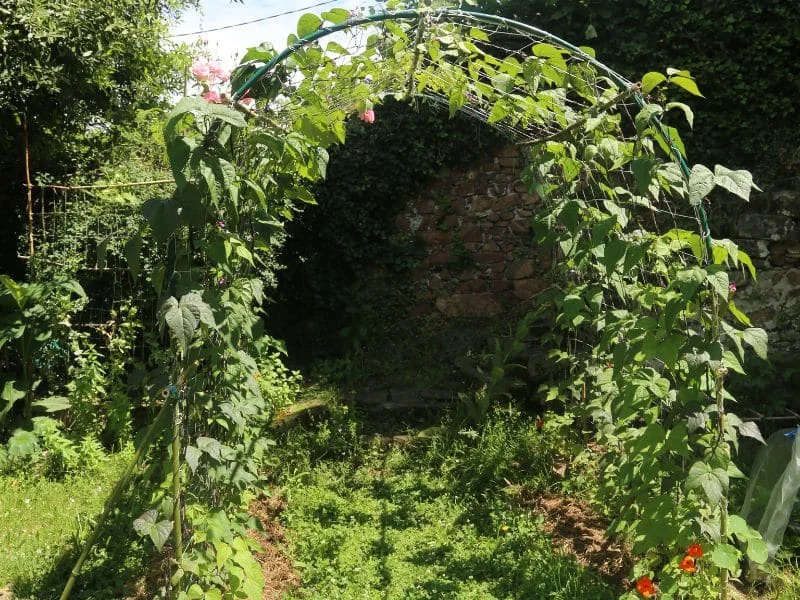
In contrast, climbing beans develop a growth habit that can reach several meters. With adequate support, they can climb two to three meters in just a few weeks. While they require the installation of supports, they offer a more abundant and staggered harvest over time. Climbing beans take a little longer to produce fruit compared to their dwarf counterparts, but they allow for vertical space utilization in the garden, which is particularly beneficial in smaller plots.
In my own garden, I grow both dwarf and climbing beans. The former are ideal for preservation, as they mature quickly and in large quantities, allowing for freezing or canning. Climbing beans enable a more extended harvest period throughout the summer.
I have yet to cultivate dry beans, which require only a single harvest and can be stored for several years without processing. This is a cultivation method I am considering to diversify my winter food supplies.
Selecting Bean Varieties
The selection of bean varieties is crucial for successful cultivation. It should align with the climate, soil type, and intended use. Some varieties are better suited to high heat, while others are more resistant to humidity or diseases. Gardeners should experiment with various types to find those that thrive best in their specific conditions. For instance, different regions in France have local varieties that are well-adapted to their terroirs, such as the Soissons beans from Aisne, Paimpol beans from Brittany, and Castelnaudary beans for cassoulet.
In a permaculture approach, heirloom varieties that can be reproduced season after season are particularly valuable. They allow gardeners to produce their own seeds while supporting small-scale French seed producers.
My favorite variety, which I have been reproducing in my garden for several years, is the climbing Carminat. This variety produces long, nearly stringless purple pods, with harvests that can be staggered throughout the summer if adequately watered. The color of these beans is a significant advantage; they are easy to spot during harvest, unlike green beans, and this is also true for some butter bean varieties that are easier to locate.
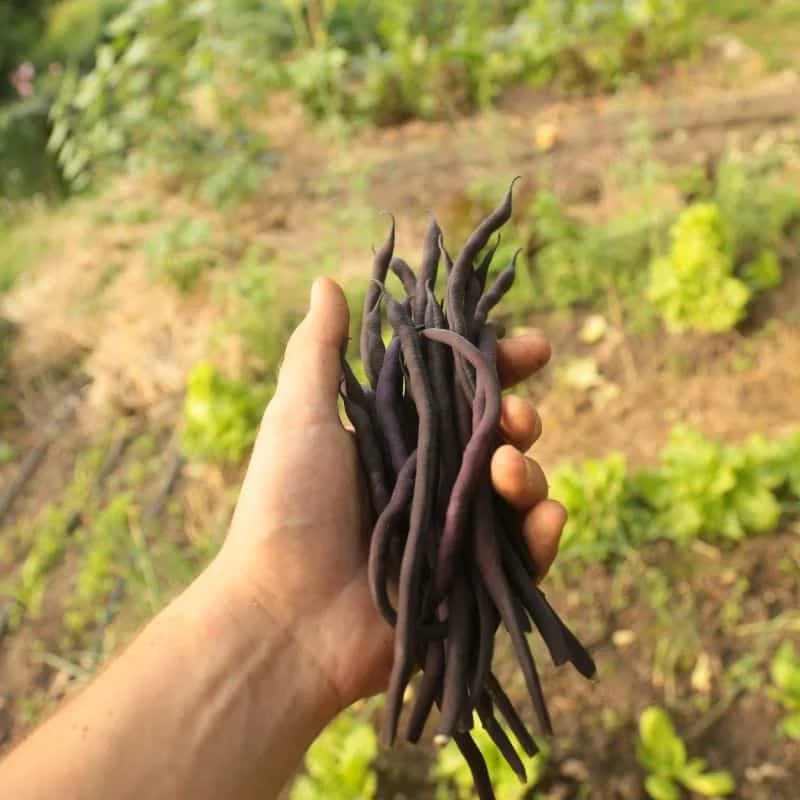
For abundant harvests and preservation, I often choose dwarf Pongo beans, which are remarkable for their productivity. If you are looking for colorful dwarf varieties, the Mystik has also yielded good results for me last year. What are your favorite varieties? Feel free to share them in the comments.
Ideal Conditions for Bean Cultivation
Beans thrive in light, well-drained soils that are rich in biological activity. Generally, they do well in a garden bed without the need for specific amendments before planting; in fact, they are sensitive to excess nitrogen, which promotes leaf growth at the expense of pod development. A balanced, living, and structured soil is the best foundation for successful cultivation. Therefore, avoid adding manure or complete fertilizers before planting. If your soil is not in top condition, a light application of well-matured compost may be beneficial.
Heat is another critical factor. Beans are sensitive to cold and should only be sown when the soil is adequately warmed, typically after the last frost. If the weather permits, I sometimes attempt to sow directly in the ground by mid-April for an early crop. Depending on the year’s weather and your climate, it may be necessary to wait until mid-May for optimal results. Sowing in cold soil can lead to slow germination and poor growth, with some seeds rotting if the ground is too cold and damp. Full sun exposure is essential for good growth and satisfactory yields, although beans can tolerate partial shade during the peak summer months, which can help reduce watering needs.
When and How to Sow Beans
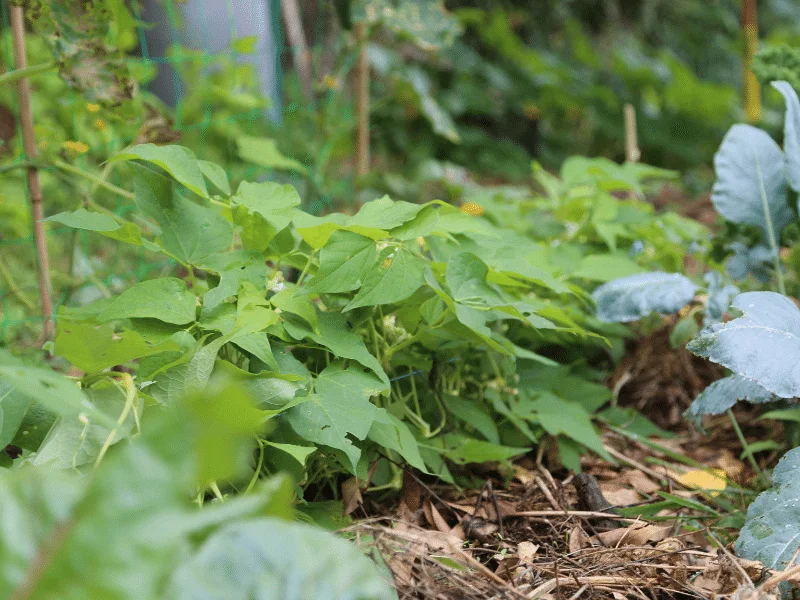
Sowing typically occurs between May and July, depending on regional climate conditions. It is advisable to stagger sowings to spread out the harvest and avoid a concentrated yield. Personally, I often plant two series of climbing beans: one between mid-April and mid-May, followed by another in June. Concurrently, I also sow a series of dwarf beans intended for preserves between mid-May and mid-June to shield them from excessive summer heat. The harvest usually occurs in July.
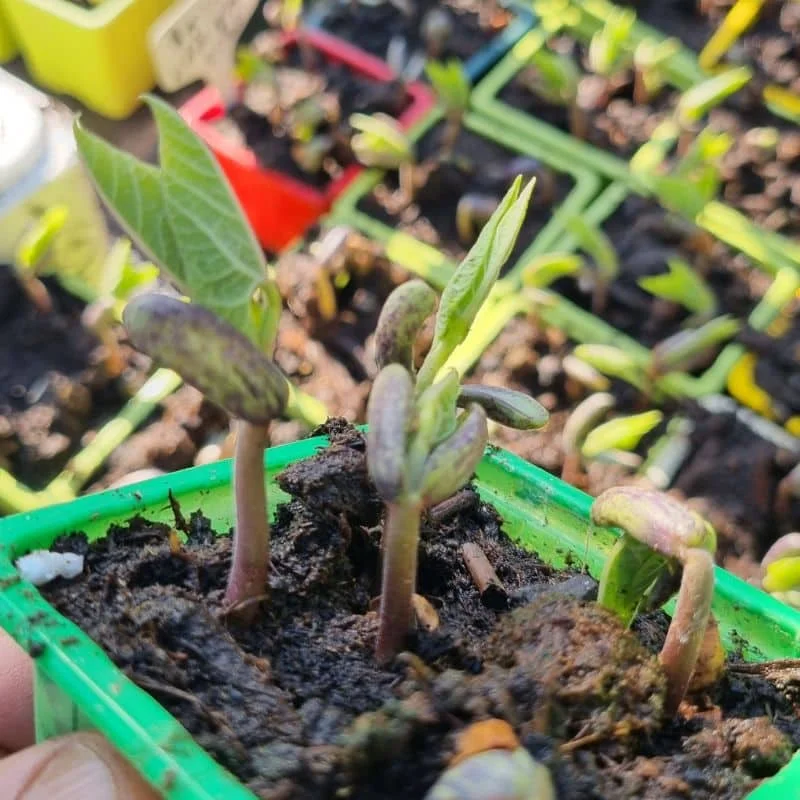
Beans can be sown in rows or clusters, with seeds buried to a maximum depth of 1 to 2 centimeters. An old saying goes, “the bean should see the gardener leave,” implying that seeds should not be planted too deeply!
Spacing depends on the variety, but it should allow for good air circulation and healthy plant development. In my case, I practice sowing in furrows, placing a seed every 2 to 3 centimeters. Some young shoots will emerge, and it is crucial to ensure they have enough room to grow without overcrowding.