
A Practical Guide to Bulb Propagation through Scaling
Learn how to economically propagate bulbs through scaling, a rewarding gardening technique that allows you to multiply your plants without purchasing new ones.
A Practical Guide to Bulb Propagation through Scaling
July 15, 2026
Expanding your garden through bulb propagation can be both economical and satisfying. By utilizing the technique known as scaling, you can transform a healthy bulb into multiple independent plants, eliminating the need to purchase new ones. This article provides a straightforward overview of which species are suitable for this method, the optimal timing for scaling, and step-by-step instructions to ensure robust bulbils. Whether you are a novice or an experienced gardener, you'll find practical advice tailored to your needs.
Which Types of Bulbs are Suitable for Scaling?
Scaly bulbs are the prime candidates for the scaling technique due to their layered structure resembling scales. Notable examples include Lilium, Narcissus, Hyacinthus, and various Allium species. These plants store nutrients in the form of scales, making it easier to generate bulbils from each scale.
Other underground structures often referred to as bulbs by gardeners, such as corms, rhizomes, and tubers, do not respond to scaling in the same way and require different propagation techniques. Understanding these distinctions is crucial for selecting the most effective method for each species.
The table below summarizes these differences and indicates whether scaling or division is recommended based on the type of organ and some common examples.
Type of Organ
| Examples | Suitable for Scaling | Common Method | | -------- | ------------------- | ------------- | | Scaly Bulb | Lily, Hyacinth, Daffodil | Yes | Scaling or Division | | Tunicate Bulb | Tulip | Rarely | Division of Bulbils | | Corm | Gladiolus, Ixia | No | Separation of New Corms | | Rhizome | Iris | No | Division into Sections | | Tubercle | Dahlia | No | Division of Tubers |
When to Scale Bulbs?
The ideal time to scale bulbs is after flowering, once the foliage has yellowed and dried. Late summer or early autumn marks the dormancy phase for the bulb, during which its reserves are concentrated in the underground organ. This timing ensures that the scaling process does not significantly weaken the mother plant.
Classic division by cutting is also performed during dormancy but can sometimes be done later depending on climatic conditions and the health of the bulb. Always assess the overall condition before intervening to choose the right moment and minimize the risk of infection.
How to Scale Bulbs Step by Step?
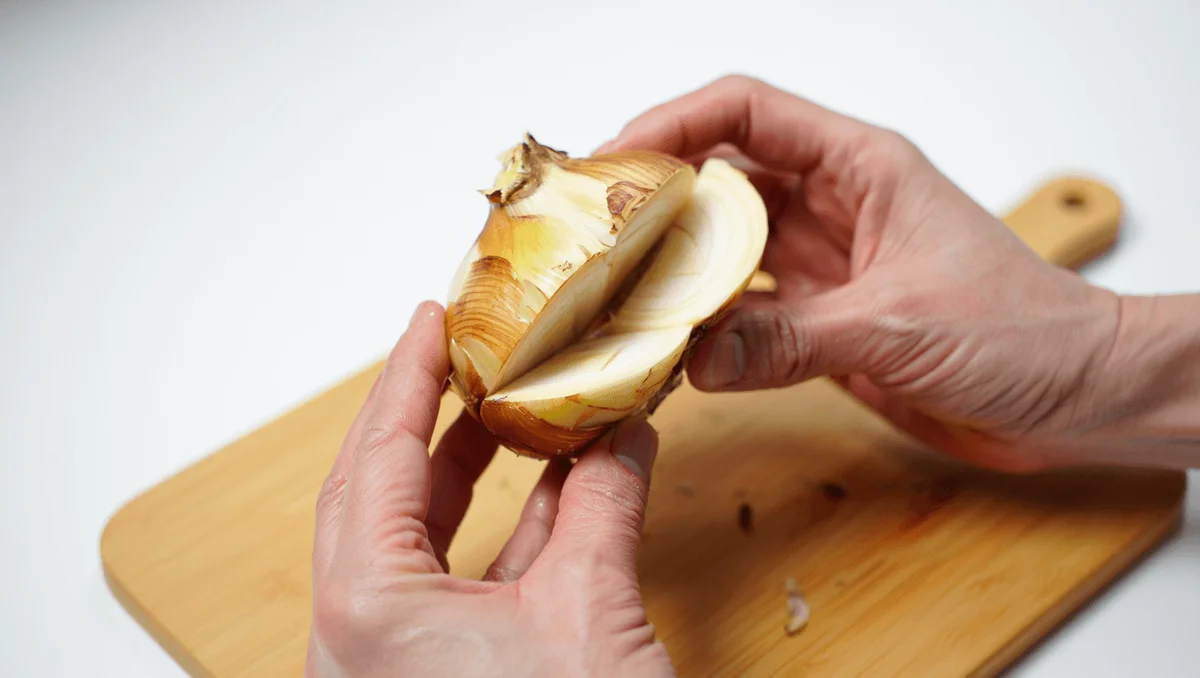
To begin, gently unearth the bulb once the aerial parts have wilted, carefully removing the soil without damaging the scales. Separate the scales at the base while leaving the central bulb mostly intact. Then, replant the "naked" bulb in its original spot to allow it to recover quickly.
Prepare a well-aerated and slightly moist substrate by mixing potting soil or compost with gravel or vermiculite. Arrange the scales on this mixture so they do not touch each other, then lightly close the plastic bag without vacuum-sealing it to maintain stable humidity. A small amount of powdered sulfur can be used to prevent fungal diseases, but avoid excessive application.
- Necessary Materials: clean knife, plastic bag, aerated substrate, gravel or vermiculite, sulfur (optional).
- Monitoring: check weekly for moisture levels and the absence of mold.
- Potting: transplant the scales when the bulbils reach about 5 mm in size.
How Long to Wait and What Happens to Each Scale After Scaling?
Patience is key when developing bulbils. Typically, the first small bulbils appear within five to eight weeks, depending on the warmth and humidity of the storage environment. Following this, they should be potted and given a cool environment to continue their growth.
Flowering does not occur immediately; it often takes several years before flowers emerge from scaled subjects. For some species, it can take up to five years, indicating that scaling is a medium-term strategy for enhancing your plant stock.
When to Choose Division by Cutting and How to Execute It?
Dividing a scale into quarters is advisable when you have a particularly healthy and large dormant bulb. After cleaning and drying, remove any damaged roots and outer layers, and trim the tip if necessary. Use a well-disinfected knife to avoid contamination.
Cut the bulb into approximately eight quarters, ensuring that the basal side remains facing down towards the substrate. Place these quarters on the same substrate used for scaling and monitor their progress. The formation of bulbils may take longer than with simple scaling, often between ten to twelve weeks.
This technique allows for the rapid multiplication of valuable subjects while minimizing the number of weakened plants. If you wish to produce multiple subjects from an exceptional bulb, division by cutting remains an effective and manageable method.