Understanding the Differences Between CBD Resin and CBD Flowers
Explore the differences between CBD resin and flowers, including their origins, concentrations, sensory characteristics, and methods of consumption to find the right product for you.
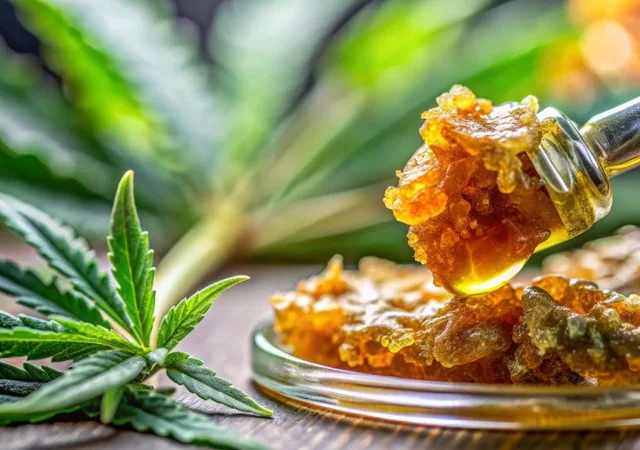
In the realm of cannabidiol, two prominent formats stand out: dried hemp buds and concentrated extracts from the same plant. Although both originate from cannabis, they exhibit distinct characteristics that can significantly impact your experience. Variations in active substance content, production methods, and even budget considerations set these two formats apart.
Grasping these differences will help you select the product that best aligns with your expectations and lifestyle.
Key Differences Between CBD Resin and CBD Flowers
The contrasts between these two legal hemp forms touch on several fundamental aspects. Origin, active ingredient concentration, and sensory characteristics are the primary elements that differentiate them.
Origin and Product Forms
CBD flowers are the flowering tops harvested directly from female cannabis sativa plants. This results in a raw product that is simply dried and trimmed to remove excess leaves. The buds maintain their natural plant structure, providing the authenticity sought by many consumers.
On the other hand, CBD resin, also known as hash or pollen, is produced through a targeted extraction process. Producers collect only the trichomes, the tiny resinous glands on the flower's surface. These trichomes are then compressed to form dense blocks, creating a concentrate that is significantly denser than the original raw material.
Concentration of CBD and Cannabinoids
A major distinction lies in the potency of the final product. CBD flowers typically have a cannabidiol content ranging from 5% to 25%, with an average observed between 8% and 22%. This variation largely depends on the cultivated strain and production conditions.
In contrast, resins like High Society CBD resin can reach concentrations between 25% and 60% of CBD. Premium products often fall within the 30% to 40% range. This high concentration is due to the extraction of only the cannabinoid-rich parts.
Texture, Appearance, and Aromas
Visually, the flowers are identifiable by their compact green buds, dotted with shiny crystalline trichomes. You will also notice colorful pistils, often orange or purple depending on the strain. The texture remains spongy and relatively light to the touch.
Resins, however, have a completely different appearance: they come in compact blocks that range in color from light beige to dark brown. The consistency may be sticky or crumbly, depending on the extraction method used. The aromas are more intense and earthy, while the flowers provide a wider variety of olfactory profiles, from citrus notes to pine or fruity scents.
Chemical Composition and CBD Levels
Beyond cannabidiol, both formats contain a spectrum of active compounds. Terpenes play a significant role in the entourage effect, where different molecules work synergistically. Flowers boast a natural and varied terpene profile, while resins concentrate these aromatic compounds, enhancing their olfactory potency.
Minor cannabinoids such as CBG and CBN are also present in both products. French legislation strictly mandates that THC levels remain below 0.3% to ensure the absence of psychoactive effects. Laboratory analyses routinely verify the absence of pesticides and heavy metals, confirming compliance with this legal threshold.
| Component | CBD Flowers | CBD Resin | |-------------------|-------------|------------| | CBD | 5-25% | 25-60% | | THC | < 0.3% | < 0.3% | | Terpenes | Varied natural profile | Highly concentrated | | Minor Cannabinoids | Present CBG, CBN | Concentrated CBG, CBN |
Production and Manufacturing Methods
The manufacturing processes for these products differ significantly. For flowers, cultivation is the initial step, whether indoors, outdoors, or in greenhouses. Each method influences the final quality and aromatic profile.
Once the plants mature, growers harvest the flowering tops and dry them under controlled conditions. The final trimming removes excess leaves to retain only quality buds. Many producers favor organic cultivation, free from GMOs and pesticides.
Producing resin requires specific extraction techniques:
- Dry sieving involves shaking the flowers over a fine sieve to collect fallen trichomes.
- The ice-o-lator method uses ice water and successive filters to isolate the resin glands.
- Mechanical pressing applies heat and pressure to the collected pollen to form cohesive blocks.
Each technique affects the final texture and color of the product. Resins obtained through ice water retain more terpenes than those made by hot pressing.
Consumption Methods for Each Product
Both formats offer interesting usage flexibility. However, certain consumption methods are better suited to one or the other, depending on your preferences and goals.
Vaporization and Recommended Temperatures
Vaporization is the preferred method for preserving terpenes and minimizing health risks. You should set your device between 160°C and 210°C for optimal cannabinoid extraction without combustion. This range helps avoid toxin production while effectively releasing active compounds.
Flowers can be placed directly into the vaporizer's chamber after a light crumble. Resins may need to be crumbled or mixed with a neutral carrier to ensure even heating.
Infusion and Culinary Preparations
Infusion is a gentle and sustainable alternative. Since cannabinoids are liposoluble, you must add a fat source (whole milk, butter, coconut oil) to your preparation. The recommended infusion time is between 10 to 20 minutes over low heat.
In cooking, you can incorporate these products into various sweet or savory recipes. The main advantage lies in the long-lasting effects, which manifest gradually after digestion. This method also avoids any inhalation.
Dosage and Quantities to Use
The difference in concentration necessitates adjusting your doses. For flowers, a quantity of about 0.5 to 1 gram is suitable for a session. With resin, a portion the size of a grain of rice is usually sufficient due to its high potency.
If you're a beginner, start with small amounts (equivalent to 5-10 mg of CBD) to assess your tolerance. You can then gradually adjust based on your experiences. This cautious approach helps avoid the discomfort associated with overdosing, even though cannabidiol is not toxic.
Desired Effects and Benefits
Both products aim for similar wellness goals. However, the potency and speed of action differ significantly between formats.
Relaxing Effects and Well-Being
Users primarily report a sensation of physical and mental relaxation. Cannabidiol interacts with the endocannabinoid system to promote calmness without altering consciousness. You may notice a reduction in daily stress and an improvement in anxiety management.
Many individuals also appreciate the sleep aid provided by these products, facilitating falling asleep and enhancing nighttime rest quality. Potential pain-relieving properties attract those seeking natural alternatives for managing physical discomfort.
Intensity and Speed of Action
Resin typically acts more quickly and intensely than flowers. This difference is attributed to the high concentration of active ingredients. Sensations often manifest within minutes when vaporizing resin, while flowers may take slightly longer.
The increased intensity of resin is suitable for individuals seeking marked effects or those who have developed a certain tolerance. Conversely, flowers offer a softer, more gradual experience, favored by those new to cannabidiol.
Indica and Sativa Varieties
The distinction between strains significantly influences your experience. Indica strains generally produce more sedative and relaxing effects, promoting muscle relaxation and sleep. They are particularly suitable for times of rest.
Sativa strains tend to provide more energizing and stimulating sensations. You may prefer them during the day to maintain vitality while benefiting from the calming properties of cannabidiol. This classification applies to both flowers and resins, depending on the source plant used for extraction.
Cost-Effectiveness and Value
The financial aspect is a crucial criterion for many users. Per gram, flowers typically range from 3 to 11.30 euros, depending on quality and cultivation method. Resins are priced between 1.92 and 8 euros per gram.
While resin may seem more affordable at purchase, its true cost-effectiveness is measured by usage. You will consume significantly less resin to achieve effects comparable to flowers. Often, a quantity three times smaller suffices due to the higher concentration. In the long run, resin is therefore more economical despite a per-gram price that may be comparable.
The following table illustrates this comparative cost-effectiveness:
| Criterion | Flowers | Resin | |---------------------------|------------------|------------------| | Average Price per Gram | 3-11.30 € | 1.92-8 € | | Quantity Needed per Session | 0.5-1 g | 0.15-0.30 g | | Sessions per Gram | 1-2 | 3-6 | | Overall Cost-Effectiveness | Moderate | High |
How to Choose Between Resin and Flowers Based on Your Profile
Your choice will depend on several personal factors. If you are new to the world of cannabidiol, flowers provide a gradual and less intimidating introduction. Their moderate concentration makes dosing easier and limits the risk of overconsumption.
The variety of flavors and aromas also allows you to explore different terpene profiles to identify your preferences. Resin is more suitable for experienced users or those seeking a powerful and rapid action. Its discreet nature is an advantage: the smaller volume required facilitates transport and storage.
Individuals who have developed a tolerance for cannabidiol will appreciate the high concentration that yields pronounced sensations. Several elements deserve your attention when purchasing:
- Check analysis certificates confirming compliance with the legal THC limit and the absence of contaminants.
- Prefer products from certified European cultivations.
- Examine the appearance: flowers should show visible trichomes, while resins should have a homogeneous texture.
- Inquire about the cultivation (organic, pesticide-free) or extraction methods used.
Remember that it remains illegal to drive after consumption, even if the products comply with legislation. Traces of THC can still be detectable during roadside checks. Consult a healthcare professional before integrating cannabidiol into your routine, especially if you are undergoing treatment.