Tulips: Planting and Care Tips
Explore our tips for planting and caring for tulips. Learn when and where to plant, how to water and fertilize, and how to make your bulbs bloom again!
Planting Tulips: Our Tips
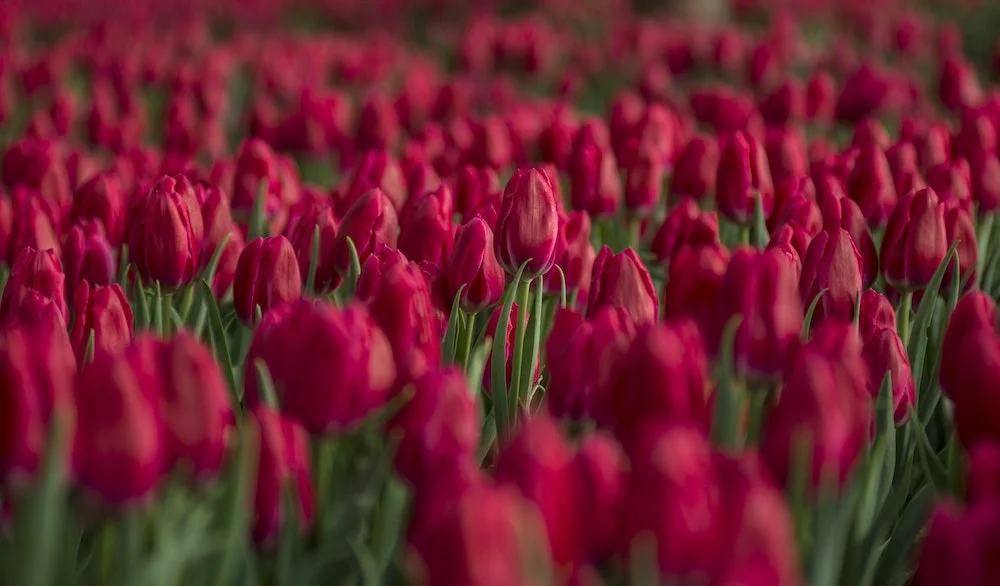
Tulips are a beloved flower, known for their vibrant colors and elegant shapes, making them a staple in gardens across the globe. Belonging to the lily family, there are around 120 different species of tulips, offering a rich variety of forms and hues that can brighten up any garden, terrace, or balcony. Whether they are single-colored, bi-colored, or even tri-colored, tulips bring joy to our gardens in the spring. Their colorful display, ease of care, and accessibility contribute to their popularity.
If you're curious about how to plant tulips, here are some essential tips for successfully planting bulbs and maintaining your tulips.
When to Plant Tulips
Tulip bulbs should be planted between October and December. They fall under the category of autumn bulbs and should be planted before the first frost of winter. For optimal rooting and to enjoy blooms as early as March, it's best to plant them as soon as possible.
Tips for Planting Your Bulbs
To enjoy a garden filled with tulips for several months, consider starting your planting in early October and continuing every two weeks. This staggered approach allows for a prolonged blooming period.
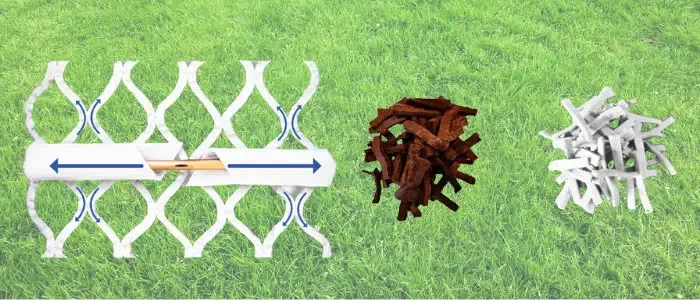
In areas with harsh winters, it's advisable to protect your tulips with a winter cover if long periods of frost are expected. Additionally, if you have issues with rodents in your garden, consider using wire mesh or plastic netting to safeguard your bulbs.
Preparing the soil is crucial for strong bulb rooting and quality blooms. Tulips thrive in loose, well-drained soil, so it's important to break up clumps and remove stones, roots, and weeds. This will create a fine, light soil that enhances drainage. If your soil is heavy or clay-like, adding sand can help improve its texture.
Plant the tulip bulbs with the pointed end facing up in a hole that is 10 to 15 cm deep. For most varieties, the bulbs should be planted at a depth three times their height and spaced about 10 cm apart, ensuring they are protected from frost. A bulb planter can be a handy tool for this task.
It's also beneficial to place a handful of potting soil in the planting hole to promote growth and flowering. After placing the bulbs, cover them with potting soil and water moderately.
For those in colder regions, mulching the area can provide additional protection for the bulbs.
Where to Plant Tulips
Tulips prefer to grow in a sunny to partially shaded location with light, well-drained soil. Make sure to prepare the site adequately, as each bulb should be spaced 10 to 15 cm apart and can produce one or more flowers. Plan accordingly to allow enough space for growth.
Tulips in Pots
Tulips adapt well to container and window box gardening. Before planting your bulbs in a pot, ensure it has drainage holes to allow excess water to escape during watering. Without proper drainage, the bulbs may rot. To enhance drainage, place clay balls or gravel at the bottom of the pot.
Next, add universal or bulb-specific potting soil. Plant the bulbs with the pointed ends facing up, covering them with about 10 cm of soil.
Tulips require minimal maintenance and are quite resilient against diseases and pests. Once planted, they typically bloom in early spring without requiring much attention. These flowers are closely related to wild species known for their robustness and ease of cultivation.
Watering
Tulips need very little watering; they generally rely on autumn and winter rains. However, depending on the region, season, and growth stage of your tulips, more frequent and heavier watering may be necessary. This varies with the weather conditions.
For potted tulips, it is crucial not to overwater the bulbs. Wait until the water has been absorbed before watering again. Always check that your pot has drainage holes and that the soil allows for good drainage to prevent water stagnation, which can cause bulb rot.
Watering Tips
To encourage your tulips to bloom again in subsequent years, it is advisable to reduce watering after flowering.
Avoid using the spout of your watering can to prevent wetting the tulip petals.
This advice applies not only to tulips but also to gardening in general: always check the weather forecast to avoid overwatering.
Fertilization
Applying fertilizer can enhance the growth and flowering of your tulips, especially if your soil lacks organic matter. It is recommended to plan for three applications: at planting, when the stem is visible, and at the end of flowering.
Use fertilizers specifically formulated for bulbs, as they are rich in phosphorus and potassium.
Encouraging Tulips to Bloom Again
The importance of caring for tulips after they fade is often underestimated. This is the time when they store nutrients for the next season's blooms.
To ensure they bloom again, the process is straightforward. Once the flowers have wilted, wait until the leaves and stems turn yellow and dry before cutting them off. Be cautious not to cut them too early, as this could hinder their ability to bloom in the following spring. The foliage is essential for the bulbs to regenerate their nutrient reserves.
Tips for Purchasing Tulips
At the beginning of autumn, tulip bulbs will start appearing in garden centers and retail stores. However, the quality of bulbs can vary significantly. Here are some tips to ensure you choose the best ones.
Regardless of where you buy your tulips—be it in-store, online, or via mail—it's advisable to purchase from reputable sellers.
If you have the option to select your bulbs, choose those that are firm and show minimal defects (such as spots or cuts).
After purchasing, it is recommended to plant your bulbs as soon as possible. Tulips and bulbs, in general, are not meant to be left out of the soil for long periods.