Trees and Mosquitoes: A Comprehensive Guide to Protecting Your Garden
Explore effective strategies for reducing mosquitoes in your garden by understanding tree-related risks and implementing practical solutions.
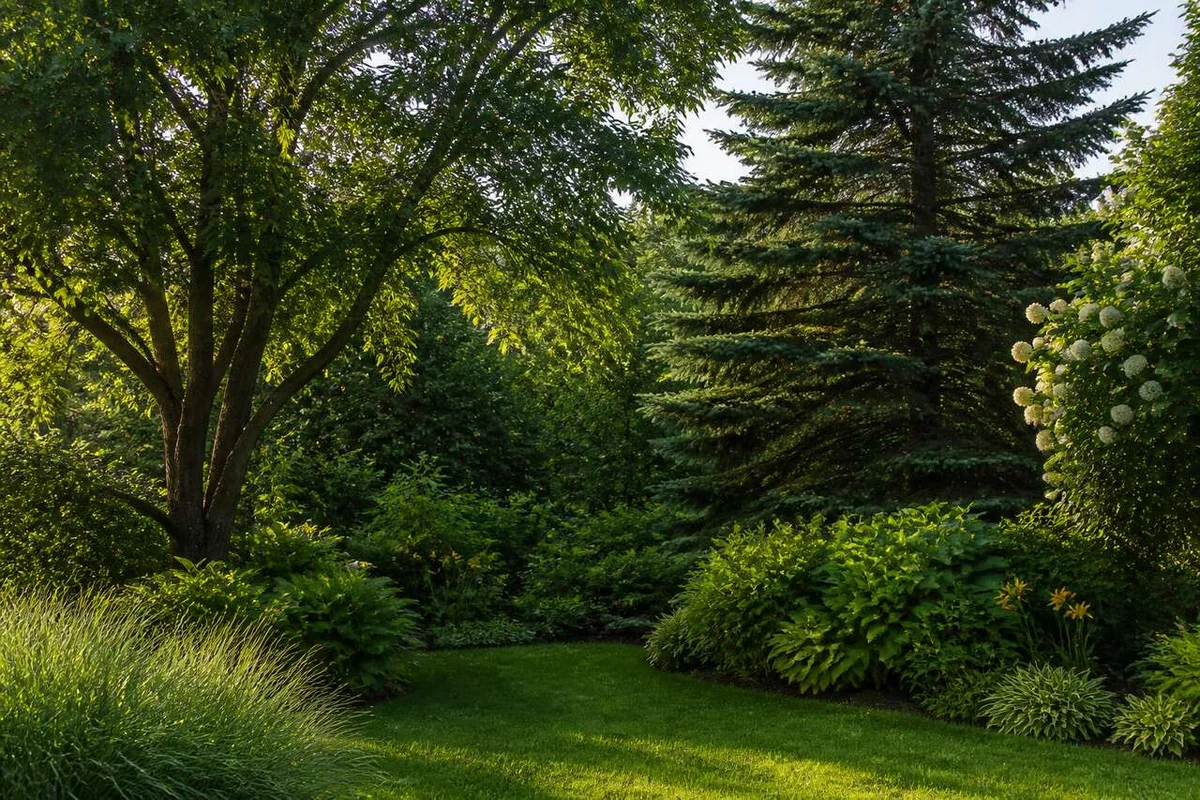
A shaded garden, a forgotten saucer under a pot, and clogged gutters create the perfect breeding ground for mosquitoes, often more so than the presence of any specific tree. Understanding why certain areas of your garden become hotspots for these pests allows for effective action without resorting to the misconception that particular tree species attract them. The key is to identify conditions that encourage mosquito habitation near your home and implement simple, sustainable practices to reduce bites, rather than relying on a single miraculous plant.
Key Takeaways
- Mosquitoes are not drawn to a specific tree species but rather to the moisture, stagnant shade, and water that trees can create around them.
- Honeydew produced by aphids on certain trees creates sticky, humid areas that enhance the site’s attractiveness to various insects.
- No tree or plant completely repels mosquitoes; scents like citronella, lavender, or catnip offer only localized and temporary effects.
- Vigilance is crucial regarding stagnant water, even in small amounts, which is particularly favored by the tiger mosquito for laying eggs.
- A combined action plan that includes eliminating standing water, pruning, promoting air circulation, and using targeted repellents remains the most effective strategy.
Why Trees Can Foster Mosquitoes Without Attracting Them Directly
Mosquitoes do not perceive trees as food sources or specific chemical magnets. Instead, they are guided to particular spots in the garden by a combination of signals: CO2 exhaled, body heat, sweat, and certain human odors. Trees play an indirect role by altering local conditions: they create shade, slow air circulation, and sometimes retain moisture in the soil. These combined effects can transform a simple lawn into a comfortable refuge for female mosquitoes seeking a cool resting place between blood meals.
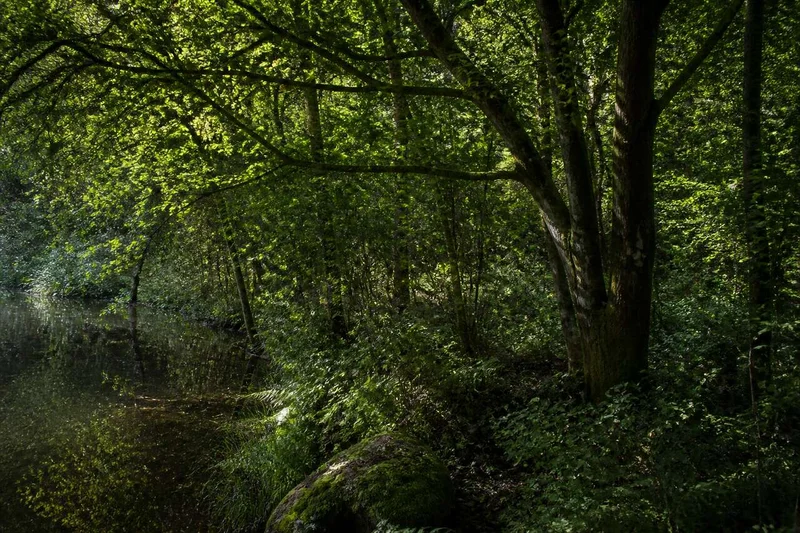
Female mosquitoes require stagnant water to lay their eggs, whether in a wetland, slow-moving river, or abandoned swimming pool. An isolated tree in a dry, ventilated terrace poses no particular risk. However, the same tree planted in a shady corner near a clogged gutter or excessive watering changes the situation entirely. The determining factor is not the botanical species but the microclimate it helps create locally.
This distinction shifts the approach to the problem: instead of seeking to identify an "avoided tree" or a "magical tree," it becomes more relevant to observe the concrete conditions of the garden. The main attraction factors associated with trees should be examined one by one to establish a precise diagnosis.
Key Attraction Factors Related to Trees: Water, Dense Shade, Honeydew, and Ground Vegetation
Stagnant Water: The Primary Risk Factor
Water sources remain the number one element to monitor. Under a tree, several sources of stagnant water can appear unnoticed: a forgotten pot saucer, a dip in a low branch, a fold in a winter protection tarp, or a nearby gutter that overflows after each rain. The tiger mosquito, particularly discreet, requires only a few milliliters of water to breed; sometimes, a bottle cap suffices. Under a tree with dense foliage, this water takes longer to evaporate, prolonging the breeding window.
Dense Shade and Lack of Ventilation
Thick, low foliage restricts air circulation at ground level. This lack of garden ventilation maintains ambient humidity, which is favorable for adult mosquitoes seeking cool areas during the hot hours of the day. Trees with low, compact canopies, trimmed into balls or tight hedges, exacerbate this effect compared to trees pruned high enough to allow air to circulate beneath their crowns.
Honeydew: An Indirect Attraction Source
Certain trees host colonies of aphids that secrete honeydew, a sticky, sweet liquid. This honeydew drips onto lower leaves and the ground, attracting other insects and maintaining a damp, sugary surface. While this phenomenon does not directly concern adult mosquitoes, who feed on nectar for energy rather than blood at this stage, it contributes to the density of local insect life and retains surface moisture favorable for midge and sometimes mosquito larvae in nearby crevices.
Ground Vegetation as a Moisture Relay
A dense layer of vegetation beneath a tree, including tall grasses, accumulated dead leaves, or overly thick mulch, acts like a sponge that retains rainwater or irrigation longer. Trees with broad, flat leaves particularly excel at retaining moisture on the ground, promoting mold and fungi, visible signs of overly damp terrain. These indicators, easily spotted at a glance, help direct diagnostics toward actual garden conditions rather than a theoretical list of species to avoid.
Trees and Situations Often Associated with More Mosquitoes: Real Observations in the Garden
Risk Scenarios Rather than Alarmist Lists
Instead of pinpointing a specific tree, it is more accurate to describe recurring situations. A fig tree planted too close to a shaded terrace, with fallen, fermenting fruit on the ground retaining moisture, creates a favorable environment. A poorly pruned olive tree, with dense foliage that blocks air circulation beneath its canopy, can produce the same effect, irrespective of the species itself. It is the conditions of watering, shade, and ventilation that determine the real impact, far more than the botanical identity of the tree.
The Role of Flowering Trees and Nectar
Flowering trees such as magnolia, jasmine, lilac, or rose provide sources of nectar and pollen appreciated by mosquitoes, who feed on them outside of reproduction periods. This does not make them more "dangerous" but explains an increased presence of flying insects around these flowering clusters, particularly at dusk.
Dense Hedges and Decorative Water Points
Dense hedge plantings, often used to delineate a property, significantly reduce natural garden ventilation. When combined with a poorly maintained pond, fountain, or ornamental water feature nearby, they multiply the number of cool resting areas and potential breeding sites. This combination of factors explains why two gardens with the same tree species can exhibit very different nuisance levels based on their overall layout.
This scenario-based observation logically leads to questioning which trees should be avoided near the home, not just for their species alone but for the overall constraints they impose on a daily basis.
Which Trees to Avoid Close to the House: Mosquitoes, Roots, Allergies, and Maintenance
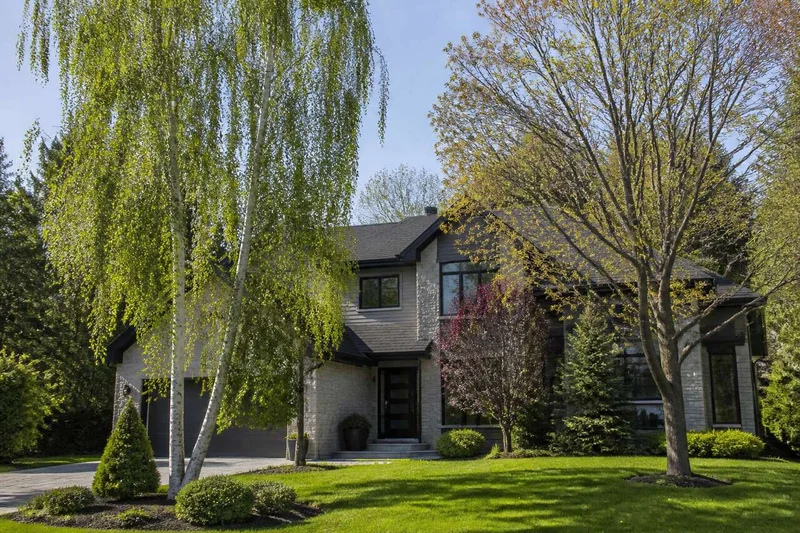
Choosing a tree near a dwelling involves multiple cumulative criteria: the density of shade produced, the amount of plant debris generated, the robustness of the root system, honeydew production, and water needs. Here are six types of trees to consider with caution near a home, depending on the regions and local context.
- Softwood trees: maples, birches, and linden trees readily attract aphids and honeydew, which maintain sticky, humid areas on the ground.
- Trees with broad, flat leaves: poplar and willow retain moisture on their fallen leaves, promoting mold and persistent cool areas.
- Trees with aggressive roots: some poplars and willows develop shallow roots capable of damaging foundations and plumbing, sometimes causing underground water infiltration.
- Trees with very dense and low canopies: they block natural ventilation and prolong residual moisture after each rain or watering.
- Trees generating a high volume of debris: species that produce many fallen fruits or thick leaves in the fall require regular maintenance to prevent moisture accumulation on the ground.
- Trees requiring frequent watering: water-hungry species necessitate regular inputs, increasing the risk of puddles and overwatering around the base of the tree.
Conversely, species like ash or beech are considered less attractive, particularly because they possess fewer hollows or cracks likely to retain water. Trees with thick leaves, such as oak, beech, or elm, also limit the formation of persistent shaded and damp areas. This observation raises a natural question: is there, conversely, a tree capable of repelling mosquitoes solely through its foliage?
Is There a Tree That Repels Mosquitoes? What Scents and the Limits of Plant-Based Repellents Indicate
The Local Repellent Effect of Aromatic Foliage
Certain species emit aromatic compounds when their leaves are crushed or during hot weather, which temporarily disrupt mosquito orientation. Eucalyptus is among the most cited species: its leaves naturally repel mosquitoes and other unwanted insects due to its volatile essential oils. The tea tree, reaching between 4 and 7 meters at maturity, also produces active principles when its needle-like leaves are distilled, recognized for their anti-infective and anti-inflammatory properties, far more than for a direct mass repellent effect.
The Real Limits of These Effects
None of these trees create a sealed barrier around a garden. Effectiveness depends on the concentration of the odor released into the air, which varies greatly with wind, temperature, and ambient humidity. An isolated olive or eucalyptus tree, several meters from a terrace, will have negligible effects if stagnant water persists nearby. The presence of stagnant water virtually nullifies any olfactory benefit, as mosquitoes will continue to find favorable breeding sites despite surrounding odors.
As for the most disliked scent by mosquitoes, several compounds frequently arise in studies: citronellal and citronellol, found in citronella, as well as the active principles of catnip, which a study from the early 2010s deemed more effective than DEET, the reference chemical in traditional insecticides. These results pertain to controlled tests, not a guarantee of total outdoor protection. This distinction between trees and more modest plants, which may sometimes be more effective, deserves further exploration.
Companion Plants and Scents Reputed to Be Anti-Mosquito: Which to Choose and How to Use Them
Five Plants to Favor Around High-Traffic Areas
- Lavender: recognized as a natural mosquito repellent, also usable in infusions; to be planted in pots near terrace access points.
- Citronella (Cymbopogon nardus): effective in repelling mosquitoes; often used in candles and oils.
- Catnip: known for its strong scent that mosquitoes dislike; can be planted in borders or pots.
- Marigolds: their scent is said to deter mosquitoes and other pests, making them a popular choice for garden borders.
- Basil: not only a culinary herb but also reputed to repel mosquitoes when planted around outdoor seating areas.