
The Hidden Heat of Houseplants: What You Need to Know 🌿
Explore how certain indoor plants can unexpectedly raise your home's temperature and discover strategies to manage their effects while maintaining a comfortable living environment.
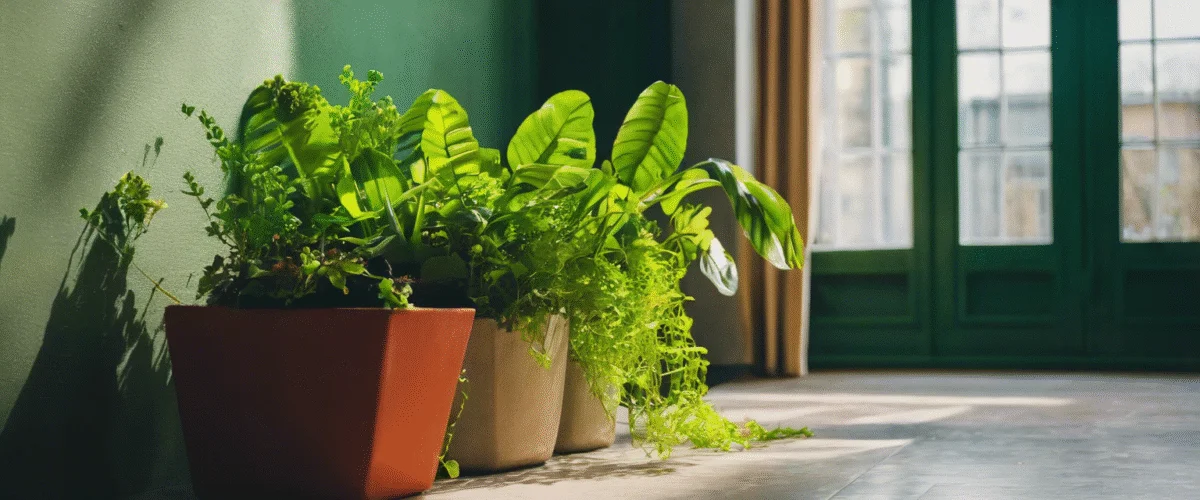
In the vibrant world of indoor gardening, certain plants serve a purpose beyond mere aesthetics. One such popular species, known for its resilience and beauty, may have a surprising effect: it can raise the ambient temperature of your home. This lesser-known botanical phenomenon has drawn the attention of experts, prompting us to explore the characteristics of these plants that can literally turn your sanctuary into a makeshift sauna.
Understanding the Thermal Effect of Plants in Our Homes
It’s common to view plants solely as decorative elements or air purifiers. However, there’s an overlooked aspect of their impact: some plants can influence a room's temperature. How does this occur? It all begins with the way plants interact with their surrounding environment.
Photosynthesis, the fascinating process by which plants convert light into energy, plays a crucial role here. During the day, they absorb carbon dioxide and release oxygen while capturing heat to fuel their metabolism. However, at night, certain plants release this stored heat, contributing to an increase in indoor temperature. This ability to store and release solar energy can intensify the greenhouse effect within a closed space.
Plants Most Likely to Increase Temperature
A detailed study has identified several plants that contribute to this thermal phenomenon. For instance:
- Ficus elastica (rubber plant): Commonly found in living rooms, it has an impressive capacity to absorb heat.
- Monstera deliciosa: Also known as the Swiss cheese plant, it is favored for its large perforated leaves.
- Areca palm: Frequently seen in catalogs from stores like Maisons du Monde or IKEA, this indoor palm is a notable heat accumulator.
It’s essential to consider the impact of these plants, especially in small, poorly ventilated homes, where the heat effect can quickly become uncomfortable. If you have these plants at home, it may be wise to reassess their placement to maximize your living space's thermal comfort.
Managing the Unwanted Heat from Plants
In an era where every degree matters, particularly in reducing our energy footprint, plants can be both an asset and a drawback. As previously mentioned, some plants can increase ambient temperature. However, there are strategies to minimize this undesirable effect while still enjoying the beauty of your plants.
First, consider the placement of your plants. Positioning a Ficus or Monstera near a sunlit window would enhance their thermal effect. Instead, place them away from heat sources. Stores like Leroy Merlin and Castorama offer stands and shelves that can help you strategically reorganize your green spaces.
Tips for Optimizing Plant Effects
- Ventilation: Ensure air circulates freely in the room. Opening windows or using fans can counteract heat buildup.
- Humidity: While plants raise temperatures, they can also help regulate humidity. Use humidifiers, available at Conforama, to balance the indoor microclimate.
- Natural Light Filtering: Utilize light curtains or sheers to filter sunlight without blocking natural light.
Many resources provide solutions for better managing plants that increase heat. For detailed advice, explore this article.
With these tips, it becomes possible not only to keep your favorite plants but also to create a harmonious and comfortable living space.
Plant Alternatives for a Cooler Interior
The solution isn’t always to remove a heat-inducing plant; often, it’s about complementing it with other species that can cool your living space, thereby creating a pleasant climatic balance.
It’s crucial to know which plants promote coolness rather than heat. Among the favorites found in garden centers like Truffaut and Nature & Découvertes are:
- Boston fern: Suited for humid rooms, it absorbs heat and is often used in bathrooms.
- Aloe vera: Besides being great for sunburns, it helps keep the ambient air cool.
- Ivy: This climbing plant is not only an air purifier but also helps moderate ambient temperature.
For a comprehensive guide on using plants to cool your interior, visit here.
| Plant | Main Effect | Ideal Location | |----------------------|------------------|-------------------| | Boston fern | Cooling | Bathroom | | Aloe vera | Purifying & Cooling | Sunny bedrooms | | Ivy | Temperature Control | Living room or office |
The Ingenuity of Natural Solutions
To fully leverage these benefits, consider combining these plants in various rooms of your home. This approach allows you to enjoy the living beauty of nature while also achieving a pleasant cooling comfort. Moreover, mixing different species creates a soothing and well-regulated biotope.
Welcoming these plants into your home could be the ideal solution to counter rising temperatures without resorting to air conditioning. Embracing these natural solutions offers impressive ecological benefits, aligning perfectly with sustainable practices.
The Hidden Role of Decor Stores in the Heat Battle
While dressing windows with thermal curtains or painting walls in cool hues is a well-known strategy, the importance of decor stores in this realm is growing. IKEA, Maisons du Monde, and BHV are not just places to find furniture; they have become allies in creating a pleasant and cool interior.
For instance, adding natural fiber rugs, available at Alinéa, can help mitigate heat from the floor. Incorporating mirrors, in addition to visually expanding a space, also helps diffuse light, reducing hot spots in a room. Similarly, investing in thermal sheers, available at stores like Conforama and Maisons du Monde, can help control heat while preserving natural light.
Recommended Decor Products
To optimize your interior against heat, consider the following products:
- Decorative mirrors: To amplify natural light without additional heating.
- Thermal curtains and sheers: Effective for maintaining coolness.
- Natural fiber rugs: They create a soft thermal barrier and absorb excess heat.
The variety and effectiveness of these products are often highlighted in advice from decor experts. For more information, consult articles on plant decor solutions.
In conclusion, it’s vital to fully utilize available resources to create a comfortable home environment in the face of climatic challenges. Stores, far from being mere retail points, are essential guides for navigating climate fluctuations with ease.
Towards a Harmonious Interior Balancing Temperature and Aesthetics
Limiting the thermal impact of plants in our homes doesn’t mean simply eliminating them. Instead, it involves understanding and rearranging our environments to enjoy both their beauty and health benefits while avoiding the potential discomfort of overheating.
With the numerous alternatives provided by nature and the smart furnishings offered by brands like BHV or IKEA, every living space can become a thermal comfort oasis. By examining and adapting the placement of your plants, you can not only mitigate thermal impact but also create an interior that is enjoyable year-round.
Recommendations for a Balanced Interior
- Needs Assessment: Identify hot spots where adding or relocating a plant could balance the environment.
- Plant Combination: Pair heat-producing species with those that cool to balance effects.
- Thermal Control Equipment: Integrate thermo-regulating furniture and textiles into your space.
By cultivating a thoughtfully designed indoor garden, you can reap both aesthetic benefits and invaluable climate comfort. Visit specialized sites for further tips, like here.
As we enter 2025, the opportunity to adapt our interiors to these new realities lies in our hands. The combined strategies of thoughtful vegetation and reimagined living spaces promise to enhance our interactions with our habitats for the better.