The Garden: A Lifelong Passion for Over 35 Years
A reflection on the joys and lessons of gardening, emphasizing its significance beyond just producing food, and encouraging participation in sustainable practices.
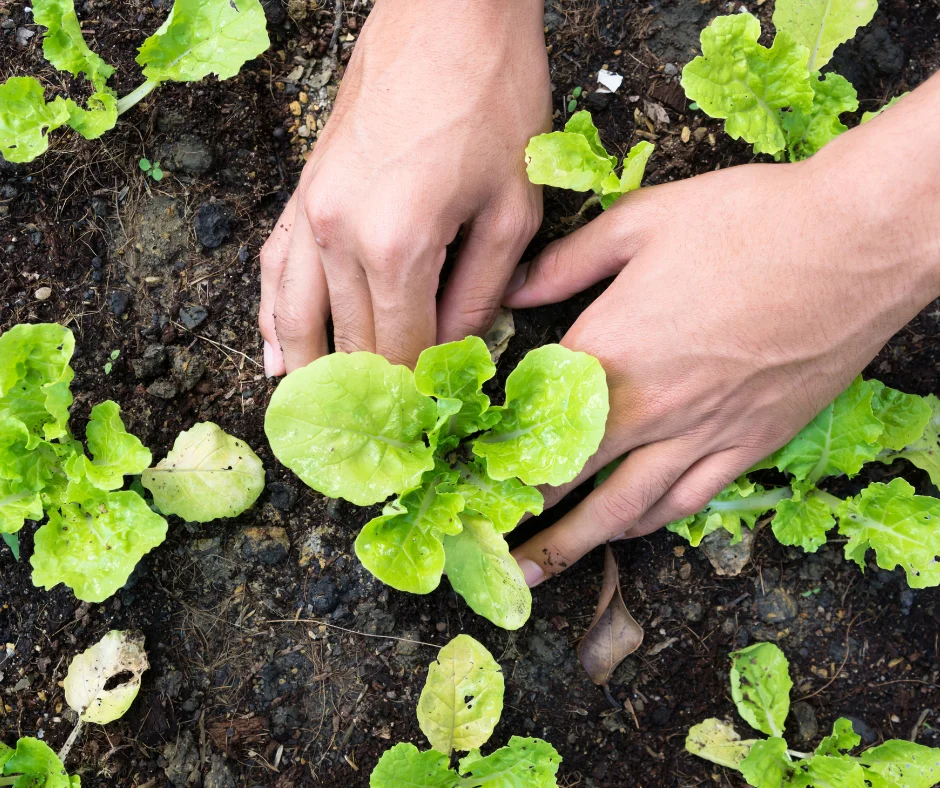
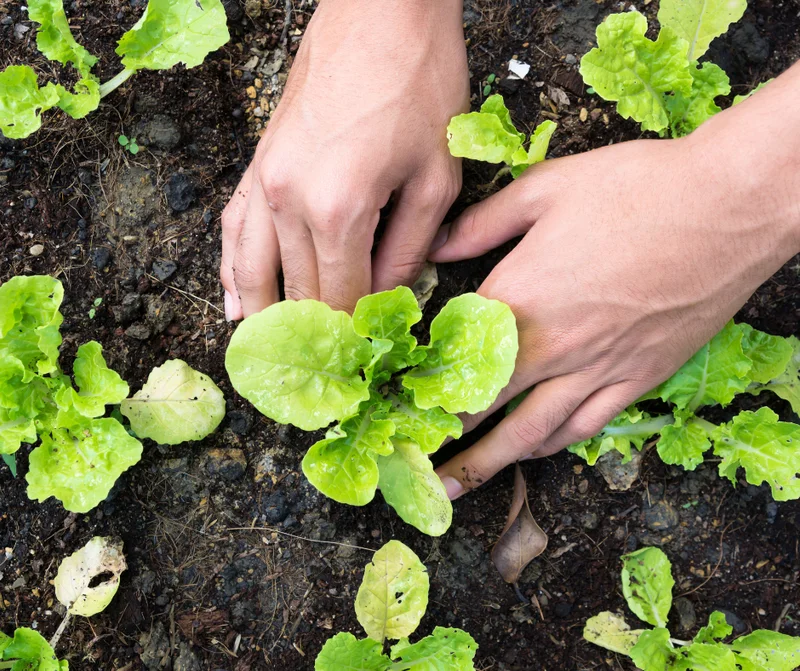
Returning home yesterday left me feeling truly exhausted. My back ached, my hands were dirty, and I bore the physical signs of having spent several hours in the garden. Yet, this fatigue was a satisfying one, the kind that fills you with a sense of accomplishment.
I had just planted my garden, and for me, the garden is not just an ordinary hobby. It has been my first great passion, one that requires no explanation because it has been a part of me for so long. For over 35 years, I have never missed a single year of gardening. Regardless of the circumstances—be it more or less space, or varying amounts of time—there has always been at least one plant in the ground.
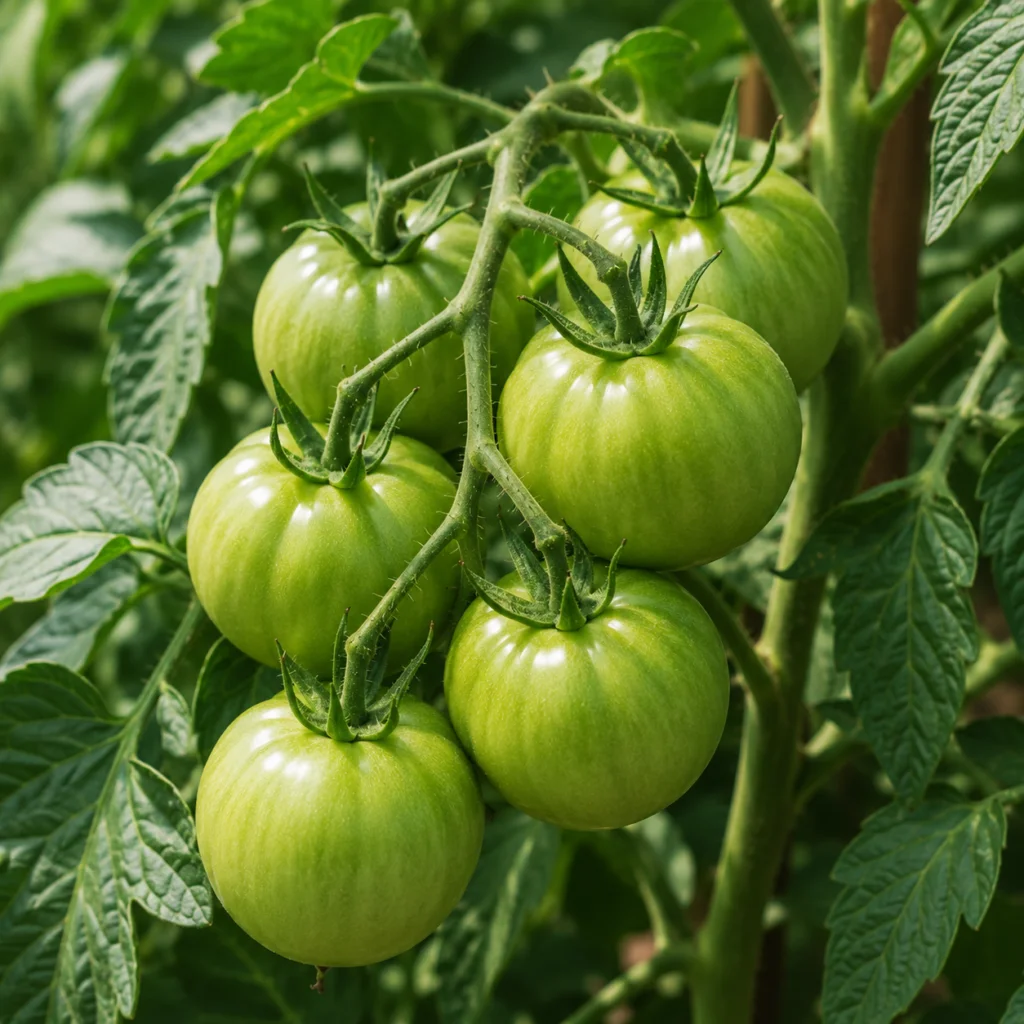
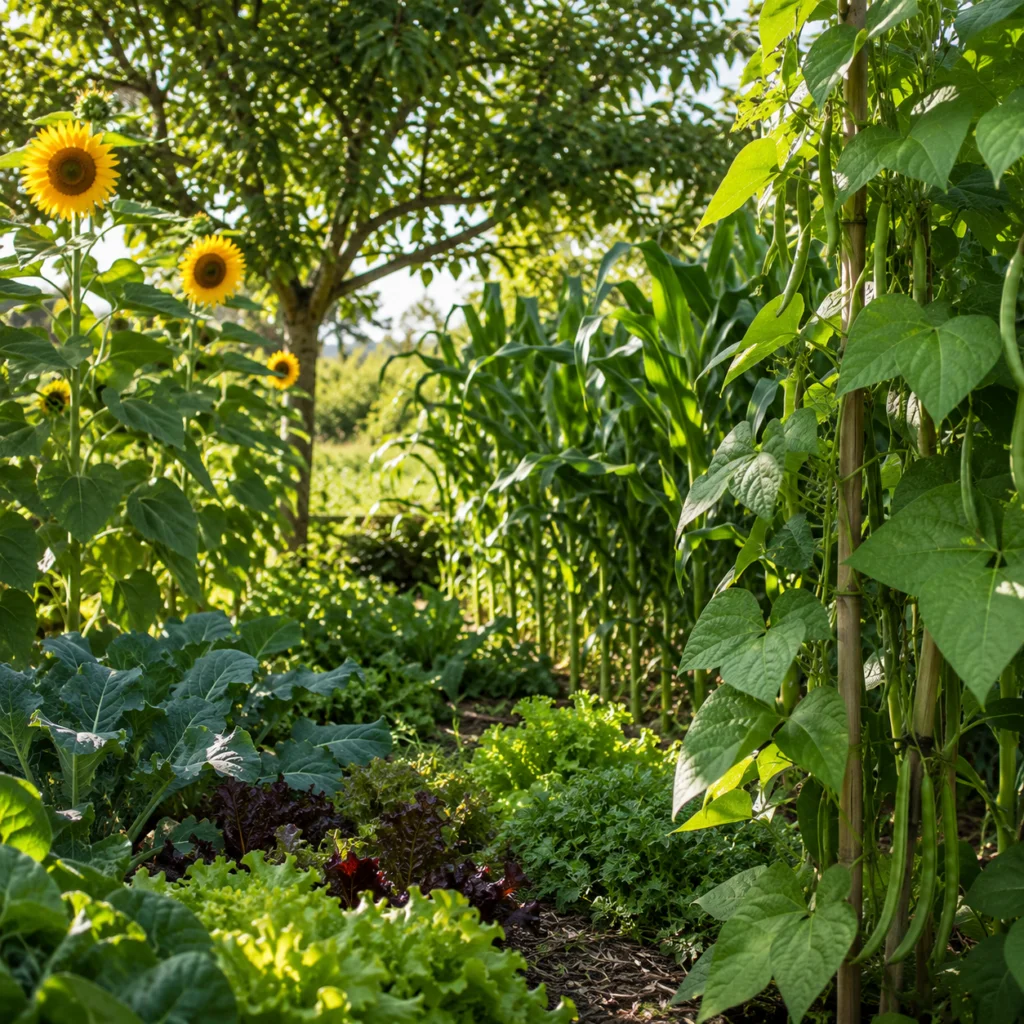
Tomatoes, zucchini, peppers, eggplants, salads, basil, parsley, celery, onions, green beans, strawberries, and herbs have all found their place in my garden. Sometimes it resembles a proper garden; other times, it’s just a few plants squeezed into available spaces. It may be orderly lines or a small green chaos that only I can decipher. But one thing is certain: the garden has always been there.
The Garden is More than Just Food
When discussing gardening, the conversation often shifts to the harvest: how many tomatoes were produced, how many zucchinis were brought home, how much money was saved, and how much good food was placed on the table. While these points are valid, the garden has provided me with an abundance of healthy, fresh food harvested at the perfect time. Anyone who has tasted a sun-ripened tomato knows exactly what I mean.
It’s not just about flavor; it’s a completely different experience. When you pick a tomato at its true ripeness—not one that has been picked for transport—you can savor it warm from the sun, perhaps with a drizzle of good oil, a pinch of salt, and a basil leaf. In that moment, you realize that some simple things are far from trivial.
However, for me, the garden has never solely been about food. It is a space for learning. You learn about time, patience, humility, and that nature cooperates but does not obey. You may do everything right and still face a challenging season, or you might make a mistake and still be rewarded with a delightful surprise. This, in my view, is one of the garden's greatest lessons.
Each Year is Unique
To an outsider, gardening might seem repetitive: every year you prepare the soil, select seedlings, transplant, water, mulch, monitor, tie up plants, and harvest. It may appear as a routine. Yet, every year brings its own set of changes.
The spring varies, the rain shifts, the heat changes, the soil behaves differently, and even your perspective evolves. Some years, tomatoes thrive like rockets, while other years, they seem sulky. There are seasons when zucchinis become so abundant that you find yourself giving them away to friends, family, and even passersby.
And then there are the peculiar years: when a plant you thought was done springs back to life, or when a new variety surprises you, or when basil struggles. Some years make you question your commitment, while others remind you why you garden in the first place. The garden has a way of restoring a real rhythm to your life—one that contrasts sharply with the incessant notifications and deadlines of modern life.
The Garden Teaches You Don’t Control Everything
One aspect of gardening that I particularly appreciate, despite its occasional frustrations, is the reminder that you cannot control everything. You can prepare the soil well, select quality seedlings, transplant at the right time, mulch, manage water carefully, and observe daily. Yet, you cannot dictate the weather, prevent hailstorms, or stop every aphid attack. You cannot force a plant to grow according to your mental calendar.
This reality is beneficial because it teaches you to engage in a relationship rather than exert control. The garden is not a machine where you insert coins to receive zucchinis. It is a living system that requires care, time, listening, and adaptation. This is where the garden transcends being just a cultivated patch of land; it compels you to move beyond the mindset of “I want, therefore I get.” It invites you into a different dimension: prepare, try, observe, correct, and welcome.
The Joy of Harvesting
Of course, there’s also the most delightful part: the harvest. While philosophy, connection to the earth, and waiting are all important, nothing compares to the joy of returning home with a basket full of produce. The first ripe tomatoes, tender zucchinis, glossy eggplants, colorful peppers, fragrant basil, and salad picked just before serving are all small treasures.
These may seem like minor victories, but they are anything but trivial. Each piece of food carries a connection. You know its origin, what you invested in it, and what you chose not to force with unnecessary products. Each vegetable has a story, albeit simple, and when it reaches your plate, that story is palpable.
Not everyone may notice, and some might simply eat without thought. But those who cultivate know that a garden tomato is much more than just a tomato. It embodies a morning spent tying up plants, an evening of watering despite fatigue, the mulch laid down before the heat, the careful observation of a leaf that seemed off, and the decision to wait a day longer before harvesting.
Even a Small Space Can Suffice
Occasionally, I hear people express a desire to garden but claim they lack space. I understand this sentiment. Not everyone has land, a large garden, or the time and energy for a full-fledged garden. However, it is not always necessary to start big; in fact, starting small is often better.
A few tomato plants, a couple of zucchinis if space allows, a large pot of herbs, a raised bed, a sunny corner of the yard, a well-exposed terrace, or a small mixed bed of vegetables, flowers, and beneficial plants can all suffice. A garden does not need to be perfect or magazine-worthy; it does not need to have perfectly straight rows or prove anything to anyone. It should work for you, provide joy, and not become an additional source of stress.
Even just three tomato plants can teach you a lot. A single pot of basil can change your perspective on food. A small harvest can yield immense satisfaction. The goal is not to have the most beautiful garden in the neighborhood but to rebuild your relationship with the earth, the seasons, what you eat, and the time necessary for something to truly grow.
Sustainable Gardening Begins with Observation
From my perspective, gardening should also be as sustainable as possible. This does not mean complicating your life; often, it means the opposite. It entails observing before acting, understanding your soil, using water wisely, protecting the earth, avoiding bare soil under the hot sun, utilizing mulches, compost, and organic matter, and promoting biodiversity, beneficial flowers, predatory insects, and small balances.
A healthy garden does not emerge from a constant war against everything that moves; it arises from a functioning environment. Challenges will always arise; that’s part of the game. But if the soil is alive, if the plants are not stressed, and if we don’t view every insect as an enemy to eliminate, the garden often finds its balance—not perfect, but alive.
And alive is often better than perfect.
After 35 Years, I Still Want to Plant
What strikes me most is this: after more than 35 years, I still have the desire to get my hands in the soil. I could easily say, “I know how to do it,” or “I’ve done it many times,” or even “I’ll skip it this year.” Yet, every year, when the right moment arrives, something stirs within me.
I see the trays of seedlings, smell the earth, check the sky, temperatures, and forecasts, and begin to contemplate where to place everything. And I start again. Perhaps because gardening is never just a practical activity; it is memory, good habit, roots, and a gesture that repeats yet always brings something new.
In a time when we often feel disconnected from nature, food, the seasons, and even our bodies, the garden remains one of the simplest ways to reconnect with the earth—in the most beautiful sense of the term.
Have You Started Planting Yet?
I’m curious now: do you share this passion? Have you planted anything this year? Perhaps you have a full garden, just a few pots on a balcony, a small corner in your yard, or you are still waiting for the right moment.
Tomatoes, zucchinis, peppers, eggplants, salads, basil, herbs, strawberries, green beans, cucumbers… whatever it may be, I would love to hear about it. Because gardening, even when done alone, fosters community. We exchange tips, share mistakes, gift seedlings, complain about the heat, the rain, and the snails, and take pride in the first tomatoes, even if we pretend otherwise.
And that’s perfectly fine. Behind every garden lies much more than just a harvest; it embodies a way of being in the world—slower, more tangible, and closer to life.
If you’d like, share what you are cultivating this year. And if you have a garden, an orchard, or even just a small space you wish to make more sustainable, beautiful, useful, and suited to you, feel free to reach out to me at:
I would be delighted to read about your experiences and, if needed, help you understand how to best enhance your green space. The future of your garden—and your orchard—often depends on the choices you make today.