The Enchantment of Fireflies: Bringing Light to Your Summer Nights
Discover how to attract fireflies to your garden and understand the science behind their enchanting glow. Learn about their lifecycle, habitat needs, and the best practices for creating a firefly-friendly environment.
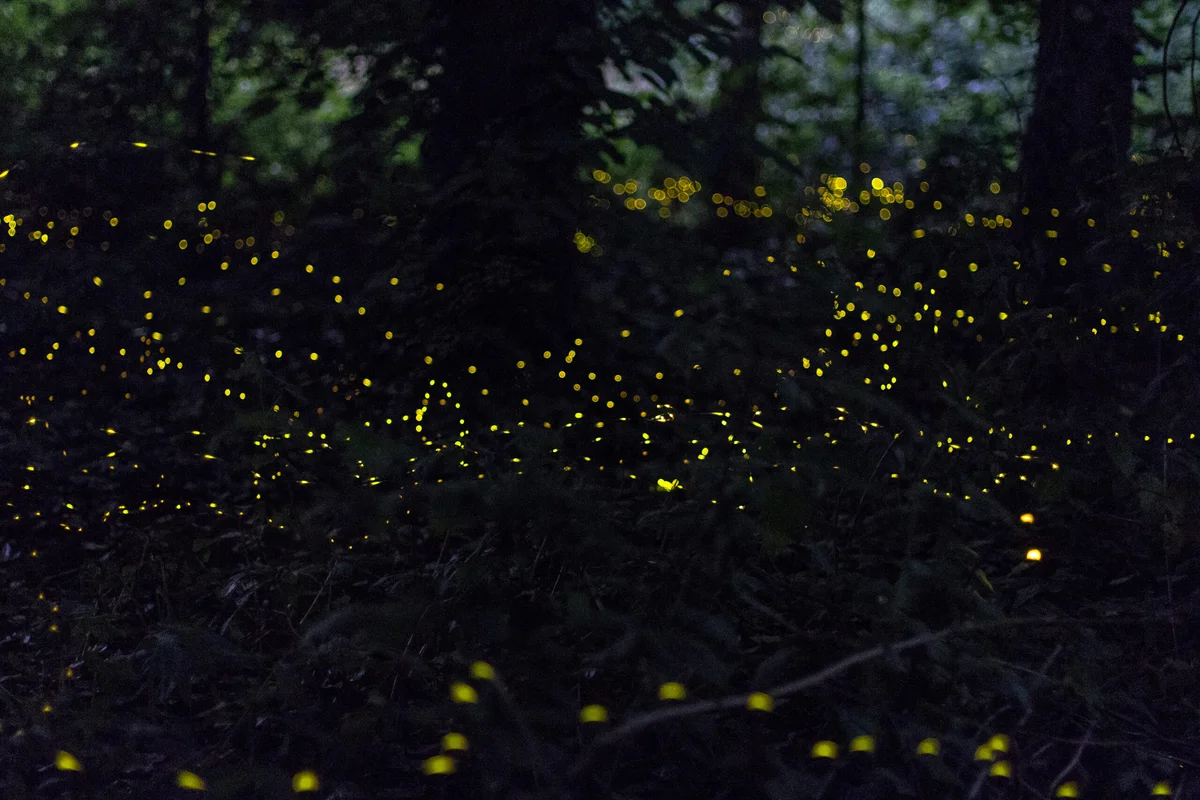
As you relax on a warm summer evening, perhaps with a candle flickering beside you and a glass of wine in hand, the starry sky above creates a perfect backdrop. Suddenly, you notice small lights dancing across your garden, illuminating the grass and weaving through the plants. At first glance, it may seem like tiny fairies are flitting about, but in reality, these captivating lights belong to fireflies. Unfortunately, these enchanting insects are becoming increasingly rare. This article explores how to attract fireflies to your garden and the science behind their bioluminescent glow.
Fireflies – Beetles with Luminescent Abilities
The term "firefly" may evoke images of glowing worms, but these insects are actually beetles, known scientifically as lightning bugs. In Germany, three species can be found: the Large Firefly, the Small Firefly, and the Short-winged Firefly.
The glow emitted by fireflies serves a specific purpose: it is a means of communication during mating rituals. Typically, it is the females that sit in the grass or on low plants, sending out light signals, while the males search for these signals in the dark. Interestingly, in the case of the Small Firefly, males can also produce light. Thus, when you observe glowing points in the air, you are likely witnessing the males at work.
Cold Light Without Cables or Batteries
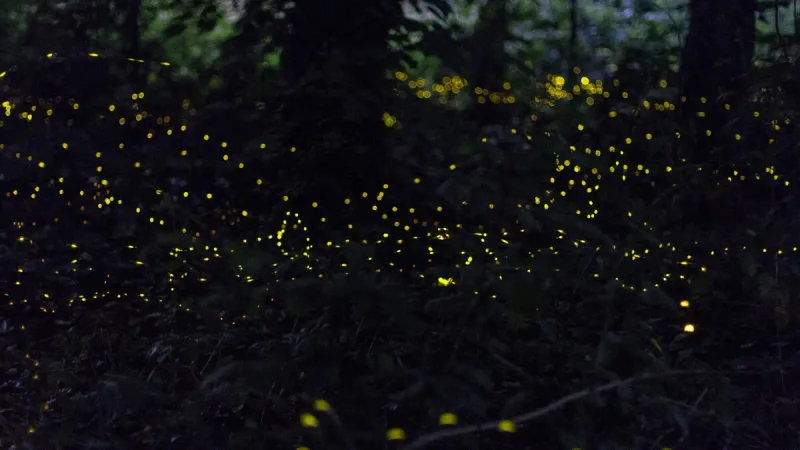
When we think of light, we often associate it with warmth. However, fireflies emit a cold light, a phenomenon known as bioluminescence. This occurs in their abdomen, where light-emitting chemicals, oxygen, and an enzyme react, releasing energy that manifests as a green-yellow glow.
For fireflies, this glow carries a clear message: "Here I am, can you find me?" These insects are nocturnal, and in order to spot them, it’s essential to ensure that your garden is dark enough. If the surroundings are too bright or only dusk is settling in, it may be challenging to see them. However, if you create a suitable environment, you might just catch a glimpse of their mesmerizing light.
The Best Time for Sightings
Fireflies are not visible throughout the entire summer. Their mating season peaks in June and July, when they emerge at dusk to find partners. Optimal conditions for observing them include:
- Warm weather
- Calm evenings
- Dark corners of the garden
- Tall grass
- Hedge edges
- Natural meadows
- Areas with minimal ambient light
Seeing fireflies requires patience and a bit of luck. Even if your garden is conducive to attracting them, it doesn’t guarantee their presence. So, enjoy your evening outdoors, and if a flicker of light appears, consider it a sign of good fortune.
The Hunt for Snails
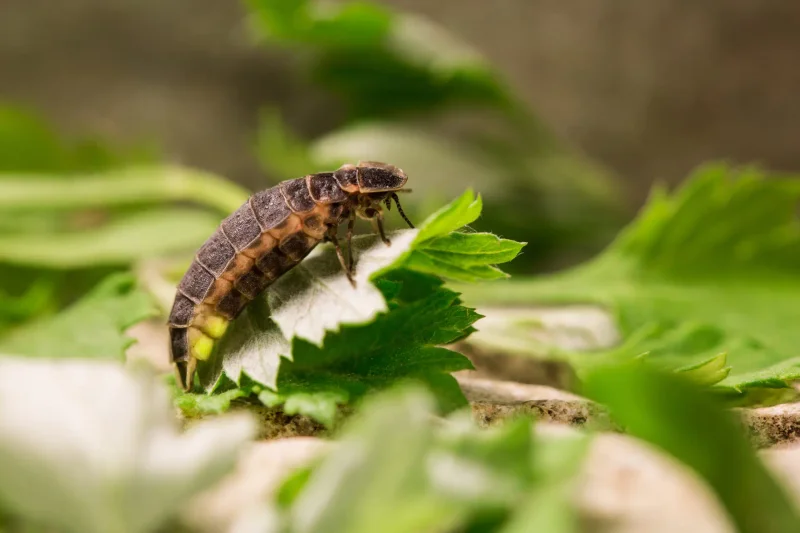
Most of the time, we may not encounter fireflies directly, as they spend the majority of their lives on the ground. Here, their larvae thrive among leaves, grass, moss, small stones, and plant debris. These larvae can remain in this stage for several years, primarily preying on snails. They follow the slime trails of their prey, deliver a paralyzing bite, and consume them—all without our notice.
Adult fireflies, in contrast, have a much shorter lifespan, often lasting only a few days to a few weeks. During this time, they focus on mating and laying eggs, with many adults consuming little to no food.
For gardeners looking to support firefly populations, it’s important not to eradicate every snail in sight. While protecting your precious plants is essential, a balance must be struck between safeguarding specific crops and using harmful substances like snail bait. Instead, consider protecting delicate plants appropriately.
The Garden as a Shelter and Stage
A well-maintained garden does not deter fireflies or their larvae, but it doesn’t need to be wild either to attract these creatures. Areas where hedges meet lawns, flower beds transition into grassy strips, or perennials grow among loose leaf litter are particularly valuable. It’s not crucial to plant specific species for fireflies; rather, the garden layout and structure play a significant role in their attraction.
| Area | Benefit | Maintenance | |---------------|-----------|----------------------------------| | Hedge | Shelter | Leave leaf litter | | Meadow | Cover | Mow in strips | | Perennials | Resting place | Avoid complete cutting | | Brushwood | Hiding | Store quietly | | Pond edge | Moisture | Plant loosely |
Plants and garden areas that do not leave the soil completely exposed are ideal. Taller grasses along the meadow's edge, ferns in shaded corners, ivy at the edge of shrubs, and native perennials with dense growth create these necessary transitions.
Perennial beds can also be suitable if they are not entirely cleared. Keeping a mix of robust plants like lady’s mantle, geraniums, comfrey, and wild comfrey allows for better protection of the soil than a bed with bare earth and isolated plants.
Females require low plants and stems to make their light signals visible, while larvae need sheltered ground beneath. This environment is not found in a neatly mowed lawn but rather in edges, under shrubs, and in tranquil corners.
Care with a Gentle Touch
Creating a firefly-friendly garden largely involves knowing when to refrain from certain maintenance tasks. Not everything needs to be mowed or pruned immediately. You can maintain a tidy garden while still encouraging fireflies. Here are some practical tips:
- Allow garden edges to grow longer before mowing.
- Alternate mowing strips in meadows.
- Let leaves remain under hedges.
- Avoid cutting perennials back completely.
- Do not dispose of brush and twig piles right away.
The Matter of Garden Lighting
Fireflies thrive in darkness, as their light signals must reach their intended recipients. This doesn’t mean you must sit in complete darkness in your garden at night, but it does imply that constant and unnecessary lighting can disorient nocturnal creatures.
| Light Type | Problem | Solution | |------------------|----------------|---------------------------| | Spotlights | Too bright | Use sparingly | | Solar stakes | Constant light | Remove from beds | | Globe lamps | Omnidirectional | Shield them | | Path lights | Broad coverage | Aim downwards | | Motion sensors | Short bursts | Adjust appropriately |
Thus, a small lamp on a step is beneficial, while a continuously glowing light deep into the night is less so. The darker the surrounding areas remain, the easier it will be for fireflies to display their signals.
Nights Filled with Little Lights
The next time you find yourself outdoors as night falls, take a moment to observe your garden closely. Sit quietly and watch—perhaps a brief flicker will catch your eye in the grass, or maybe that first light will be followed by others. If so, rejoice in having a garden that provides a welcoming habitat for fireflies, and perhaps this sighting will bring you a touch of luck.