The Edible Dandelion: A Hidden Gem in Your Garden
Dandelion is often overlooked as a mere weed, yet it offers a wealth of flavors and nutrients. Discover its uses in salads, syrup, and more.


The edible dandelion is often underestimated, perceived by many as just a common weed. However, this plant is packed with a remarkable array of flavors and nutrients. Whether enjoyed as a fresh wild salad, incorporated into various dishes, or transformed into sweet dandelion flower honey, nearly every part of the dandelion is usable.
As you delve into the world of natural plants, it's easy to realize that many elements we typically remove from our gardens hold significant value. Similar to homemade products, such as those discussed in the article on DIY scrubs, simple ingredients often possess more potential than we might expect.
Is Dandelion Edible?
The straightforward answer is yes—dandelion is entirely edible. However, the more intriguing question revolves around its flavor profile and the optimal time for harvesting. The young leaves have a slight bitterness reminiscent of arugula, albeit a bit stronger. In spring, when they are still tender, they make a perfect addition to fresh salads. As they mature, their flavor intensifies, becoming almost herbaceous, making them well-suited for warm dishes or herb blends.
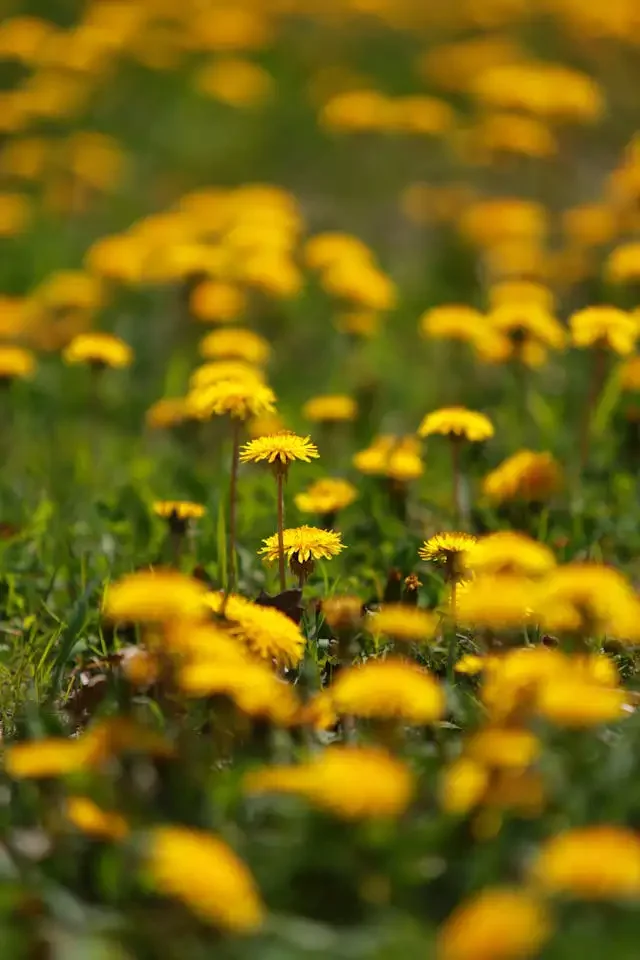
Conversely, the flowers surprise many first-time tasters. Those who try dandelion flowers for the first time quickly discover that they are mild, subtly sweet, and much gentler than the leaves.
Dandelion Flowers: An Overlooked Ingredient
Dandelion flowers are not only edible but also one of the most delightful parts of the plant. They add a pop of color to dishes and impart a delicate, unobtrusive sweetness. You can use the flowers fresh, sprinkling them over salads or incorporating them into batter. However, they are most famously transformed into a syrup often referred to as dandelion flower honey.
Dandelion Flower Honey: A Springtime Recipe
When the fields are awash in yellow, it marks the perfect time to make dandelion honey. The recipe is straightforward but requires a bit of patience, which adds to its charm. Gather fresh flowers on a dry morning, steep them with water and lemon slices, and then simmer the mixture with sugar. In time, you’ll create a golden syrup with a warm, floral, and slightly caramel flavor. This syrup is delightful on bread, in tea, or simply as a sweet reminder of spring.
Simple jars are ideal for storing your dandelion flower honey.
Why Dandelion Is More Than Just a Plant
Dandelions have accompanied humans for centuries. They are not only edible but also rich in compounds traditionally valued for their health benefits. The bitter substances found in the leaves play a key role in stimulating digestion and gently activating the body. According to the German Consumer Center, dandelion is loaded with vitamins, minerals, and secondary plant compounds, making it a valuable addition to any kitchen.

How to Incorporate Dandelion into Your Daily Life
Once you start to consciously utilize dandelion, you will quickly find your own unique ways to enjoy it. Perhaps it’s a fresh spring salad or a syrup that accompanies you through the summer. Your perspective in the garden may also shift; rather than immediately uprooting dandelions, you might choose to let them thrive as part of a vibrant, natural ecosystem. This approach mirrors the process of making natural fertilizers, as discussed in the article on creating vinasse, focusing on the thoughtful use of existing resources.
Scientific Insights: The Value of Dandelion
At first glance, dandelion may seem unremarkable, but botanically, it is impressively versatile. The plant contains a mix of bitter compounds, vitamins, and secondary metabolites that are frequently studied in research. A review from the National Library of Medicine notes that dandelion possesses antioxidant and anti-inflammatory properties. The bitter compounds can aid digestion, while polyphenols help reduce cellular stress. The leaves are also nutrient-dense, containing significant amounts of Vitamin A, Vitamin C, and minerals like potassium and iron. This combination not only makes dandelion edible but also functionally interesting.
Especially in spring, when the body undergoes seasonal adjustments, dandelion serves as an excellent natural support for a mindful diet. For centuries, it has been utilized in various traditional cuisines—not as a trend, but as a natural part of seasonal eating.
Tips for Foraging Dandelion
When foraging for dandelion, it’s important to be mindful. Choose locations away from busy roads and ensure the plants have not been treated with chemicals. The best leaves are found in spring, while flowers should ideally be collected on sunny mornings. This way, their flavor remains mild, and their quality stays high.
Is dandelion really edible?
Yes, all parts of the plant can be used—from the leaves to the roots.
Can dandelion flowers be eaten?
Yes, they are mild in flavor and versatile in use.
What is dandelion flower honey?
A syrup made from dandelion flowers that resembles honey in taste.
How does dandelion taste?
The leaves are somewhat bitter, while the flowers are mild and slightly sweet.
Is dandelion healthy?
Dandelion is rich in valuable nutrients and has been traditionally used in cooking and herbal medicine.