Selecting the Perfect Bathtub: Key Tips and Considerations
Choosing the right bathtub involves considering various elements like dimensions, materials, and ergonomics. This guide helps you navigate through your options for an informed decision.
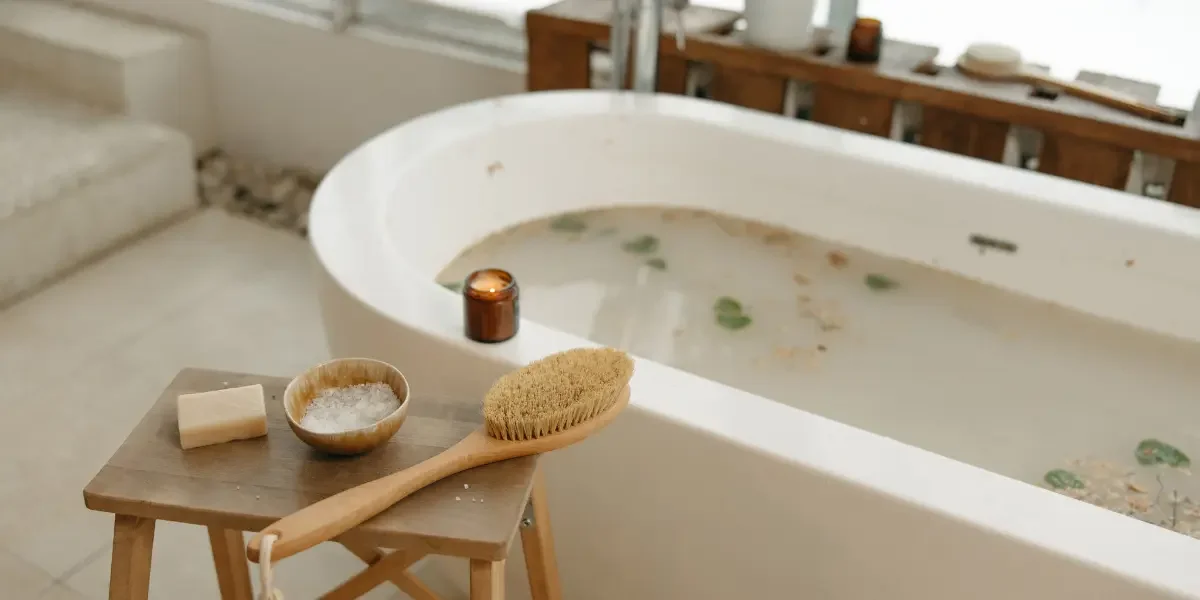
Choosing a bathtub may seem straightforward at first glance, but there are numerous factors to consider to ensure you make the right choice. Comfort, ergonomics, dimensions, and materials are all critical elements that influence your decision. This article will guide you through the various options available, enabling you to make an informed selection.
Dimensions and Shapes
One of the first aspects to consider when selecting a bathtub is its dimensions. It's crucial to measure the available space in your bathroom before making your choice. Standard dimensions typically range from 150 to 180 cm in length and 70 to 85 cm in width. However, there are also compact models and larger options depending on your specific needs.
When it comes to shapes, bathtubs are available in rectangular, oval, round, or corner designs. The shape often depends on the space and the style you wish to achieve in your bathroom. For instance, a corner bathtub can maximize space in a small area, while an oval design adds a touch of modernity and luxury.
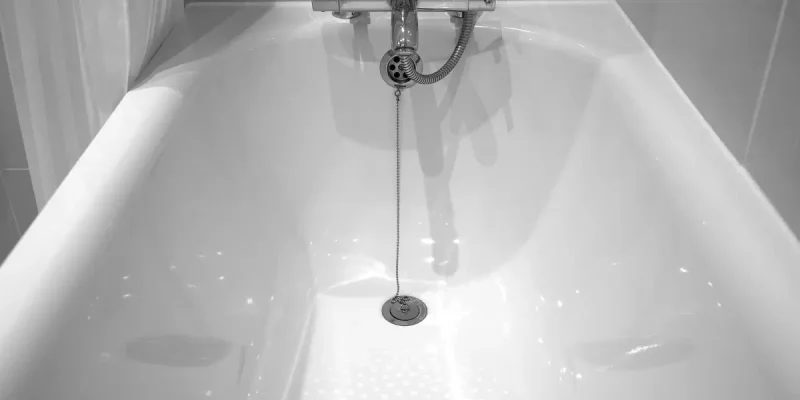
Rectangular Bathtub
The rectangular shape is the most common and fits most bathroom configurations. It can be easily integrated against a wall or in an alcove, offering several installation options for faucets.
Corner Bathtub
A corner bathtub can be an excellent solution for optimizing space in a limited bathroom. It also adds a unique aesthetic touch while providing enough room for a comfortable bath.
Materials and Types of Bathtubs
The materials used in bathtub construction play a crucial role in their durability and maintenance. Here are some of the most common materials:
- Acrylic – Lightweight, economical, and easy to install, acrylic is a popular choice. It is resistant to impacts and retains water heat for longer.
- Enamel on Steel – Highly durable, enamel on steel has a glossy finish. However, it is heavier and can feel cold to the touch.
- Cast Iron – Extremely robust and durable, cast iron retains heat very well. This option is, however, quite heavy and typically requires professional installation.
The choice of material will influence not only the style and appearance of the bathtub but also its maintenance.
Location and Installation
The placement of the bathtub in your bathroom will primarily depend on space constraints and personal preferences. Various installations are possible, such as built-in, under a window, or in a central area of the room.
Built-in vs. Freestanding Installation
A built-in bathtub is fixed within a specific structure and surrounded by tiles or other finishes. It optimizes space, especially in traditional configurations. In contrast, a freestanding bathtub is placed directly on the floor and often becomes the focal point of the bathroom. While visually striking, it requires more space and careful installation of plumbing connections.
Usage and Comfort
Consider the intended use of the bathtub when making your selection. If you have young children, a bathtub large enough to facilitate easy bathing is essential. For elderly individuals or those with mobility issues, certain models are designed with access doors to ease entry and exit.
In terms of comfort, look for a bathtub with an incline that supports your natural posture and a non-slip bottom to prevent accidents. Some bathtubs even offer massage jets or chromotherapy systems to transform your daily bath into a true relaxation experience.
Bathtub Comparison
| Type | Advantages | Disadvantages | |--------------------|----------------------------------|--------------------------------| | Rectangular | Fits easily, versatile | Classic design, sometimes bland| | Corner | Optimizes space, aesthetic design| Requires more wall space | | Freestanding | Attractive centerpiece, flexible positioning | Requires space, complex installation |
Ergonomics and Style
Ergonomics should be a key factor in your bathtub selection. Consider the height of the rim, the presence of integrated armrests or headrests, and the depth of the bath. These elements significantly contribute to overall comfort.
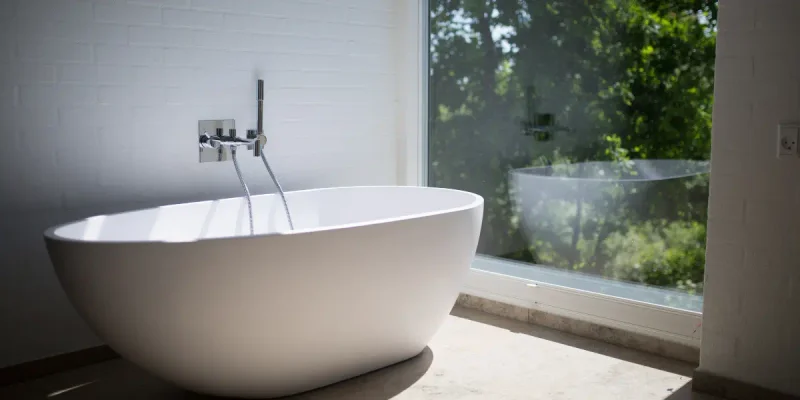
Finally, think about the overall style of your bathroom. Your bathtub should harmoniously integrate with the rest of your decor. Whether your bathroom is modern, rustic, or minimalist, there are models suited to every theme.
Contemporary Style
For a contemporary look, opt for sleek lines and modern materials like acrylic or fiberglass. Freestanding bathtubs with bold designs can add a sophisticated touch.
Classic Style
If you prefer a more traditional appearance, an enamel-coated cast iron bathtub with claw feet might be exactly what you need. This type of bathtub adds a charming and timeless elegance to any bathroom.
Selecting the right bathtub is essential for creating a relaxed and enjoyable atmosphere in your bathroom. Keep in mind various aspects such as dimensions, shapes, materials, location, installation, usage, comfort, ergonomics, and style. Take the necessary time to evaluate each of these characteristics to find the perfect bathtub that meets your needs and desires.