Recreating the Garden of Eden: Insights from Scientific Research
A Franco-Iraqi team has recreated a viable ancient garden in Mesopotamia, revealing insights about the Garden of Eden as an irrigated agroforestry system. Discover the findings and lessons for modern gardening.
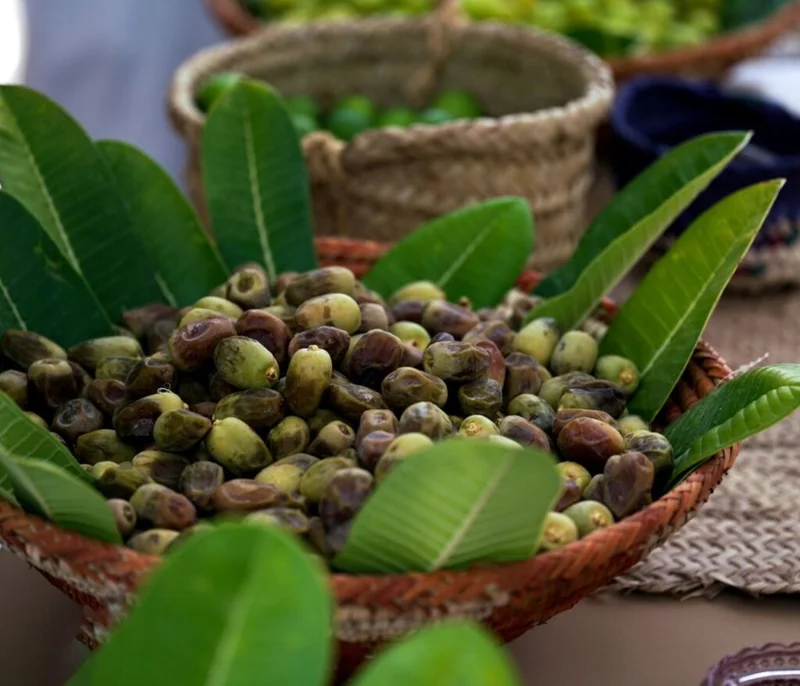
A Franco-Iraqi research team has successfully reconstructed a viable ancient garden in Mesopotamia, incorporating 27 local species. This endeavor sheds light on the myth of Eden, revealing it as an irrigated agroforestry system from the Bronze Age rather than a tropical forest. The results are promising: a 78% survival rate for trees, the return of 14 bird species, and a 35% decrease in soil salinity.
The concept of the Garden of Eden often conjures images of a lost paradise, but for researchers, it represents a practical challenge. This fascination has inspired a deeper understanding of ancient texts and their implications for modern gardening practices.
Understanding Ancient Texts
The Book of Genesis references four rivers, magnificent trees, gold, and precious stones, while Sumerian tablets speak of the "Paradise of Dilmun," a disease-free area with flowing freshwater. Fossil pollen from the Shatt al-Arab region indicates a rich variety of date palms, poplars, and reeds. Medieval Arab accounts describe enclosed gardens irrigated by canals, suggesting that the myth aligns more closely with an ancient agroforestry system than with a lush tropical forest.
To explore this, researchers selected a 2-hectare plot in Qurna, at the confluence of the Tigris and Euphrates rivers. They drilled artesian wells to replicate the water springs described in ancient texts and planted 27 species known from antiquity, demonstrating an innovative approach to understanding historical ecosystems.

The Recreation Process
The reconstruction involved several key steps:
- Soil Analysis: 12 potential sites were examined, leading to the selection of one.
- Drilling Artesian Wells: This was done to mimic the underground springs.
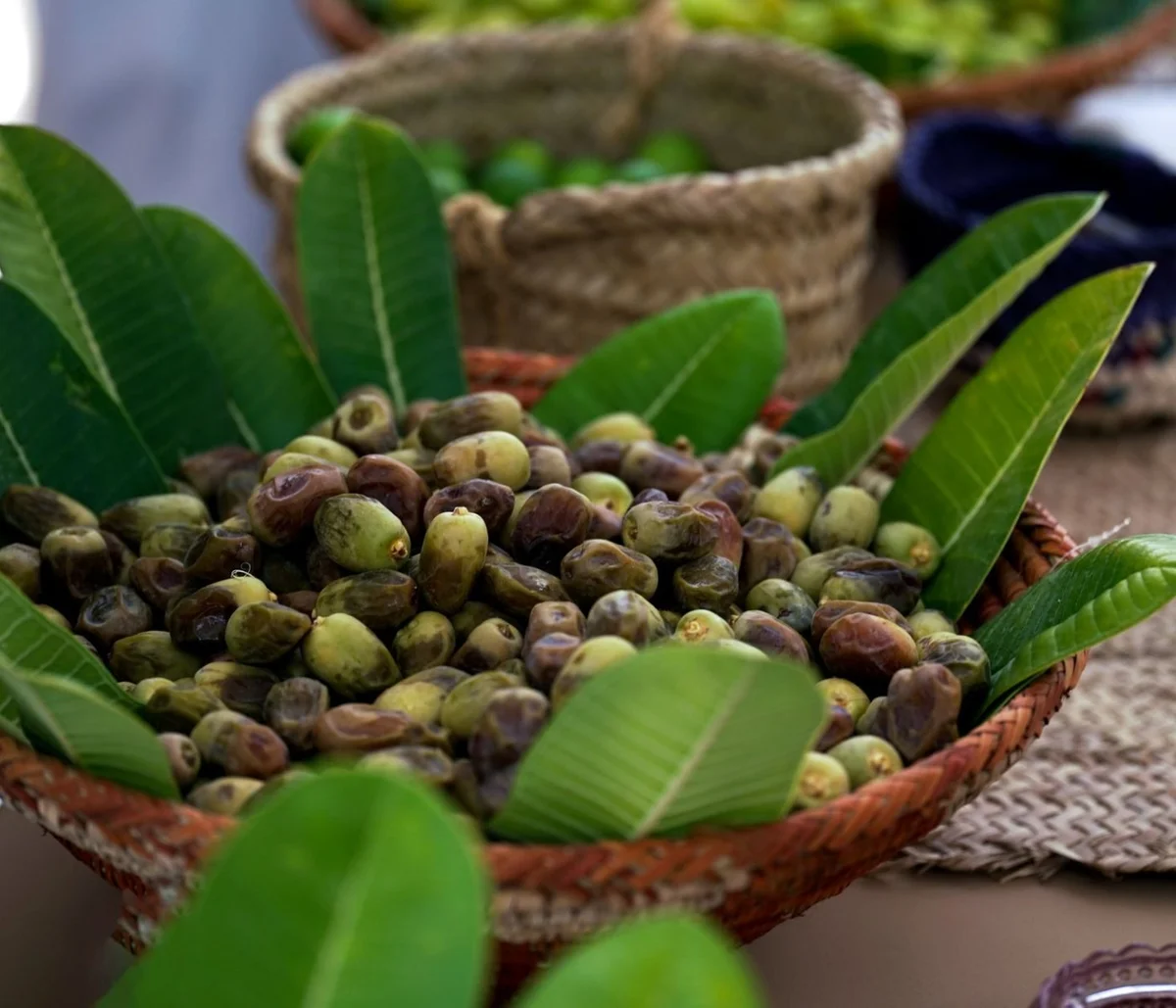
- Planting of 27 Species: Varieties included date palms, pomegranates, figs, almonds, poplars, myrtles, cistus, camphor, and others.
- Controlled Submersion Irrigation: An adapted foggara system was employed to simulate flood conditions.
- Biodiversity Monitoring: Insects and birds were tracked over three growing cycles.
The results were remarkable. The tree survival rate reached 78% after five years, compared to 40% for conventional planting methods. Biodiversity flourished, with 14 species of aquatic birds, including herons and kingfishers, returning within just two years. Additionally, soil salinity decreased by 35% due to leaching irrigation methods. Notably, a pomegranate tree bore fruit in only 18 months, a significant reduction from the usual 3 to 4 years.
Comparing Eden with Modern Gardens
| Criteria | Reconstructed Garden of Eden | Traditional Modern Garden | |-------------------------------------|-------------------------------|-----------------------------| | Tree Survival Rate | 78% | 40% | | Bird Biodiversity | 14 species after 2 years | 2-3 species typically | | Soil Salinity | Decreased by 35% | Stable or increasing | | Ancient Grain Yield | 1.2 t/ha (without fertilizers) | 2 t/ha (modern wheat, with inputs) | | First Pomegranate Harvest | 18 months | 3-4 years |
This comparison highlights that ancient methods, which emphasized deep water and plant associations, often outperform modern techniques ecologically. For gardeners, these findings offer valuable insights.
Practical Lessons for Your Garden
- Water Management: Water deeply and slowly, using buried drip irrigation rather than surface watering.
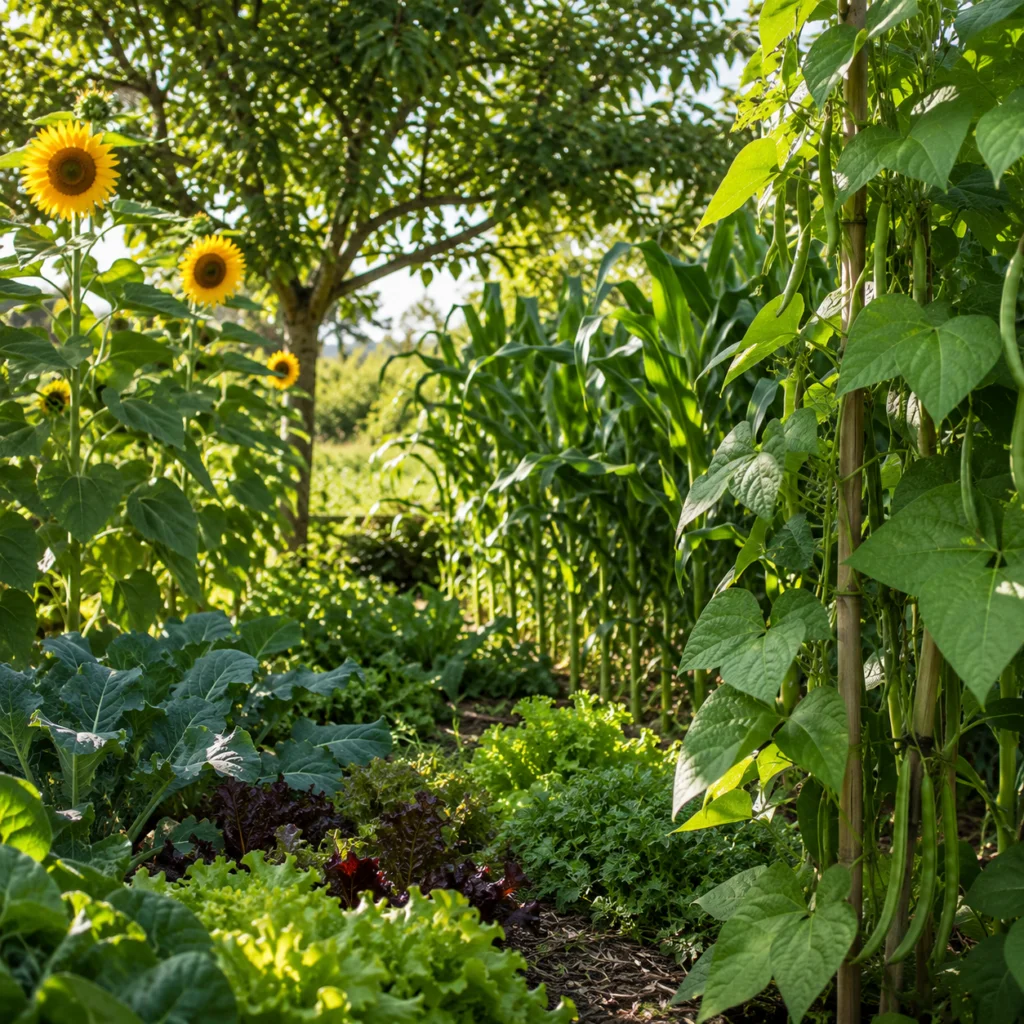
- Plant Companionship: Pair tall trees (like walnuts or linden) with fruiting shrubs and ground cover plants (such as clover and mint). Date palms can provide shade for pomegranates, protecting them from wind.
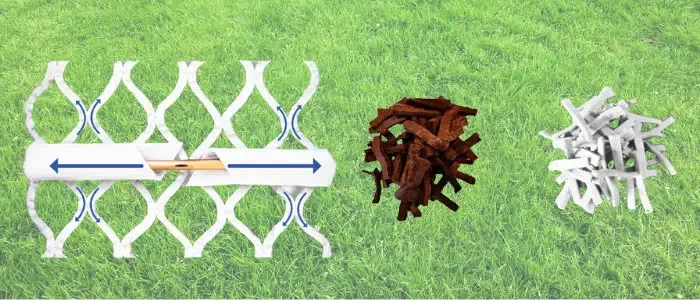
- Soil Rehabilitation: To manage saline soils without chemicals, apply a thick mulch of 10 cm and water abundantly once a month to leach salts away.
- Integrate Aesthetics and Edibility: A fig tree can be as visually appealing as a maple, while a flowering pomegranate rivals a rose.
- Create Micro-Habitats: Even a small water source (like a dish) and dead branches can attract beneficial wildlife. Birds will return naturally.
These principles have been applied in my Mediterranean garden, where I planted a fig tree near a wall with mint as ground cover. The outcome? Reduced watering needs, increased fruit yield, and a vibrant bird population.
The Lost Garden
The salinization of Mesopotamian soils, likely due to poorly managed intensive irrigation, rendered the region unsuitable for lush agriculture as early as the 2nd millennium BCE. While Adam and Eve may have been expelled, it is humanity's own actions that have led to the loss of this paradise. The serpent and cherubim may symbolize our negligence, serving as a poignant reminder.
Frequently Asked Questions
- Where was the Garden of Eden located? While there's no definitive answer, the area between the Tigris and Euphrates rivers (modern-day Iraq) remains the most plausible hypothesis based on ancient texts and geography.
- Can one recreate an "Eden" in their garden in France? Yes, by adapting the principles: a walled garden with diverse fruit trees, herbs, and a water source. The concept is more important than the specific species.
- What are the "forbidden" trees in the myth? The text does not specify an exact species. Botanists suggest a sycamore fig or pomegranate, as their red sap symbolizes blood and knowledge.
Are you ready to embark on this gardening journey? Every plant is a discovery waiting to unfold.