Medicinal Plants and Their Healing Properties
Medicinal plants are botanical species recognized for their therapeutic properties, utilized to prevent, alleviate, and cure various ailments. Explore a selection of notable medicinal plants and their uses.
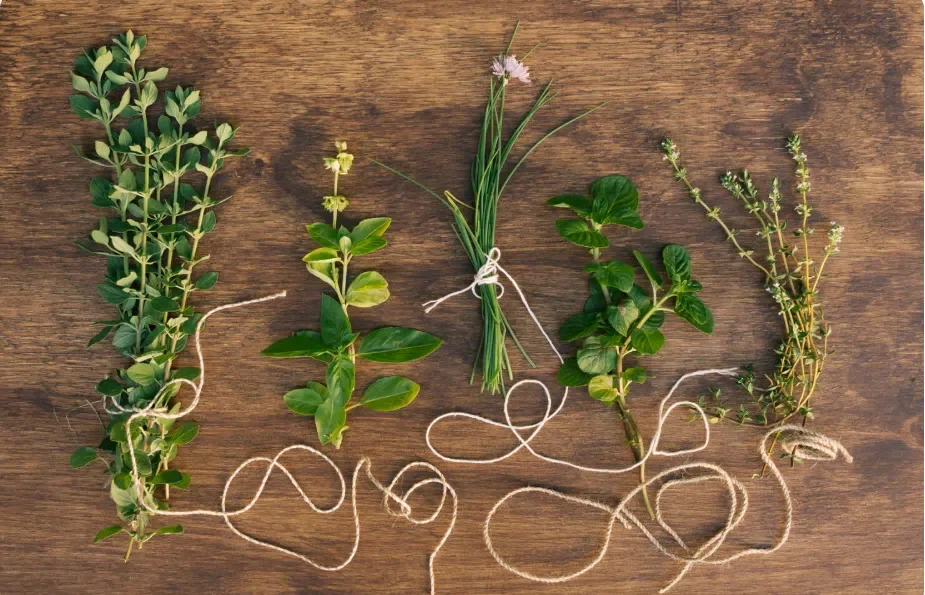
Medicinal plants are botanical species recognized for their therapeutic properties, as outlined by the European Pharmacopoeia. These plants are utilized to prevent, alleviate, and cure various ailments. The study of these plants, often referred to as "simple" plants, began in earnest during the Middle Ages by physicians and botanists. 🌿
Overview of Medicinal Plants
Here is a selection of notable medicinal plants:
Acorus Calamus
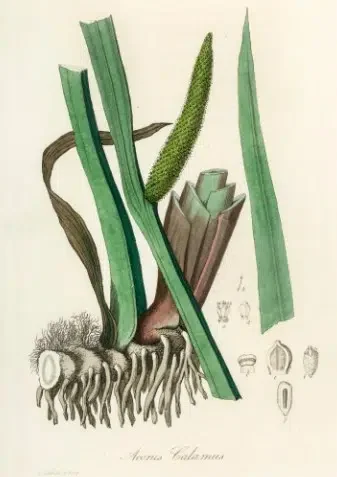
This plant, native to Indonesia and Sumatra, is derived from an aromatic amber resin with a balsamic scent. It is valued for its respiratory support, wound-healing, protective, and gentle tonic properties.
Amyris
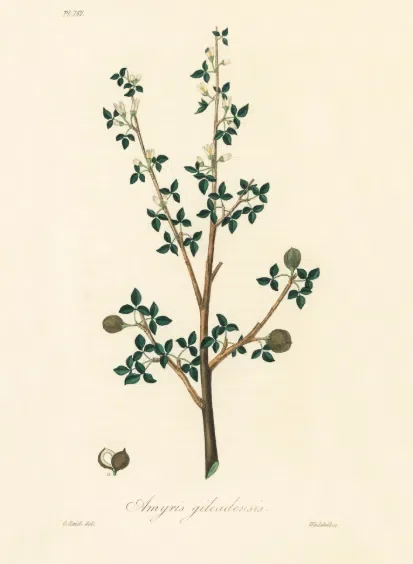
Hailing from tropical regions, Amyris is known for its fragrant resin and essential oil-rich wood. It exhibits antiseptic, healing, and soothing properties, making its oil beneficial for wound care, calming skin inflammation, and general skin health.
Angelica Officinalis
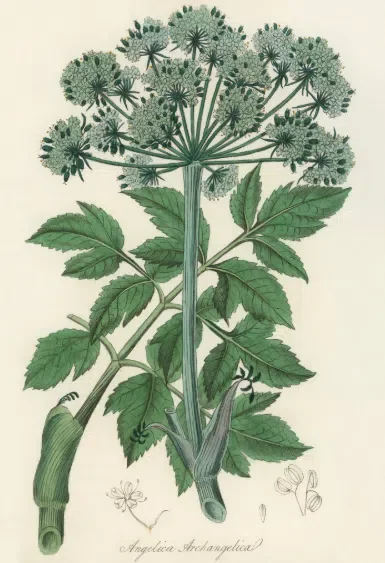
Originating from northern and mountainous areas, this plant was first cultivated in Scandinavia during the 12th century. Growing up to two meters tall, it features robust stems, often purple at the base, and large leaves. Traditionally, it is used to support digestion, relieve bloating, and stimulate the body.
Arnica Montanna
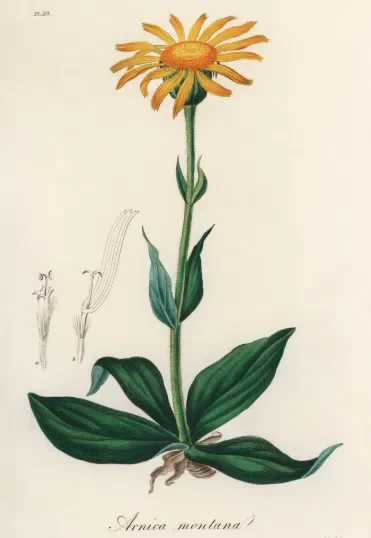
Found in high-altitude meadows and mountain lawns, Arnica is identifiable by its bright yellow flowers and hairy leaves. It is used exclusively for external applications as a mild anti-inflammatory and circulatory tonic.
Boswellia Serrata
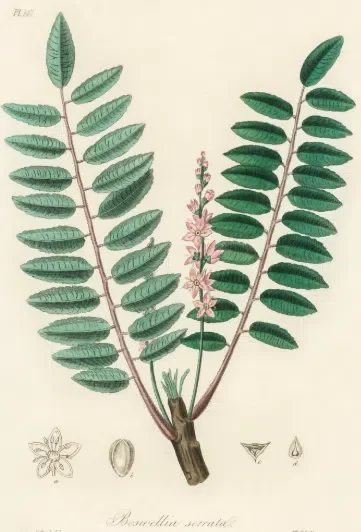
This tree thrives in the dry regions of India and the Middle East, noted for its light bark that produces aromatic resin. It is primarily utilized for joint support.
Bugloss Officinalis
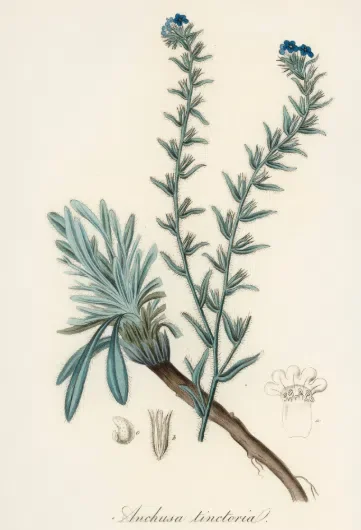
Growing in sunny meadows, Bugloss features bright blue bell-shaped flowers and rough, hairy leaves. It is employed for respiratory support, external use, and as a gentle tonic.
Chamomile
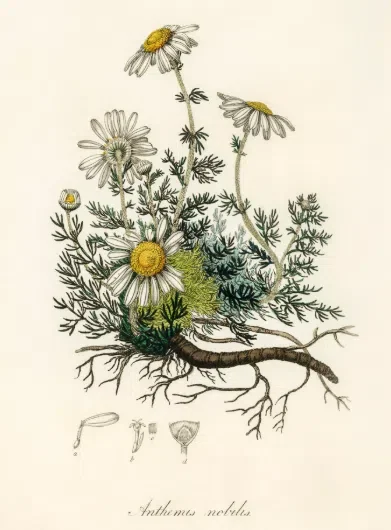
Commonly found in sunny meadows and gardens, Chamomile is recognized for its small white flowers with golden centers and sweet fragrance. It is known for its soothing, relaxing, digestive, anti-inflammatory, healing, and respiratory effects.
Capsicum Annuum
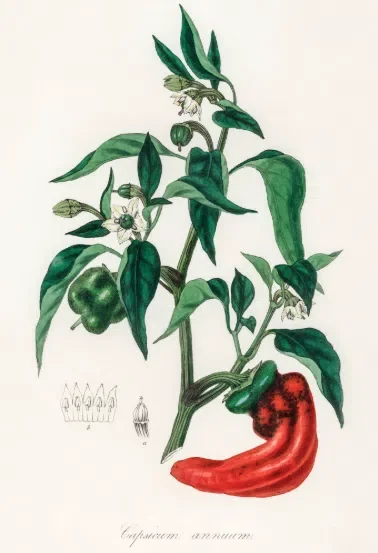
Native to Central America, this plant is identified by its fleshy, colorful fruits. It serves as a digestive stimulant, circulatory tonic, local analgesic, and mild antiseptic.
Blessed Thistle
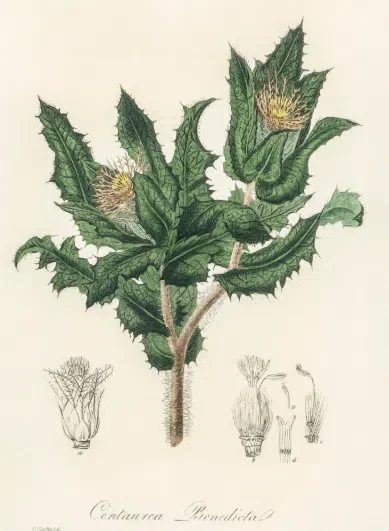
Thriving in dry, sunny areas, this plant is characterized by its spiky leaves and yellow flowers surrounded by thorny bracts. Rich in bitter principles, it is used as a digestive tonic, appetite stimulant, and purifying agent, supporting liver health and strengthening the body during periods of weakness.
Aleppo Oak
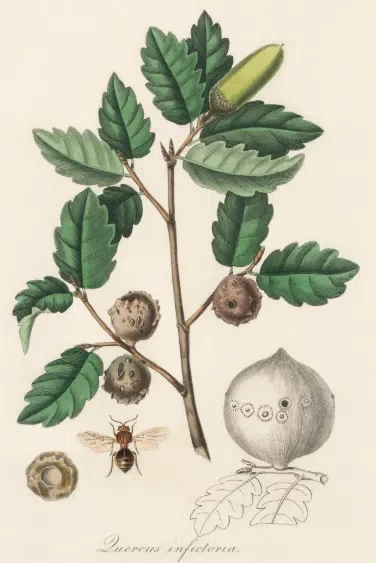
This tree, native to Mediterranean landscapes, is well-suited to dry soils and arid climates. It has a robust silhouette and evergreen foliage, rich in tannins, which provide astringent, antiseptic, and healing properties. It aids in tightening tissues, calming inflammation, and cleansing wounds, as well as relieving skin, oral, and mucosal conditions.
Clove
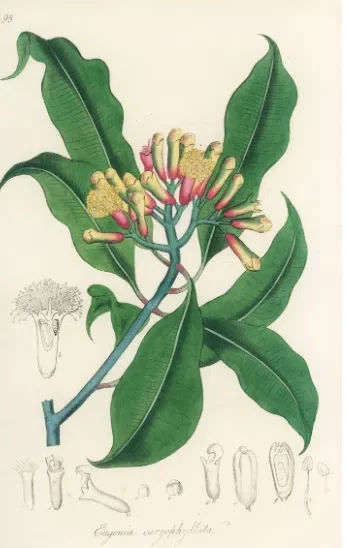
Originating from the Moluccas (Indonesia), Cloves are dried flower buds shaped like small brown nails, boasting a warm and sweet aroma. They are used as a dental analgesic, natural antiseptic, digestive aid, carminative, and mild stimulant.
Bittersweet
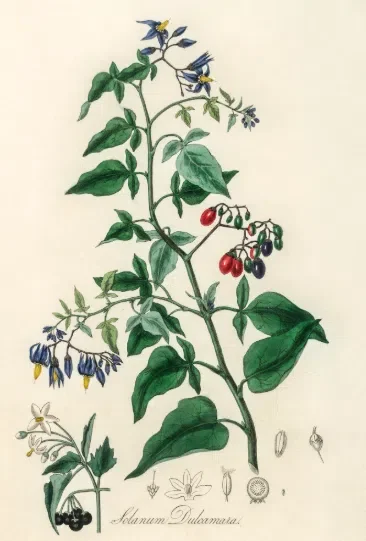
Common in hedges, damp undergrowth, and riverbanks, this plant is recognized by its star-shaped purple flowers with yellow centers and shiny red berries. It is utilized as a purifying agent, anti-inflammatory, and diuretic, particularly for skin conditions, rheumatism, and certain chronic ailments.
Dorstenia Contrajerva
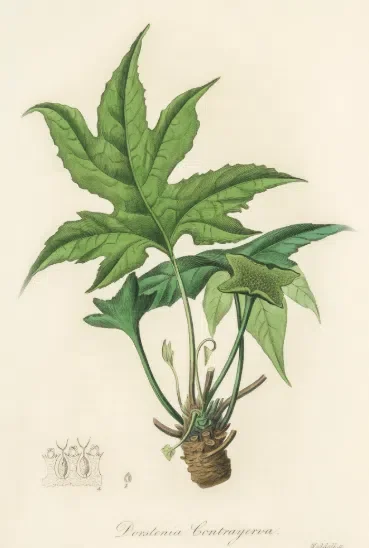
Native to Central and South America, this plant features lobed alternate leaves and a cup-shaped inflorescence. It is used for digestive support, as a general tonic, and traditionally against bites and poisons.
Cardamom (Elettaria Cardamomum)
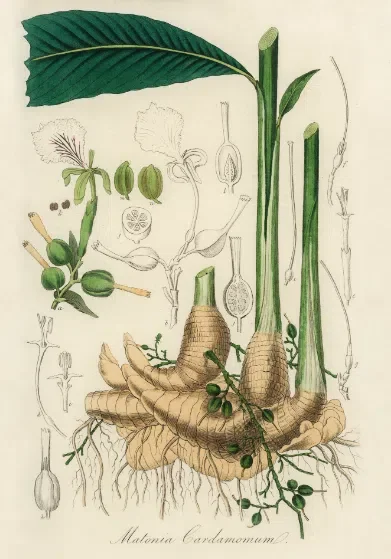
Found in India and Sri Lanka, Cardamom is recognized for its green capsules containing aromatic seeds. It is employed for digestive support, as a gentle tonic, respiratory aid, and mild antiseptic.
Persian Giant Fennel
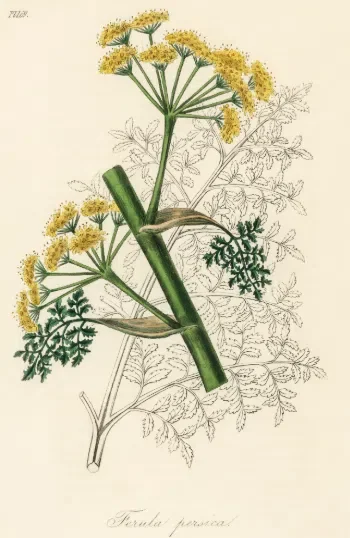
This plant is found in the steppes and dry terrains of Asia and the Middle East. It features thick, ribbed stems and clusters of small yellow flowers. It is used for digestive support, general toning, and as an antispasmodic.
Benzoin Gum
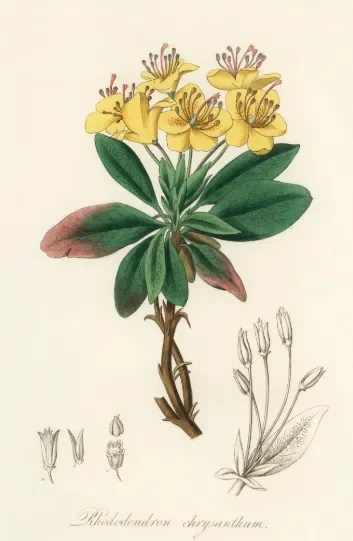
Originating from Indonesia and Sumatra, this aromatic amber resin is utilized for respiratory support, along with its healing, protective, and gentle tonic properties.
Greater Celandine
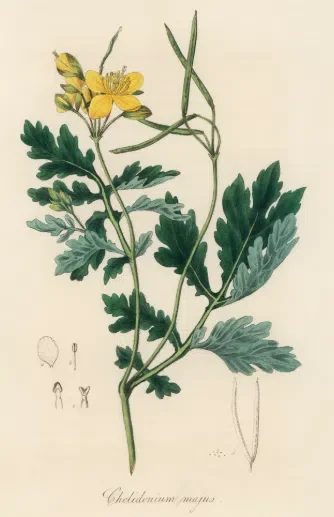
Found along hedges, walls, and shaded areas, this plant has hollow, milky stems, deeply lobed leaves, and bright yellow flowers. It supports liver and bile functions, has antispasmodic and relaxing properties, and is used externally.
Common Marshmallow
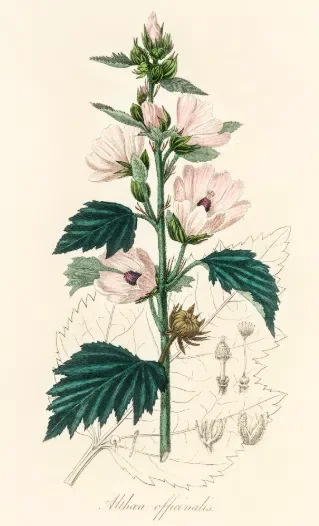
This gentle garden plant thrives in moist areas and is recognized by its pale flowers and velvety leaves. Rich in mucilage, it helps to soothe mucous membranes, calm coughs, and relieve digestive and skin irritations.
White Hellebore
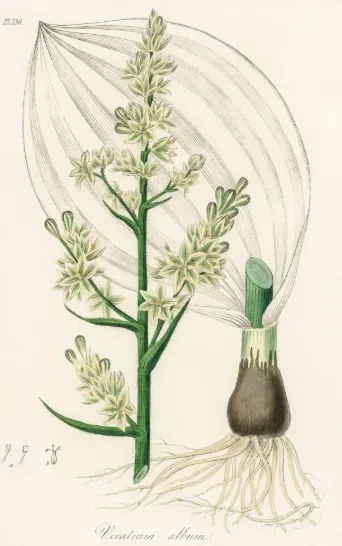
This plant grows in mountainous woods and cool meadows, identifiable by its white or pink flowers and evergreen foliage. It is a powerful purgative, historically used as a cardiac tonic and for external applications.
Sea Holly
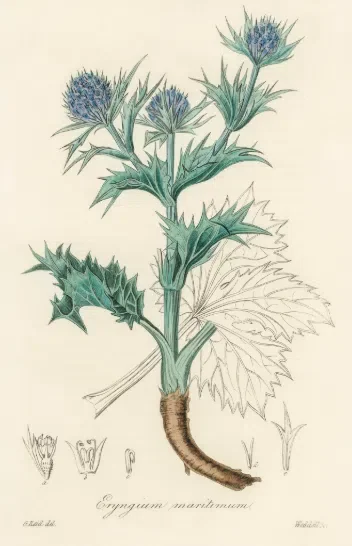
Thriving on Atlantic cliffs and coasts, Sea Holly features thick, leathery leaves edged with spines and red berries. It is utilized as a renal and urinary tonic, and externally as a poultice.
Black Henbane
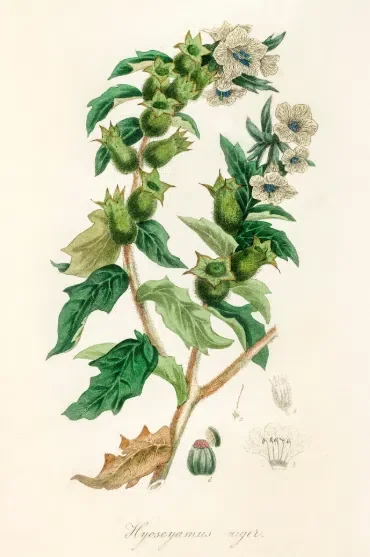
Found in uncultivated land and along pathways, this plant is recognized by its yellowish flowers veined with purple and its strong odor. High in alkaloids, it has been used as an antispasmodic, sedative, and analgesic to alleviate pain, spasms, and certain nerve disorders.
Lavender Aspic (Lavandula Latifolia)
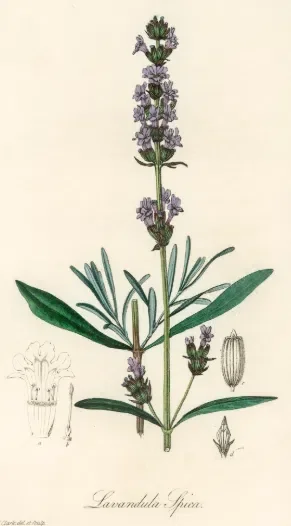
Growing in Mediterranean hills and garrigues, Lavender Aspic is identifiable by its long, narrow leaves and fragrant purple spike flowers. It has relaxing, calming, antispasmodic, antiseptic, healing, and respiratory properties.
Flax
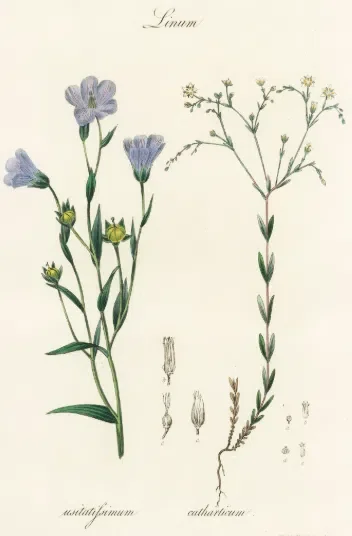
This cultivated plant features slender stems, narrow leaves, and blue or white flowers. It is used for digestive support, skin care, as a gentle tonic, and in external applications.
Mandrake
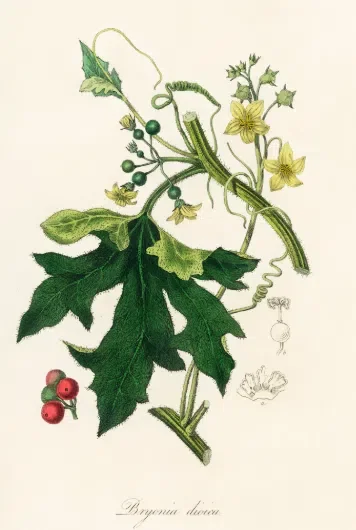
Native to rocky Mediterranean terrains and woodlands, Mandrake is recognized by its broad, fleshy leaves and purple flowers. Historically, it has been utilized as a calming, soporific, antispasmodic, analgesic agent, and is used externally (toxic plant).
Menyanthes
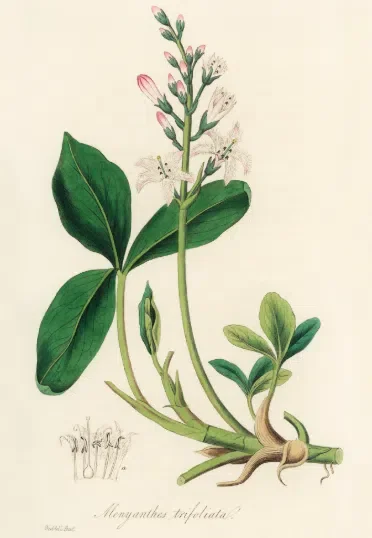
This plant thrives in peat bogs and wet areas, characterized by its three-leaflet leaves and star-shaped white or pink flowers. It possesses bitter and tonic properties, aiding digestion, appetite, liver support, and bile function. It also helps to relieve mild digestive issues and moderate fatigue.
Horse Chestnut
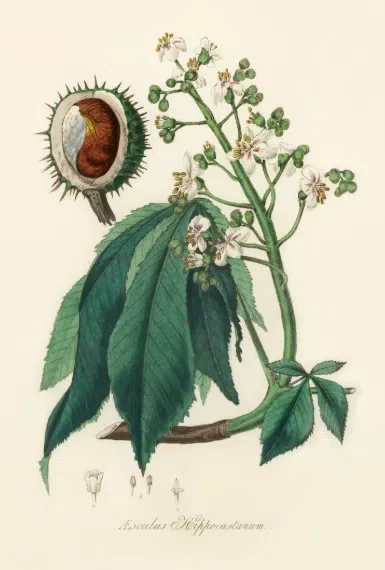
This majestic tree can live for over 1,000 years, recognized by its large leaves, delicate flowers, and iconic fruits. Its seeds and bark are beneficial for venous circulation support and relieving heavy legs.
Dyer's Madder
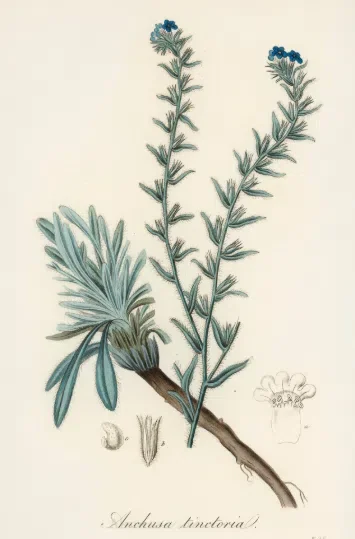
Found along coasts and rocky shores, this plant resembles a fruticose lichen, often bluish-gray to purplish in color. It supports the respiratory system, exhibiting mild antiseptic and tonic properties.
Field Elm
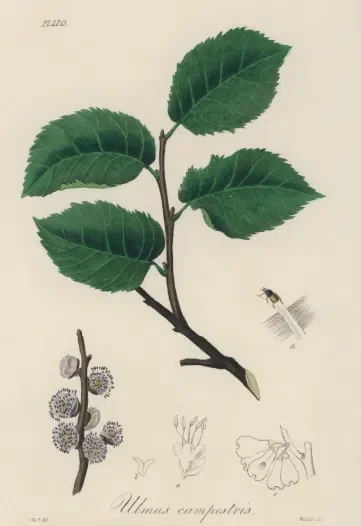
Common in rural areas, hedges, and along pathways, the Field Elm is considered a good luck charm, recognizable by its rough leaves and cracked bark with age. It has emollient, purifying, and anti-inflammatory properties, alleviating skin conditions, inflammation, and joint or rheumatic issues.
Poison Hemlock
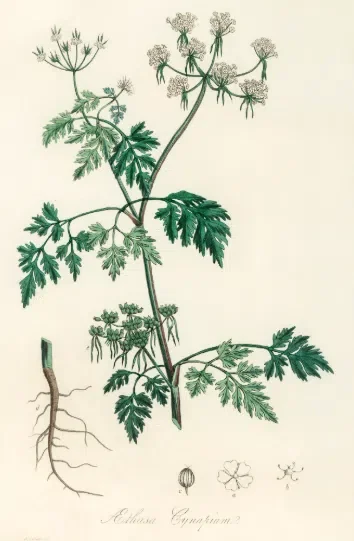
This plant thrives in gardens, cultivated fields, and moist terrains. It resembles certain edible plants from the Apiaceae family. Toxic in nature, it has been used in very low doses for its sedative and antispasmodic effects.
Dandelion (Taraxacum)
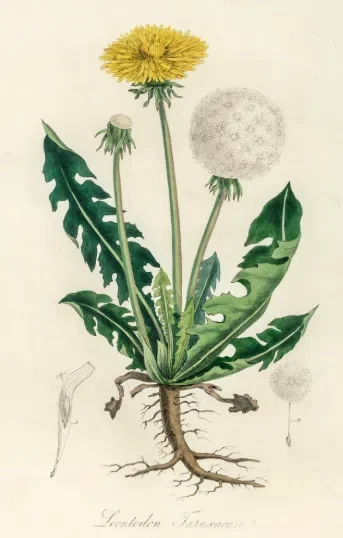
Dandelions grow in meadows, lawns, and along pathways, characterized by deeply toothed leaves, bright yellow flowers, and fluffy seed heads. They support liver and bile functions, act as a natural diuretic, and serve as a general tonic, also used externally.
Gentian Root
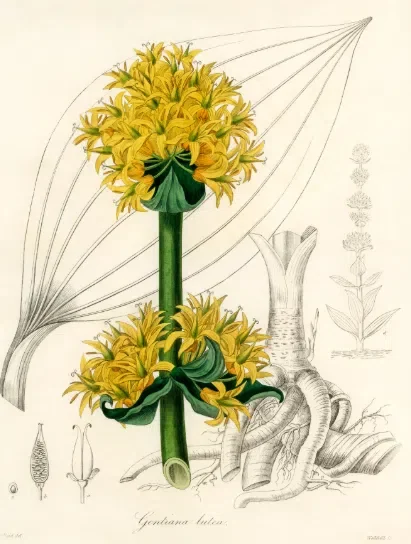
This plant grows in mountainous regions and European meadows, recognized by its opposite broad leaves and tubular yellow flowers. It is used as a digestive stimulant, general tonic, and gentle purgative.
Chinese Rhubarb
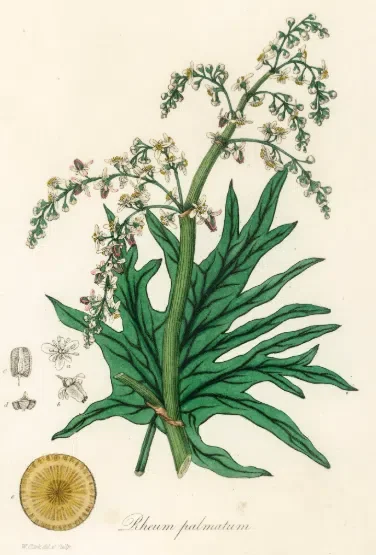
Originating from the mountains and meadows of Asia, its leaves are hand-shaped, and its stems are reddish-green. It helps to facilitate intestinal transit and detoxify the body.
Castor Bean (Ricinus Communis)
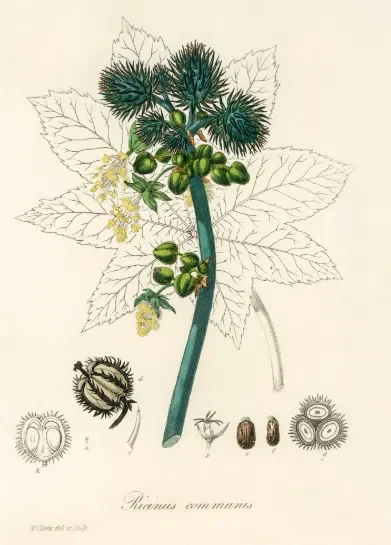
Thriving in tropical and subtropical regions, this plant is recognized for its large, spiky seed capsules. It is known for its laxative properties and is used in various medicinal applications.
Understanding the properties and uses of these medicinal plants can enhance our appreciation for natural remedies and their historical significance in herbal medicine.