Gardening Tips from the Château du Lude: Protecting Your Plants Under the Sun ☀️🌿
This year, the Château du Lude hosts the prestigious Fête des Jardiniers, uniting gardening enthusiasts to share valuable insights on plant care, especially during hot summers.
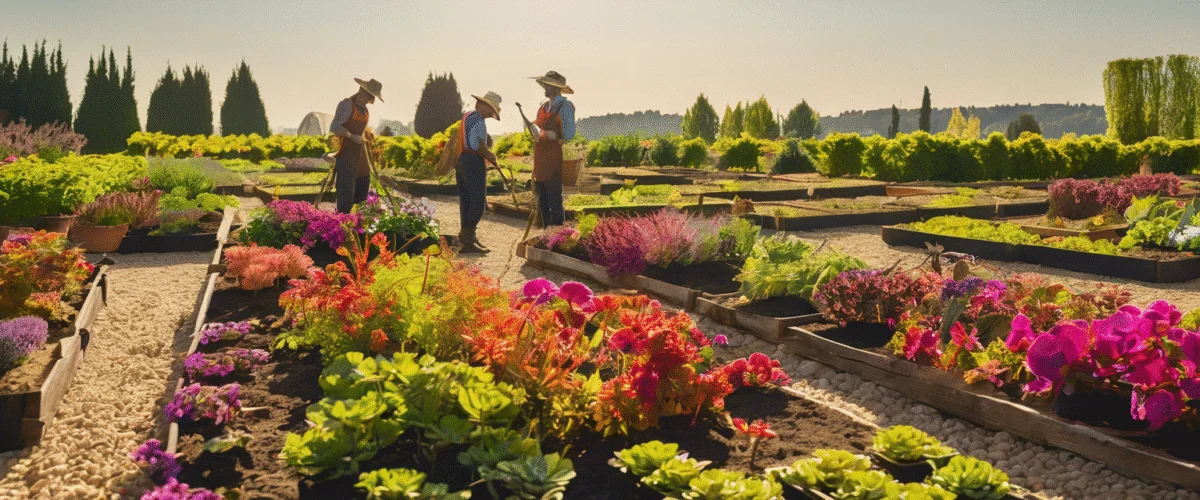
This year, the Château du Lude once again opens its gates to host the prestigious Fête des Jardiniers. This event brings together gardening enthusiasts, from curious amateurs to seasoned experts, creating a vibrant community where knowledge and passion for plants flourish. Attendees can expect a wealth of information on how to preserve and enhance their gardens, particularly in light of increasingly long and hot summers. The festival serves as an ideal platform for learning and sharing insights on plant care and botanical discoveries.
The Essence of the Fête des Jardiniers at Château du Lude
The Fête des Jardiniers at the Château du Lude transcends a mere gathering of plants and flowers; it is a celebration of gardening passion and the art of cultivating beauty. Each year, around sixty exhibitors present an impressive variety of plants, ranging from exotic species to classic favorites. Visitors can marvel at collections of roses, rare perennials, majestic fruit trees, and aromatic herbs.
This event also provides an invaluable opportunity for novices to learn directly from professionals. Amidst the welcoming atmosphere of the château's park, a breeze of knowledge encourages exploration and exchange among attendees.
For plant lovers, this is a chance to discover the latest trends in the botanical world. Exhibitors highlight the importance of quality tools for effective and sustainable gardening. Well-known brands like Gardena, Fiskars, Botanic, and Truffaut showcase their latest innovations, delighting visitors.
In addition to the diverse array of plants and equipment, the festival is known for its engaging workshops. Participants can roll up their sleeves and learn practical techniques for caring for their cherished plants. From grafting techniques to creating fertile soil, each workshop immerses attendees in the verdant world of gardening.
The enchanting setting of the Château du Lude and its splendid gardens further enrich the grandeur of this event. Visitors have the unique opportunity to stroll through a historical landscape while gaining invaluable horticultural knowledge. Ultimately, the Fête des Jardiniers is not just a venue for exchange but also a deep dive into the harmonious blend of cultural and natural heritage.
In summary, the Château du Lude serves not only as a backdrop for a gardening gathering but also as a return to roots for many, preserving botanical and cultural legacies for future generations.
Foolproof Tips for Protecting Plants from the Sun
As summer's scorching rays intensify, gardeners face a significant challenge: how to maintain the freshness and vitality of their plants. Experts gathered at the Fête des Jardiniers shared some tried-and-true techniques for safeguarding plants during heat waves.
First and foremost, did you know that mulching is a secret weapon for seasoned gardeners? By covering the soil with organic materials such as straw, wood chips, or grass clippings, you not only retain soil moisture but also create a barrier against direct sunlight. This proven method benefits both the soil and the roots.
Here are some commonly used mulching materials:
- Straw: effective for moisture retention and breaking down into nutrients.
- Pine bark: ideal for acid-loving plants like rhododendrons.
- Dead leaves: a cost-effective and eco-friendly option.
- Wood chips: provide aesthetic appeal while gradually nourishing the soil.
Another strategy to consider is intelligent watering. Instead of frequent surface watering, focus on deep and thorough watering once or twice a week. This encourages plants to develop deeper, drought-resistant roots. Preferably, use a drip irrigation system, ideally provided by brands like Castorama or Leroy Merlin.
Temporary shading is also essential. A garden umbrella, shade sails, or even a simple UV protection net can provide the necessary shelter for plants during the hottest hours. Some gardeners also prefer to plant shrubs along the edges of their flower beds to offer natural and elegant shade.
Lastly, always keep an eye on the lunar calendar. Many agree that certain pruning and gardening tasks can be optimally performed according to the moon phases, an ancient knowledge that remains valuable today.
In conclusion, protecting plants from the sun's harshness involves a combination of smart practices and adaptations to climatic conditions. The advice exchanged during the Fête des Jardiniers serves as valuable tools in this strategic partnership between humans and nature.
Choosing Heat-Resistant Plants: An Art in Itself
With climate change, selecting suitable plants is crucial for ensuring a flourishing garden even under the scorching summer sun. The Fête des Jardiniers at Lude offers experts a platform to share their recommendations on species to prioritize in these conditions.
Opting for heat-resistant plants guarantees a garden that thrives even during extreme heat. Succulent varieties, for instance, are perfect for both novice and expert gardeners looking to maintain greenery even in the harshest summers. Cacti, aloes, and agaves frequently top the list.
- Cacti: Typically robust, they store water in their stems, allowing them to survive intense heat.
- Aloes: Besides their medicinal properties, aloe vera is incredibly easy to care for.
- Agaves: With their thick, pointed leaves, they add an exotic flair while being resilient.
Among shrubs and trees, olives and lavenders are particularly favored for their natural resistance to arid climates. Their silvery foliage adds a Mediterranean charm to gardens and requires minimal maintenance once established.
Here is a summary table of heat-resistant plants:
| Type of Plant | Name | Advantage | |---------------------|-----------|--------------------------------| | Succulent Plants | Cactus | Effective water storage | | | Aloe | Easy to maintain | | | Agaves | Exotic appearance | | Trees/Shrubs | Olives | Drought resistance | | | Lavenders | Low maintenance required |
Certain companies like Jardiland and Truffaut offer a wide selection of these varieties in their stores and online, making these botanical gems accessible to anyone wishing to enhance their garden despite climate challenges.
In short, selecting heat-resistant plants is a wise decision for any gardener aiming to combine beauty with sustainability. Once the benefits are understood, it becomes hard to overlook this choice.
Secrets of Plant Hydration in Summer
As temperatures rise, ensuring proper hydration for plants becomes a top priority for the discerning gardener. Despite numerous efforts, some plants still seem perpetually thirsty. At the Fête des Jardiniers du Lude, the theme of efficient irrigation was a focal point of many workshops and discussions.
Effective hydration is a delicate balance between art and science. One of the secrets lies in the timing of watering. Water your plants early in the morning or late in the evening when the sun is at its lowest. This reduces evaporation and ensures that roots absorb water effectively.
For maintaining moisture, simple tools like plastic bottles can be beneficial. By drilling a few small holes in the cap and cutting off the bottom, you can insert the bottle upside down into the soil near your plants. This creates a slow yet consistent irrigation method throughout the day.
- Watering in the early morning or at dusk.
- Using automated drip irrigation systems.
- Installing rainwater collection systems nearby.
Exploring this topic also involves consulting clever tips that help you water your plants responsibly. Suitable for any type of garden, these solutions ensure healthy growth while contributing to water conservation.
Biodiversity in the Garden: Creating an Ecological Balance in Your Green Space
Beyond daily plant care, preserving biodiversity is a crucial aspect of modern gardening. At the Fête des Jardiniers, the concept of garden ecosystems was highlighted by several speakers, explaining how to attract and maintain beneficial wildlife while harmoniously managing flora.
Establishing dedicated biodiversity zones in a garden not only promotes a healthy coexistence between flora and fauna but also ensures preserved harvests and a balanced environment, resembling a small green oasis.
Here are some ideas to encourage biodiversity:
- Install insect hotels to attract pollinators like bees and butterflies.
- Leave an area of the garden unmown to promote wildflower growth.
- Create water points to attract birds and other small animals.
Companies like Plantorama and Calambour specialize in products that facilitate the establishment and maintenance of such natural installations.
A comparative table of the advantages related to promoting biodiversity might look like this:
| Action | Biodiversity Benefits | |-----------------------|--------------------------------------------------| | Installing insect hotels| Boosts pollination and flower production | | Wildflower zones | Promotes the rehabilitation of natural spaces | | Water points | Attracts a diversity of local wildlife |
By focusing on biodiversity, every gardener contributes to preserving the balance of nature. This approach is at the heart of new gardening practices that prioritize environmental respect and species harmony.
Sharing such knowledge during the Fête des Jardiniers encourages participants to view their gardens in a new light: not merely as aesthetic spaces but as rich and vibrant ecosystems.