Exploring Cerastostigma willmottianum: The Charming Blue Shrub
Discover Cerastostigma willmottianum, also known as Willmott's Plumbago, a charming blue shrub that thrives in dry soils and offers stunning autumn colors.
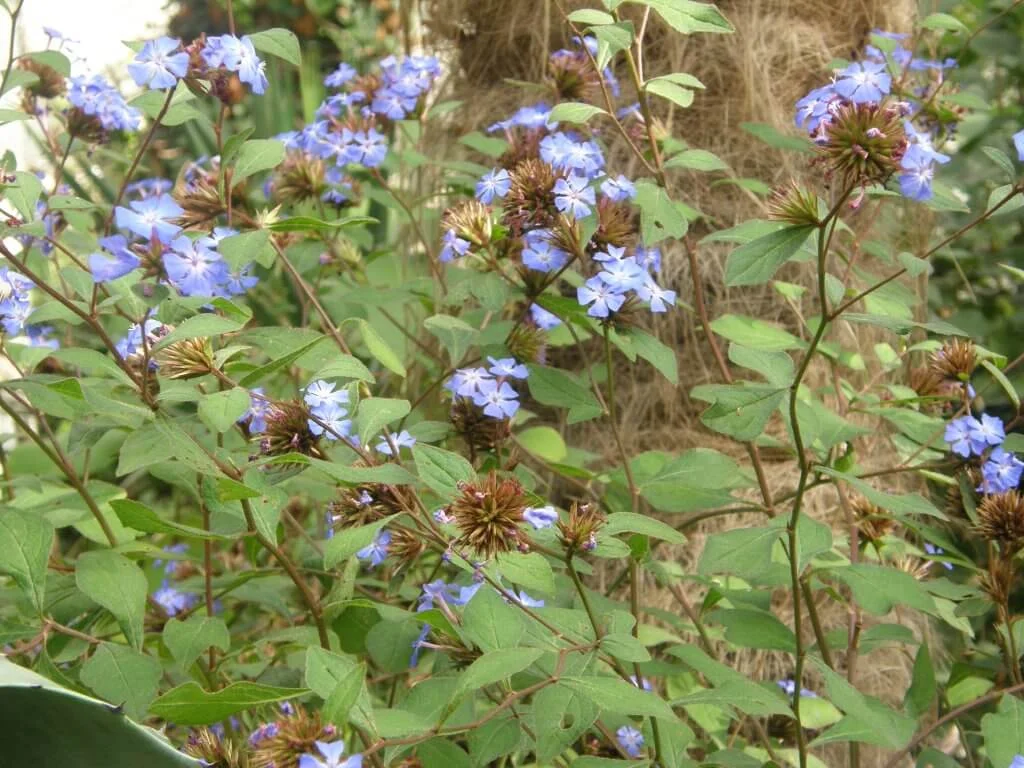
Cerastostigma willmottianum, commonly known as Willmott's Plumbago, Chinese Plumbago, or La Dentelaire, has long captivated gardeners. Although it was previously categorized under the genus Plumbago, botanical authorities have since reclassified it, yet its allure remains undiminished within the family Plumbaginaceae.
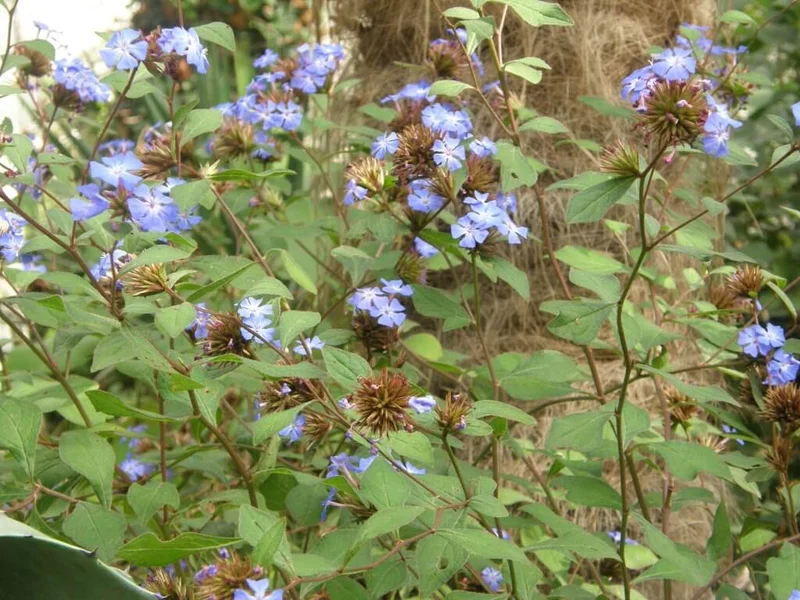
The species name pays tribute to Ellen Willmott, a dedicated gardener, and its botanical name translates to 'horn-shaped pistil.' This small shrub is native to China and exhibits a naturally oval shape, typically reaching about 1 meter in height and 1.5 meters in diameter. Pruning after winter to remove any dead wood can promote healthier growth.
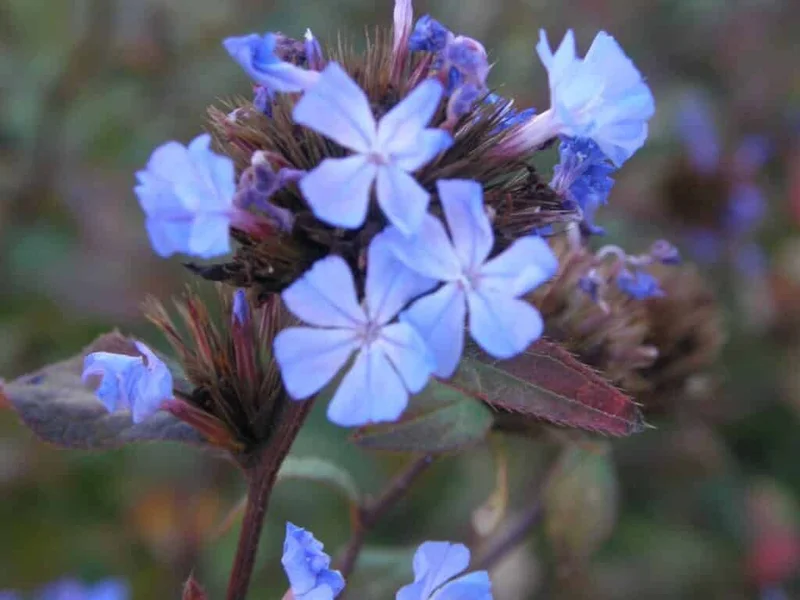
Flowering from May to October, Cerastostigma willmottianum showcases pale blue flowers against foliage that takes on a reddish hue as temperatures drop in autumn. While it can withstand temperatures as low as -15°C, its semi-evergreen leaves may be lost during prolonged cold spells.
This shrub thrives in relatively dry, calcareous soils and is particularly stunning when planted in rock gardens or on slopes. In the warmer regions of southern France, it benefits from partial shade during the summer months. Cultivating it in pots is also feasible, but be prepared for frequent watering in the summer.
There are varieties with yellow foliage, though they tend to offer less visual interest as the flower color appears less vibrant.
In summary, Cerastostigma willmottianum is easy to grow and adds a delightful splash of blue to gardens. It pairs beautifully with gray foliage and other plants featuring pink or yellow flowers, including shrubs and perennials. Consider combining it with sea thrift, lavender, cistus, Hypericum olympicum, and other attractive plants to create a stunning display.