Essential Tools for a Well-Maintained and Functional Garden
Creating a well-maintained garden doesn't require vast spaces or expensive tools. Learn about essential gardening tools that promote efficiency and satisfaction in your gardening tasks.
Maintaining a beautiful garden doesn't necessarily require vast spaces, rare plants, or expensive solutions. Often, the key lies in consistency, good habits, and, most importantly, the right tools.
A neat lawn, well-kept hedges, tidy flower beds, and healthy plants demand attention throughout the year. Therefore, selecting essential gardening tools is the first step toward working more efficiently, with less effort, and achieving satisfying results.
You don’t need a shed full of professional equipment. A well-chosen basic toolkit that suits your specific gardening needs is sufficient to get started. This guide has been created in collaboration with Meta Utensili, an online hardware store specializing in gardening tools and more.
Basic Hand Tools
Among the must-have tools are basic hand tools. They are simple, versatile, and useful for many daily tasks.
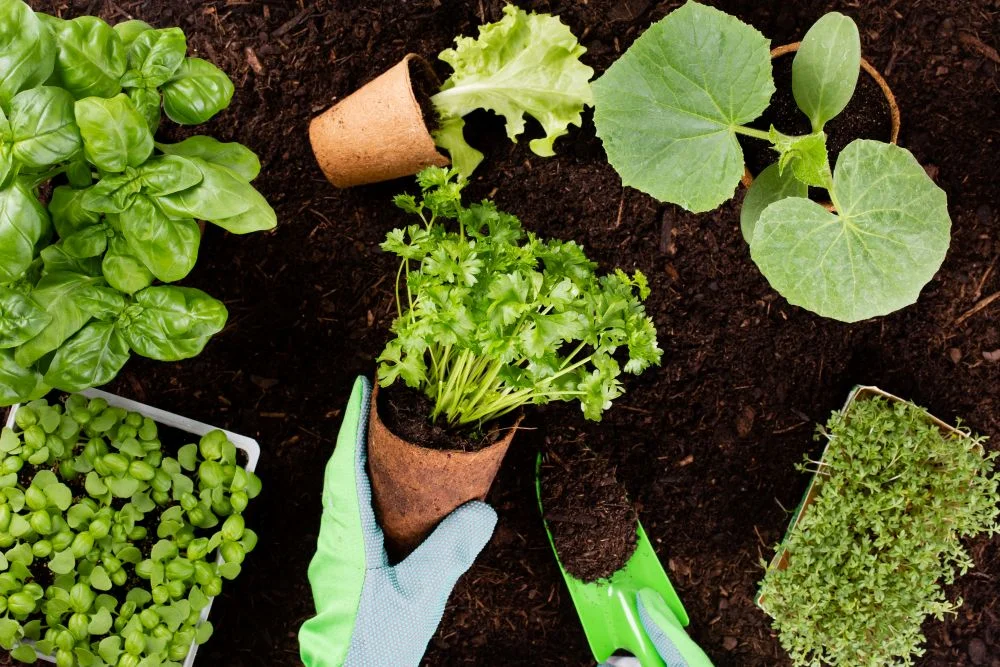
The gardening trowel is essential for planting flowers, small shrubs, herbs, and potted plants. It allows for precise soil work, especially in flower beds or tighter spaces.
The rake is another fundamental tool. It helps gather fallen leaves, level soil, remove plant debris, and keep green surfaces clean. In gardens with lawns, it becomes particularly useful during autumn or after maintenance work.
A good hoe or a small weeder can also make a significant difference. These tools help aerate the soil, remove weeds, and prepare areas for planting. They are simple yet effective for keeping the soil clean and well-aerated.
Pruning Shears and Clippers
Pruning is one of the most important tasks for keeping plants healthy. Dead branches, wilted flowers, and damaged parts should be removed with the right tools to avoid imprecise cuts that can weaken the plant.
Pruning shears are essential for small branches, roses, ornamental plants, herbs, and shrubs. It’s important to choose comfortable, durable shears with sharp blades. If you need a more practical tool for frequent tasks or thicker branches, consider exploring electric pruning shears.
For larger hedges and shrubs, hedge trimmers are required. These can be manual or electric, depending on the size of your garden and how often you need to use them. Manual trimmers are sufficient for small jobs, while electric or battery-operated ones are more convenient for larger areas.
An important tip: always clean and dry the blades after use. This practice prolongs their lifespan and reduces the risk of transmitting diseases from one plant to another.
Gardening Gloves: Simple Yet Essential
Often overlooked, gardening gloves are among the most useful accessories. They protect hands from thorns, dirt, cuts, insects, and minor scrapes.
The choice of gloves depends on the type of work. For light tasks, such as transplanting or caring for pots, soft and flexible gloves are suitable. For pruning, cleaning thorny bushes, or heavier work, it’s better to opt for more durable gloves, perhaps reinforced at the palms and fingers.
A good pair of gloves makes the work safer and more enjoyable, especially when spending extended periods outdoors.
Irrigation: Hose, Watering Can, and Useful Accessories
A beautiful garden is also one that is properly watered. Water distribution should be done carefully, avoiding waste and excess.
The watering can remains an indispensable tool for pots, planters, delicate plants, and small home gardens. It allows for precise water dosing and is ideal for those with a balcony, terrace, or small garden.
For larger areas, a garden hose with an adjustable nozzle is useful. The ability to modify the spray allows for irrigation tailored to lawns, flower beds, hedges, and more delicate plants. Depending on the size of your garden, it may be beneficial to consider various irrigation accessories to simplify and organize water management.
For those seeking more convenience, a small automatic irrigation system can be beneficial, especially during summer or when frequently away from home. While not always necessary, it can help maintain garden health consistently.
Lawn Mowers and Tools for Grass
For those with a lawn, the lawn mower is one of the most important tools. Regular mowing keeps the grass tidy, promotes even growth, and enhances the overall appearance of the garden.
The choice of model depends on the area. A compact electric mower may suffice for small gardens, while larger spaces might require a battery-powered or gas mower.
In addition to the mower, a brush cutter or edger can be useful, especially for finishing touches in hard-to-reach areas: along pathways, corners, walls, fences, and around trees.
These details significantly affect the final look. A well-mowed lawn can appear neglected if the edges are not maintained.
Wheelbarrow and Transport Containers
When gardening, there’s always something to move: soil, leaves, branches, pots, bags of fertilizer, decorative stones, or pruning waste.
For this reason, a wheelbarrow is very helpful in medium to large gardens. It aids in transporting heavy materials without too much strain and speeds up many maintenance tasks.
For smaller spaces, sturdy containers, large buckets, or reusable gardening bags may suffice. The key is to have a practical system for collecting and moving waste materials.
Tools for Garden Cleanup
A top-notch garden is not only one with well-cared-for plants but also an orderly and clean space. Dead leaves, broken branches, weeds, and debris can quickly give an impression of neglect.
In addition to the rake, a broom for outdoor use, sturdy green waste bags, and, in larger gardens, a blower can be beneficial. The blower allows for quick collection of leaves and debris, especially on paths, pavements, and areas difficult to clean by hand.
Again, the choice depends on the size of the space and the time one wishes to dedicate to maintenance.
Where to Store Gardening Tools
Having the right tools is important, but storing them properly is equally vital. Tools left outdoors can deteriorate more quickly due to rain, sun, humidity, and temperature fluctuations.
The ideal solution is to set up a dedicated space: a garden shed, an outdoor cabinet, a rack, or even a well-organized corner in the garage.
Tools should be cleaned after use, dried, and stored neatly. This helps prolong their lifespan and ensures they are easily accessible when needed.
Quality Over Quantity
When starting to care for a garden, one might feel tempted to purchase many different tools. In reality, it’s generally better to begin with a few essential tools, chosen thoughtfully.
A good basic kit might include:
- gardening gloves;
- trowel;
- rake;
- hoe or weeder;
- pruning shears;
- hedge trimmers;
- watering can or garden hose;
- lawn mower, if there’s a lawn;
- containers or wheelbarrow for transport;
- cleaning tools.
With this set, you can handle most routine activities: planting, pruning, watering, cleaning, mowing the lawn, and maintaining your outdoor space in good condition.
Conclusion
The essential tools for a top-notch garden don’t necessarily need to be numerous; they must be functional, durable, and suitable for the type of space being cared for.
Whether it’s a small garden, a green terrace, or a larger lawn, each has different needs, but all require regular maintenance. With the right tools, caring for greenery becomes simpler, more organized, and also more enjoyable.
Investing in quality tools means working better, reducing fatigue, and achieving visible results over time. A well-tended garden always stems from a good combination of attention, consistency, and appropriate tools.