Essential Tips for Choosing the Ideal Pool Cover
Discover essential tips for selecting the ideal pool cover, focusing on safety, aesthetics, and functionality to enhance your swimming experience.
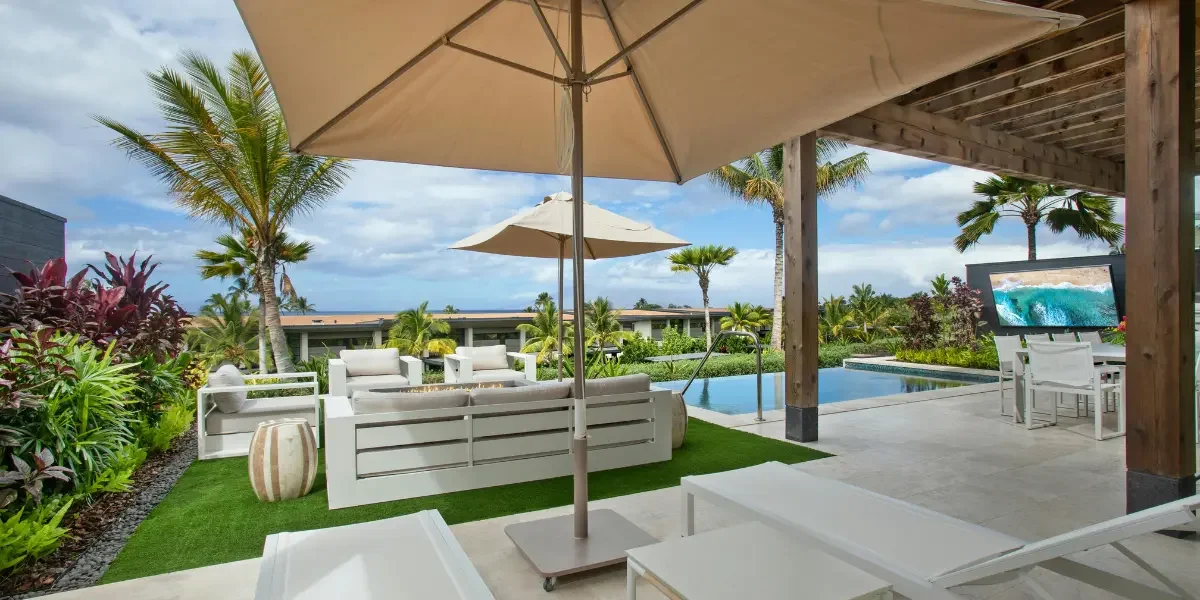
Spending time by a pool can be a true delight as warm weather approaches. However, considerations such as safety, maintenance, and the desire to extend the swimming season make a pool cover a valuable ally. With a myriad of models available, many find themselves overwhelmed when it comes to making the right choice. Let’s explore the essential criteria that will help you select the best pool cover according to your needs and preferences.
Understanding the Importance of Pool Cover Types
Selecting from the various types of pool covers can significantly impact daily use. Depending on your expectations, the shape or height of the cover can drastically enhance the experience by the water. A pool cover is a critical element to consider in this decision.
In some gardens, a low cover provides discretion and thermal insulation, while a taller model can create an entirely new living space adjacent to the pool. Options such as sliding or telescopic covers appeal to those wanting to maximize sun exposure without sacrificing protection or user comfort.

Should You Choose a Flat, Low, Mid-Height, or High Model?
The flat cover offers the advantage of being nearly invisible while effectively protecting the water from debris. A low cover adds slight height, enhancing insulation and reducing heat loss, though it does not allow for standing room beneath the structure.
Mid-height covers strike a perfect balance, providing usable space even in inclement weather while remaining discreet in the surroundings. In contrast, high models completely transform your pool into a covered area accessible year-round.
Telescopic, Sliding, or Fully Opening… What to Choose?
Practicality is essential for daily use: with a telescopic or sliding cover, adjusting the opening becomes easy based on your desires. Some models even offer a full opening feature, allowing complete access to the swimming area on sunny days.
Each system has its advantages regarding manipulation; it’s important to test, compare, and consider integration into the outdoor environment before making a decision.
Key Criteria for Choosing a Successful Pool Cover
Before settling on the first model you find online or in-store, it’s wise to consider several unmissable selection criteria. Adapting the cover to the size of the pool, calculating your budget, and assessing the level of user comfort will help avoid unpleasant surprises.
Aesthetics should not be overlooked: the cover will be installed for several years and will remain a permanent feature. Ensure that it truly matches your tastes and the overall ambiance of your garden.
Summary of Technical Criteria to Analyze
Here’s a practical checklist to guide your thinking:
- Height: do you want to cover the water only or create a usable volume?
- Shape: right angle, rounded, attached, or freestanding?
- Size: exact dimensions of the pool to keep in mind.
- Environmental integration: harmony with the terrace, plants, and home.
- Budget: initial costs, maintenance expenses, and potential options.
- User comfort: opening system and accessibility for daily use.
- Compliance with standards (notably nf p90-309 concerning safety).
By keeping these points in mind, it becomes easier to identify models offering the best value for money without succumbing to fleeting trends.
Aesthetics and User Comfort: How to Combine the Two?
A stylish cover enhances the pool while simplifying life. Manufacturers are competing to offer structures that are sleek, colorful, or completely customizable. Don’t forget to consider the ease of installation to avoid cumbersome work that could dampen the enjoyment.
The practical aspect remains decisive: prefer a user-friendly manipulation, especially if others will frequently open and close the cover.
Choosing the Material: Aluminum, Polycarbonate, Glass, Wood, or PVC?
The choice of material is crucial for creating a cover that is efficient, aesthetically pleasing, and durable. Each option presents specific advantages in terms of robustness, lightness, maintenance, and cost based on individual expectations.
Some materials combine insulation, ease of cleaning, and longevity; others offer a natural charm, perfect for seamless integration into the garden.
Overview of Main Materials Used
Aluminum Resistant to corrosion, lightweight, minimal maintenance Less visually warm than wood
Polycarbonate Excellent thermal insulation, shock-resistant, lightweight May slightly discolor over time
Glass Total transparency, high-end aesthetics Heavier, requires a sturdy frame, higher cost
Wood Natural and warm appearance, harmonious integration Requires regular maintenance, sensitive to moisture
PVC Cost-effective, lightweight, easy to handle Less durable in the long term
Deciding quickly can be challenging: aluminum and polycarbonate tend to dominate among those prioritizing performance and peace of mind. Wood is appealing for its beauty but requires regular attention. Ultimately, the final choice will depend on the desired aesthetics and the budget available for this investment.
Material Insulation and Thermal Performance
If the aim is to naturally heat the water and delay temperature drops, seek materials boasting high thermal insulation. Hollow polycarbonate often stands out due to its ability to create a greenhouse effect, extending swimming duration while minimizing heating costs.

Look for watertight seals and resistant glazing to prevent thermal loss when cold weather arrives. The overall performance plays a significant role in the pool’s medium-term profitability, making this criterion crucial to consider.
Safety, Compliance, and Regulations: What Should You Consider?
Equipping your pool with a cover helps meet safety obligations, significantly reducing the risk of domestic accidents. Families appreciate this added peace of mind in the long run.
The nf p90-309 standard defines the requirements for pool covers: resistance, stability, and secure locking. Ensuring that the chosen product has all necessary certifications guarantees safe and compliant use.
The Importance of Enhanced Safety
Some covers now include automatic closing devices or pinch protection systems suited for children. Others even feature connected alarms or centralized control via smartphone, a significant advantage for households with young children.
Meeting these requirements doesn’t mean sacrificing aesthetics or user comfort: many models successfully combine elegance, ease of use, and remarkable strength.
Consider Installation and Maintenance
It’s best to anticipate the installation of the cover from the outset of the pool project, although many setups can be adapted later. To simplify, kit covers offer an economical solution with step-by-step assembly, sometimes achievable with family or friends.
Maintenance varies by material, with notable differences for wood or glass. Regularly checking fastenings and cleaning surfaces enhances longevity and the clarity of glass or panels, contributing to the overall comfort of use after each swim.
Tailoring Your Choice to Your Lifestyle and Budget
Making the right choice ultimately comes down to finding a balance between performance, aesthetics, safety, and cost. A custom cover may better suit a landscaped terrace, while a kit cover will satisfy quick needs and a controlled budget.
The key is to prioritize a model that aligns with both the reality of the garden and your lifestyle. Investing in quality allows for peaceful years around the pool, not to mention the unique character that a thoughtfully designed cover brings.