Essential Care Tips for Growing Basil: Common Mistakes to Avoid
Basil is a beloved herb in Mediterranean cuisine, but it requires specific care to thrive. Learn about common mistakes to avoid for successful basil cultivation.
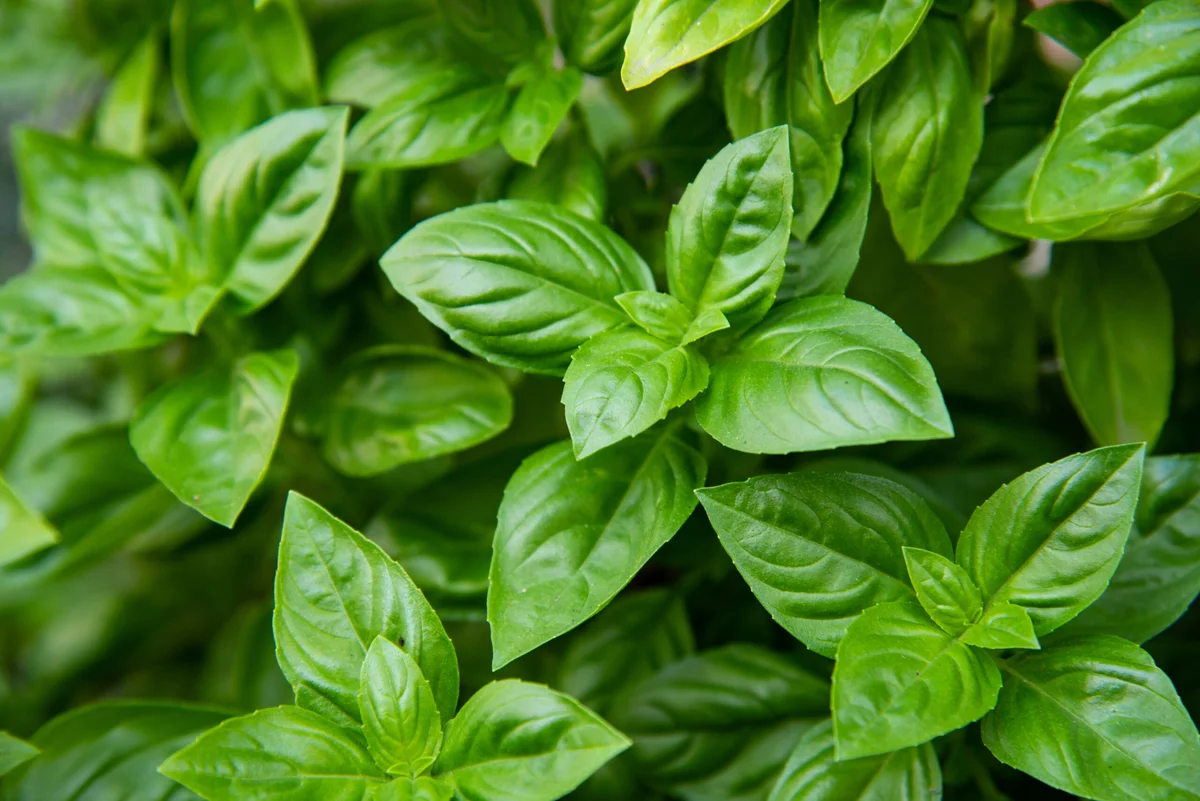
When it comes to basil, many people immediately think of Mediterranean cuisine and regions like Italy or France. However, basil actually originates from the tropical areas of Asia and Africa, which explains its preference for warm conditions and its discomfort in temperatures below 10 degrees Celsius.
Most individuals are familiar with supermarket basil, typically the Genovese variety, which often has a short lifespan. In contrast, basil sourced from nurseries, such as bush basil, red basil, or Thai basil, is specifically cultivated and tends to be more resilient.
There are even perennial varieties like African bush basil. Since basil cannot withstand frost, it’s crucial to bring it indoors after the growing season, placing it in a bright spot with temperatures between 15 and 20 degrees Celsius. Pruning can also be beneficial, as bush basil tends to become woody over time, and trimming encourages bushier growth. Regardless of the type of basil you choose, there are several common care mistakes to avoid.
Mistake 1: Ignoring Temperature Needs During Planting
If you plan to grow basil in your garden or on a balcony, monitoring temperatures is essential, especially in spring and autumn. Given its tropical origins, basil is highly sensitive to cold. When temperatures drop below 10 degrees, the plant experiences stress, halting growth, causing yellowing leaves, and making the roots susceptible to rot. Freezing temperatures can kill the plant overnight. To avoid this:
- Start seeds indoors before transplanting them outside, ensuring the soil is warm enough for direct sowing.
- Only plant basil outdoors after the Ice Saints in May, when frost is no longer a threat.
- Bring your basil indoors before the first cool nights if you wish to overwinter it.
Mistake 2: Improper Watering
Basil has a shallow and delicate root system, making it highly responsive to both drought and overwatering. Proper watering is crucial:
- Avoid overwatering. If the roots sit in water for too long, they can suffer from oxygen deprivation, leading to root rot. Yellow leaves and sudden wilting may occur. Ensure the soil remains loose and well-drained, removing excess water from pots and opting for smaller, more frequent watering sessions instead of one large soak.
- While basil is from warm regions, it does not tolerate drought well. Infrequent watering can cause the leaves to droop, and if the soil dries out completely, the fine roots may die. Aim for consistent moisture, watering in the morning or evening rather than during the heat of midday. Check potted basil daily in summer.
Mistake 3: Using Cold Water for Irrigation
Basil thrives on warmth, which extends to its watering needs. Cold tap water can shock the plant, adversely affecting its ability to absorb water and nutrients.
Allow water to sit and warm to room temperature before using it on your basil. Morning and evening are the best times for watering, as temperatures are cooler then.
Mistake 4: Neglecting Fertilization or Over-Fertilizing
Basil grows rapidly and requires a good supply of nutrients. While it typically needs fertilizer, too much can be detrimental. A lack of nutrients often results in pale or yellow leaves, stunted growth, and diminished flavor. Conversely, excessive fertilization, particularly with nitrogen, can lead to large, soft leaves that lack aroma. Over-fertilized plants are also more vulnerable to pests and diseases, and mineral salts can damage sensitive roots.
Regularly fertilize potted basil every two weeks with a diluted liquid fertilizer suitable for herbs or vegetables. For garden basil, incorporate compost or an organic slow-release fertilizer like horn meal into the soil before planting, and supplement with herb or vegetable fertilizer once or twice during the summer.
Mistake 5: Not Repotting Post-Purchase
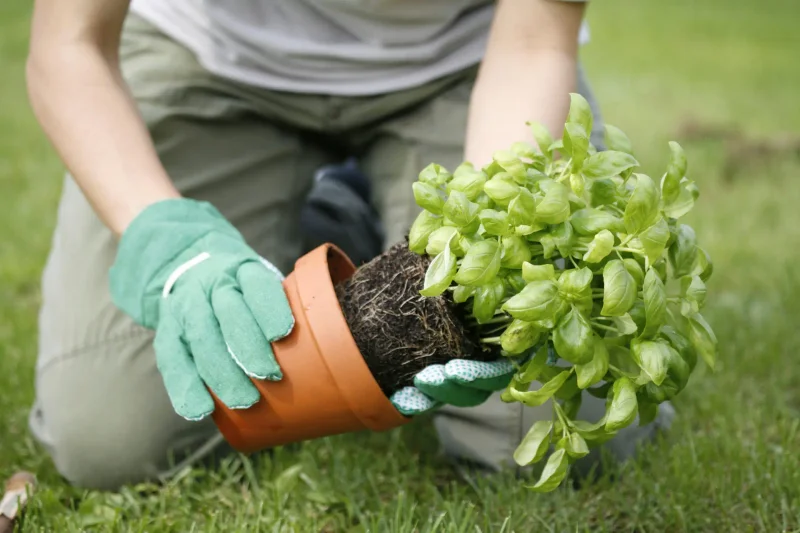
Basil from nurseries usually doesn’t need immediate repotting. However, if you want to extend the life of supermarket basil, it’s essential to provide more space after purchase. Supermarket pots often contain too many young plants competing for space, water, light, and nutrients. Additionally, they often use basic potting soil that is low in nutrients and poorly retains water, leading to rapid decline.
It’s advisable to gently divide the dense root ball into two or more plants and transfer them into larger pots filled with fresh herb or vegetable soil.
Mistake 6: Incorrect Harvesting and Pruning Techniques
A common error during harvesting is plucking only individual leaves, particularly the larger ones from the lower part of the plant. This results in long, bare stems and a plant that becomes leggy and weak. When pruning, it’s important to avoid cutting too deeply or into woody areas, which can kill entire shoots. Failing to prune can cause basil to flower prematurely, which diminishes leaf flavor. Here’s how to harvest correctly:
- Instead of just picking leaves, cut entire shoot tips just above a pair of leaves. This encourages the growth of two new side shoots, making the basil bushier.
- Regular pruning promotes branching, but moderation is key.
- Remove flower buds promptly if you want to prolong leaf harvesting.
- Harvest from the top down, starting with younger shoots to maintain sufficient leaf mass for healthy growth.
Mistake 7: Allowing Flowers to Remain
Flowers can negatively impact the flavor of basil leaves, making them less aromatic or slightly bitter. Additionally, once basil flowers, the plant typically completes its life cycle. To maximize leaf yields, it’s important to remove flower buds early.
Basil tends to flower when it hasn’t been pruned for a while. Regularly harvesting entire shoot tips can delay flowering. Visible buds can be carefully pinched off with fingers or cut with scissors.
For bush and Thai basil, while the flowers are also aromatic and edible, regular pruning is still recommended to promote robust growth.
Mistake 8: Choosing an Inadequate Pot Size
Always use a sufficiently large pot for your basil. As previously mentioned, supermarket basil should be repotted for more space, but this is equally important for bush basil.
- Basil develops many fine roots, and a small pot limits growth potential.
- Insufficient soil volume leads to rapid drying of the root ball, especially in summer.
- Limited soil means fewer nutrients available to the plant.
- Compacted soil in a small pot restricts airflow to the roots, increasing the risk of root rot and mold.
Opt for a pot with a diameter of at least 15 to 20 centimeters, with deeper pots for larger basil varieties. Ensure there are drainage holes and a layer of drainage material to prevent waterlogging.
Mistake 9: Choosing the Wrong Location for Wintering
To ensure your basil survives winter and thrives in the next season, it must be brought indoors at the right time, requiring appropriate light and temperature conditions. Common mistakes include:
- A location that is too dark. Basil needs ample light; insufficient light leads to long, weak stems and pale leaves. A bright south or west-facing window or a grow light can help.
- Air that is too dry. While basil enjoys warmth, dry indoor air can cause leaf curling and increase susceptibility to spider mites.
- A location that is too cold. Ideally, basil should not overwinter in temperatures below 15 degrees. Avoid cold drafts as well.
- Mismatched temperature and light conditions. If basil is warm but receives inadequate light, it may grow thin and unstable. Conversely, a bright but cold location can weaken the plant.
Perennial basil varieties like African bush basil are particularly well-suited for wintering, while annual types are less likely to survive.
Mistake 10: Neglecting Pest Control
Basil's tender leaves make it appealing to various pests. Since you intend to consume the herb, early detection of infestations is crucial.
Common pests include aphids, whiteflies, spider mites, and thrips, especially in indoor settings during winter. Outdoors, basil is often targeted by snails.
Regularly inspect your plants to prevent unnoticed pest outbreaks. If you spot an infestation, act quickly. In winter, maintaining adequate humidity and good air circulation is vital. Remove heavily infested leaves and gently rinse the plant with lukewarm water. For severe infestations, consider using appropriate biological pest control methods or beneficial insects.