Engaging Children with Nature through Gardening
Discover how to engage young children with nature through gardening. Learn effective strategies and tips from professionals and volunteers to create meaningful gardening experiences for kids.
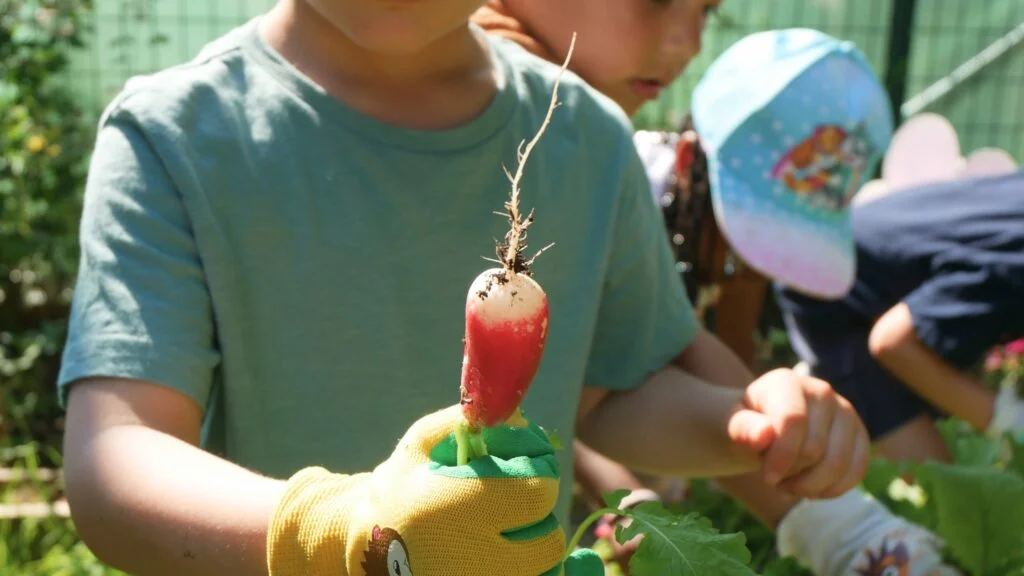
As the warmer days approach, many are eager to introduce children to the wonders of nature through hands-on gardening experiences. However, how can one effectively communicate with young children to ignite their curiosity and keep their senses engaged? Here are insights from professionals in child education and volunteers from Jardinot who share valuable practices to consider before diving into this rewarding endeavor!
✍️ Milena Bauchet • 📸 Jardinot
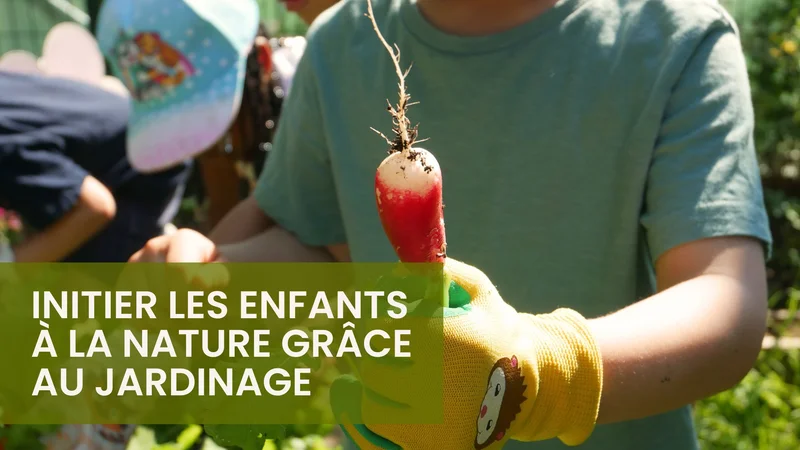
André, a volunteer at the Vaires-sur-Marne school garden (77).
Overview
🧒 Little Gardeners, Big Adventures! Insights from Marianne, Early Childhood Educator
👣 First Steps in Conducting a Workshop for Children
♣️ Seasonal Workshops Approved by Elodie, Head of Animation at Jardinot
👂 Five Tips from Élodie to Successfully Engage Children
✉️ Experiences from Marie-Lyne, Volunteer and Coordinator of Garden Centers in Montlouis-sur-Loire
🫴 Tailored Support for Volunteers and Aspiring Helpers
🧒 Little Gardeners, Big Adventures! Insights from Marianne, Early Childhood Educator
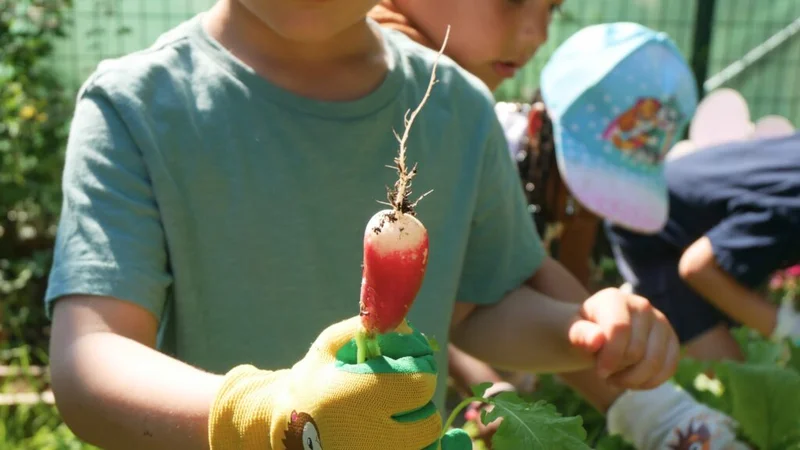
“What's the aim of a gardening project for children aged 2 to 3? The little ones can manipulate soil, plant seeds, touch, and smell new scents from aromatic plants, and observe the transformation of vegetables. They learn when to harvest or eat them.
Organizing awakening workshops around the vegetable garden through hands-on activities allows us to guide children in discovering their five senses and enhance their grasping and coordination skills. Exploring natural elements (water, earth, sun...) and garden products helps them develop patience and curiosity. Through gardening, we teach children to respect themselves, others, and nature. They take on responsibilities by caring for their plants.”
Marianne, Early Childhood Educator
👣 First Steps in Conducting a Workshop for Children
1| Finding a Location
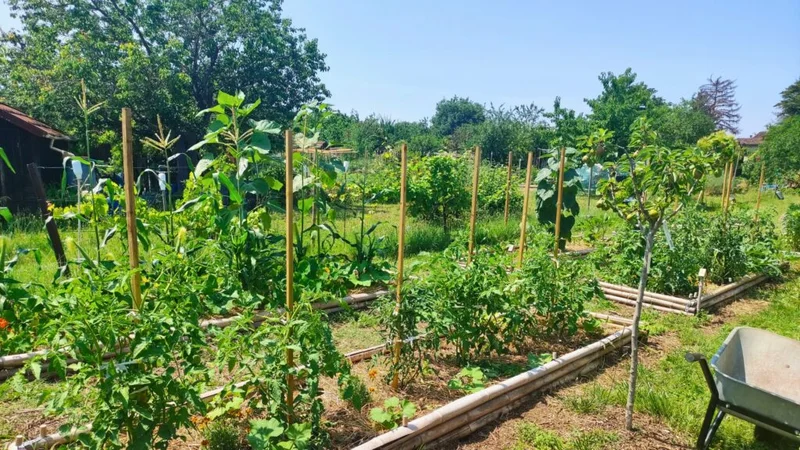
As a volunteer with Jardinot, you can organize activities for children in your garden center, either on your own plot or on another member's plot with their permission. Ensure the plot is spacious enough for children to move around without damaging the garden.
If a suitable plot isn't available, consider asking your local council for access to a municipal plot, either temporarily or permanently. Additionally, some schoolyards have unused green spaces that can be perfect for gardening activities; even a few square meters can suffice!
If the weather turns unfavorable, have a backup plan! You can organize an indoor activity in a room provided by the municipality, a Jardinot garden center, an association house, or a classroom available on weekends.
2| Assemble a Team
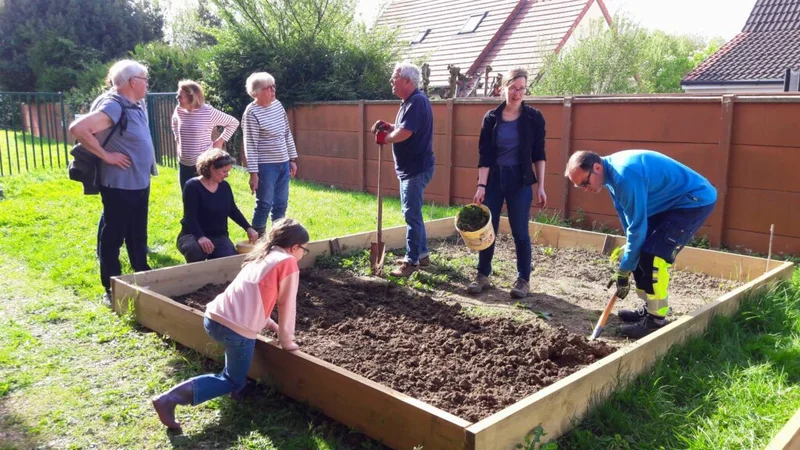
Don't worry, leading a gardening workshop as a volunteer doesn't mean you're on your own! In fact, working in a team is more enjoyable and allows for a smoother experience through shared responsibilities.
Examples of Roles
🔸 Welcome participants 🔸 Prepare the materials 🔸 Act as the facilitator 🔸 Assist the facilitator during hands-on activities 🔸 Prepare a snack for the children 🔸 Clean up and tidy the area after the workshop 🔸 Take photos during the workshop (with parental consent)
3| Plan Your Activity
Once the location and team are sorted, there's still much to do to create a fun, interactive, and meaningful workshop! But where to start?
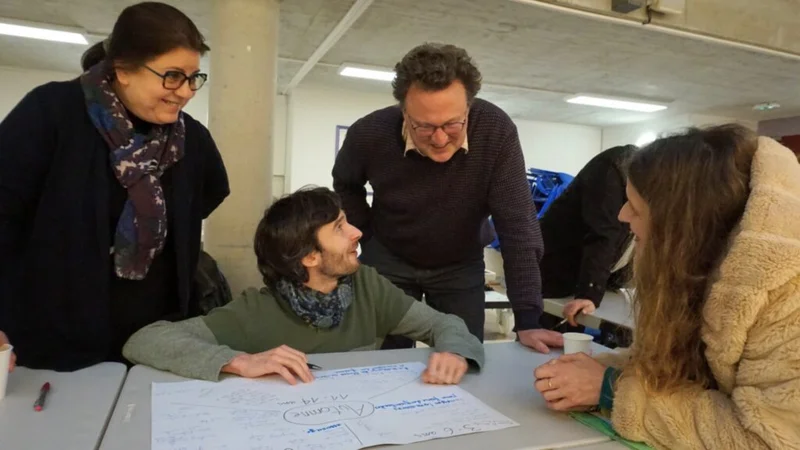
First, draft a plan to anticipate the flow of your activity. This will help you feel more at ease on the day: know what to say, how to say it, when to say it, and ensure the materials are ready...
The Four Phases of a Children's Gardening Workshop
🔸 Welcome (10 to 15 min): Children settle in, introductions are made, and the workshop theme is introduced, possibly over a snack.
🔸 Theory (10 to 30 min): Children explore the garden, discovering nature through play, drawing, and writing new words, ensuring everyone understands. Open-ended questions suitable for their level encourage participation.
🔸 Practice (30 min): Kids engage in hands-on activities individually, in pairs, or groups. Assign tasks to ensure everyone participates while providing encouragement and addressing questions.
🔸 Conclusion (10 to 15 min): The facilitator summarizes the theme and answers final questions. Reading a related book can help transition to the next activity and spark children's imaginations.
The workshop theme and the approach taken (speech, educational materials) should be tailored to the children's age, the season, the weather, and the time available.
Unlike adult workshops, children require more hands-on time due to their shorter attention spans; they are often eager to dig in! Therefore, it’s best not to exceed 10 minutes of theory for preschoolers, 20 minutes for elementary students, and 30 minutes for middle schoolers.
♣️ Seasonal Workshops Approved by Elodie, Head of Animation at Jardinot!
Spring
🔸 Sow vegetable plants (e.g., lentils, beans, peas) 🔸 Sow flowers (e.g., marigolds, nasturtiums, which are easy to grow) 🔸 Plant herbs 🔸 Create a flower herbarium
Summer
🔸 Observe and identify plants, insects, and birds 🔸 Organize a treasure hunt for natural elements: by color, size, shape... 🔸 Harvest fruits and vegetables from the garden into baskets 🔸 Cook the harvest and enjoy a snack together
Autumn
🔸 Draw with leaves, branches... on paper or directly on the ground 🔸 Create compost 🔸 Mulch around plants 🔸 Build an insect shelter: birdhouse, bundle of wood, stone pile...
Winter
🔸 Make a bird feeder 🔸 Create a seed envelope or origami flower 🔸 Paint stones, pots, birdhouses, labels... 🔸 Craft holiday decorations using natural materials
Year-Round
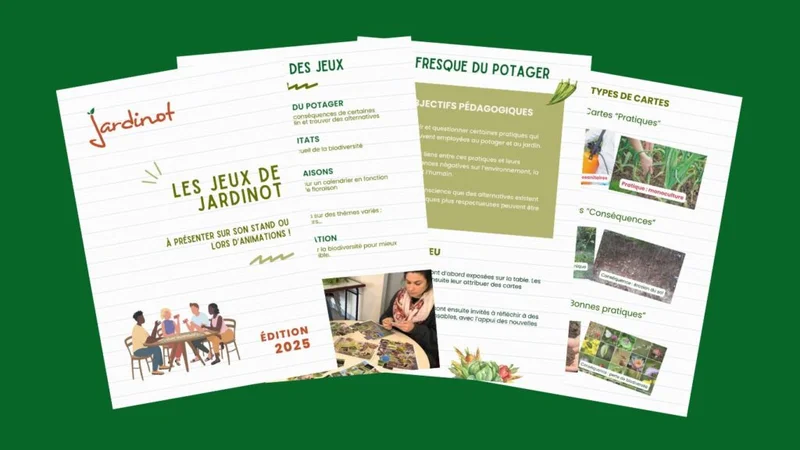
🔸 Discover the garden's fauna and flora through Jardinot's games, available in your Volunteer Space!
👂 Five Tips from Élodie to Successfully Engage Children
Moreover, public speaking and group management are crucial. Speaking clearly, taking breaks, articulating, changing posture, and moving around are all effective methods to capture and maintain children's attention!
Élodie's Tips
🔸 Get down to the children's level to make them comfortable 🔸 Clearly explain the activity's purpose at the start to motivate them 🔸 Offer fun workshops in a game format 🔸 Adapt to each child's memory style, whether visual, auditory, or kinesthetic 🔸 Use humor!
And What About Safety?
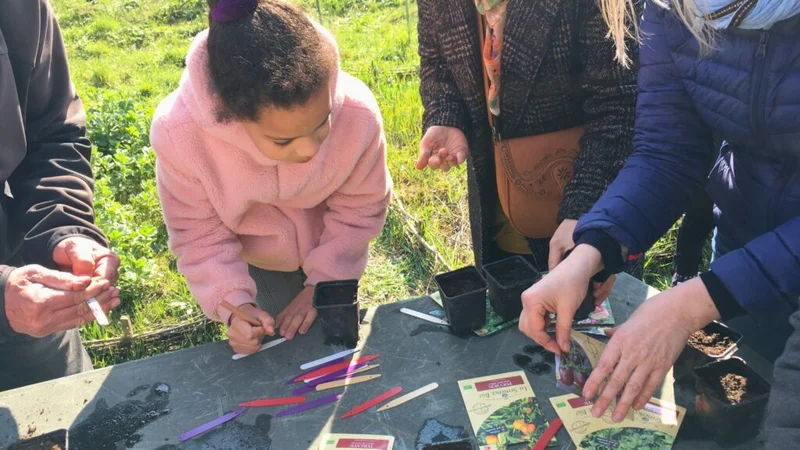
Finally, remember that you are fully responsible for the children during the workshop. It's essential to have a basic understanding of safety before managing a group to prevent accidents and know how to respond if one occurs. Always remind children of basic safety rules before starting each workshop: shoes, gloves, posture, etc. Additionally, use gardening tools that are appropriate for children's size and ergonomics. Consider installing or even building raised garden beds at their height so they can easily sow seeds and harvest vegetables safely, as seen in our school gardens!
✉️ Experiences from Marie-Lyne, Volunteer and Coordinator of Garden Centers in Montlouis-sur-Loire
“I set clear expectations from the moment the children arrive, establishing rules of kindness: participation, listening, respecting the space and others, and helping one another. When possible, I form small groups (ideally 5 maximum) and try to have helpers. These helpers, even without gardening experience, can assist in managing the children and activities. During activities, I aim to include tastings (of fruits, herbs, etc.). I encourage children to continue the experience at home by bringing back plants, seeds, or flowers to care for, or by providing summary sheets of the workshop to replicate activities at home.”
Mary-line, volunteer at the Montlouis-sur-Loire school garden (37).
🫴 Tailored Support for Volunteers and Aspiring Helpers
If you have questions or face challenges in designing and organizing your activities, Jardinot is here to assist: feel free to reach out at [email protected], and we will address all your inquiries! We can also help you find volunteers in your area, ensuring you are well-supported in developing and implementing your workshop project.
Additionally, Jardinot offers regular free training sessions open to everyone to master all aspects of animation. These sessions are accessible to anyone looking to enhance their skills, whether they are beginners or more experienced.