Eisheiligen: Protecting Your Plants in 2026
As gardeners feel the urge to plant in April, the Eisheiligen remind us to be cautious of frost in May. Learn about their dates in 2026 and how to protect your plants.


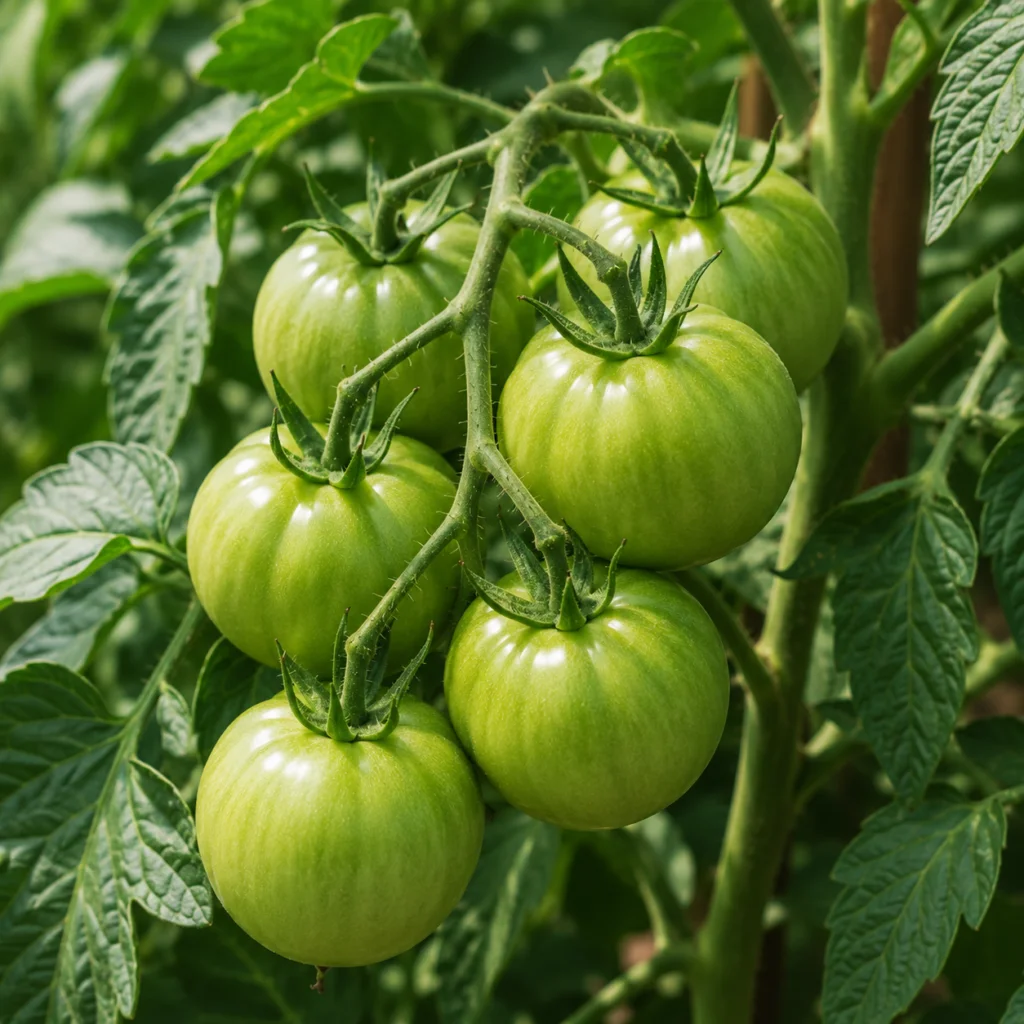
As April ushers in warmer sunshine and the crocuses in our gardens have long faded, gardeners feel the irresistible urge to dig into the soil and finally transplant their lovingly nurtured tomatoes. However, an old farmer's adage warns us to be cautious of the Eisheiligen, or "Ice Saints," as May often surprises us with lingering frost. Each year, many wonder: When do the Eisheiligen end, and when is it safe for our delicate plants?
This article will cover everything essential about the Eisheiligen, their dates in 2026, the significance of "Kalte Sophie," and how these few days in May can determine your gardening success or failure.

Dates of the Eisheiligen in 2026
Every spring, uncertainty looms over the gardening community regarding the Eisheiligen. Gardeners often ask when they need to bring their potted plants indoors at night and when the soil will be warm enough for sowing. Traditionally, the Eisheiligen occur in the same timeframe each May. In 2026, this critical period will take place from May 11 to May 15.
In Germany, Austria, and Switzerland, the following dates are recognized:
- Monday, May 11, 2026: Mamertus
- Tuesday, May 12, 2026: Pankratius
- Wednesday, May 13, 2026: Servatius
- Thursday, May 14, 2026: Bonifatius
- Friday, May 15, 2026: Sophia (the Kalte Sophie)
Who Are the Eisheiligen?
The names associated with the Eisheiligen refer to Christian bishops and martyrs from the 4th and 5th centuries, who had little connection to weather phenomena during their lifetimes. Their designation as "Ice Saints" stems from the statistical occurrence of cold snaps during this time. After a stable warm phase in April, cold polar air often sweeps into Central Europe. With clear skies at night in May, the warmth of the day dissipates rapidly, leading to dangerous ground frost. This period serves as a significant test for those establishing a self-sufficient garden.

The Kalte Sophie: The Icy Conclusion of the Eisheiligen
Kalte Sophie, marking the end of the Eisheiligen on May 15, is particularly noteworthy. As the only female figure among the frost saints, she symbolizes the moment many gardeners await. Once Kalte Sophie has passed, the likelihood of nighttime frosts significantly decreases. After this date, a well-known guideline applies: all frost-sensitive plants can be safely moved outdoors. This includes your cherished warm-weather favorites such as:
- Vegetables: Tomatoes, peppers, eggplants, chilies, and cucumbers (consider a greenhouse for tomatoes for added protection).
- Flowers: Gladiolus, zinnias, and the planting of dahlias are much safer after the frost threat.
- Herbs: Basil, coriander, and marjoram.
Eisheilige Farmer's Wisdom: Time-Tested Knowledge for Modern Gardeners
Our ancestors observed nature closely, as a failed harvest could be devastating. From these observations, various farmer's sayings about the Eisheiligen have persisted. One of the most famous is:
- “Pankraz, Servaz, Bonifaz are three frosty peaks, and at the end, Sophie always arrives with her cold tricks.”
Scientifically, the date has shifted due to the Gregorian calendar reform in 1582. Meteorological analyses from the German Weather Service (DWD) suggest that these cold snaps now often occur a few days later, between May 20 and 25. Nevertheless, May 15 remains a reliable guideline. For those who want to be extra cautious, waiting until May 20 to plant the most sensitive varieties is advisable.
Gardening Tips: Protecting Your Plants from Late Frost
Knowing when the Eisheiligen occur is helpful, but the weather can still catch you off guard. If forecasts for May nights in 2026 predict temperatures below 5 degrees Celsius, it's time to take action.
Here are some personal tips for protection:
- Gentle Covering: A lightweight garden fleece is the most effective method. It allows light and air to pass through while retaining soil warmth.
- Heat Storage: Dark, water-filled containers placed among plants can absorb daytime heat and release it slowly at night, potentially making a crucial difference of one to two degrees.
- Moving Pots: Position your pots and containers close to the house wall or under a protective overhang. The heat radiating from the building acts like a small heater.
- Protective Covers: Individual plants can benefit from plant bells or inverted clay pots as protective measures.
Patience Yields Floral Splendor
Even though the spring sun in May 2026 may be enticing, patience is the most valuable ingredient in gardening. Wait for Kalte Sophie to pass and only give your plants their permanent place in the garden once the frost threat has truly passed. Your garden will reward you with healthy growth and a bountiful harvest.
FAQ: When Are the Eisheiligen?
Are the Eisheiligen on the same dates every year? Yes, the feast days of Saints Mamertus through Sophia are fixed in the calendar from May 11 to May 15. However, the meteorological cold wave can vary slightly.
Are the Eisheiligen recognized in Northern Germany? Yes, but traditionally, they start with Mamertus on May 11, while in the south, Pankratius on May 12 is often considered the starting point.
What happens if my plants experience frost damage? If the leaves turn black, the tissue has frozen. Some plants may recover from light frost if their core is still intact. Trim affected areas carefully and keep the plant warm.