Choosing the Right Materials for a Custom Gate
Choosing the right material for a custom gate is essential for aesthetics, durability, and maintenance. This article reviews popular materials like aluminum, wood, wrought iron, steel, PVC, and composite.
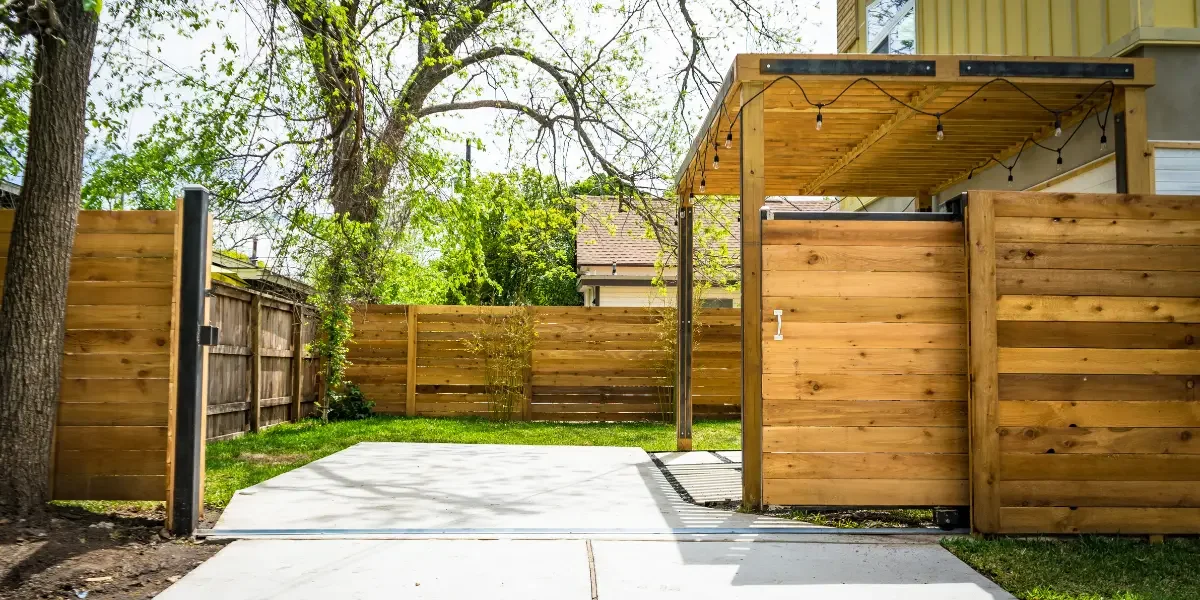
Selecting the appropriate material for a custom gate is a crucial decision that deserves careful consideration. A gate serves not only as a physical barrier but also as the first impression visitors have of your home. Beyond aesthetics, a gate must meet practical requirements such as strength, durability, and ease of maintenance. This article explores various popular materials for custom gates, including aluminum, wood, wrought iron, steel, PVC, and composite materials.
Why Choose Aluminum for Your Gate?
Aluminum is a modern and favored option for those looking to create a sleek and contemporary gate. This lightweight material boasts numerous benefits. If you prefer a more traditional style, aluminum can still fit the bill. Its impressive weather resistance and durability mean it won’t rust, making it an ideal choice for humid areas or coastal regions.
Another significant advantage is its low maintenance. Keeping aluminum in pristine condition requires minimal effort; typically, a wash with soapy water is sufficient to remove dust and urban grime. Additionally, its malleable nature allows for easier customization: whether you prefer modern or traditional designs, aluminum can be painted in any color to match your personal style.
Wood: A Noble and Warm Choice
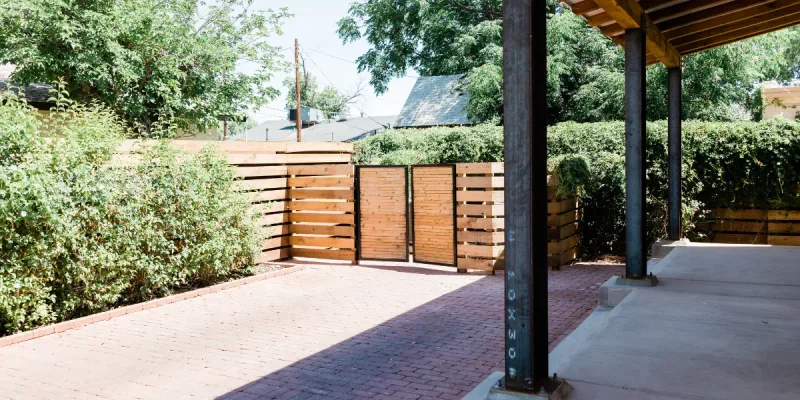
Wood is often chosen for its natural charm and warm appearance, making it perfect for traditional and rustic-style homes. However, opting for a wooden gate requires consideration of practical aspects, such as the need for regular maintenance. Wood is susceptible to moisture and pests, but with proper treatment, its longevity can be significantly extended.
The character of a wooden gate can be enhanced through various finishes and stains, adding to its customization potential. If you value its eco-friendliness, consider using wood sourced from sustainably managed forests. This choice not only enhances the aesthetic of your property but also contributes to environmental preservation.
Maintenance Solutions for Wooden Gates
- Apply UV treatment products regularly to protect the wood from harmful sun exposure.
- Check and treat areas that may be affected by mold or insects.
- Use specific varnishes or oils to maintain its fresh and glossy appearance.
Wrought Iron Gates: Elegance and Strength
Wrought iron gates are renowned for their elegance and artisanal beauty, adding a touch of sophistication to any property. Their primary advantage lies in their incredible strength, making them a durable barrier against the elements and providing enhanced security.
However, despite these positives, wrought iron requires specific maintenance to prevent corrosion. Applying a rust-resistant paint or coating is essential. Fortunately, the unique craftsmanship of wrought iron allows for exclusive designs and embellishments, offering significant customization options.
Steel: An Unmatched Force
For those seeking a robust and enduring structure, steel is a heavyweight option. While significantly heavier than aluminum, steel offers unmatched strength. Commonly used for security purposes, a steel gate ensures longevity and can withstand various physical and climatic challenges.
However, this strength comes with its own challenges. Like wrought iron, steel requires corrosion protection to ensure its durability. While it offers less flexibility in terms of customization compared to aluminum, a wide range of specialized colors can still be applied to harmonize the gate with your home.
PVC: Simplicity and Affordability
PVC stands out as an economical and practical choice for gate construction. Lightweight and easy to assemble, it provides an accessible solution while maintaining an elegant appearance with minimal required upkeep. Perfectly suited for humid environments, PVC is resistant to rust and warping from water exposure.
Though it may seem less sophisticated than wrought iron or wood, PVC offers a broad range of styles and colors to fit nearly any budget. Maintenance typically involves a simple surface cleaning to retain its original shine, further solidifying its reputation as a pragmatic choice for a custom gate.
Composite: Innovation and Ecology
Composite materials present a forward-thinking solution that combines the advantages of multiple substances. Comprising natural fibers and recycled plastics, composite gates merge aesthetics, durability, and positive ecological impact. They mimic the appearance of wood but boast superior resistance to UV rays, moisture, and insect damage.
Composite materials also relieve homeowners of extensive maintenance, as they maintain their initial appearance for years. Thanks to advanced manufacturing processes, these gates allow for complete customization while adhering to essential ecological practices today.
How to Choose the Right Material
Selecting the right material for your custom gate involves considering several factors. Your aesthetic preferences are undoubtedly important, but it’s equally crucial to assess the climatic conditions of your area. For instance, if you reside in a humid region, materials like aluminum, PVC, and composite may offer better protection against corrosion and moisture.
Next, think about the frequency and type of maintenance you are willing to undertake. Those looking to minimize upkeep may lean towards low-maintenance options like aluminum or composite. Finally, a thorough evaluation of your initial budget and your desire for customization will also guide your decision; while wrought iron and wood may have higher upfront costs, they offer extensive creative potential when tailored to your preferences.
Comparative Table of Gate Materials
| Material | Advantages | Disadvantages | |------------|---------------------------------------|----------------------------------| | Aluminum | Lightweight, durable, low maintenance | Higher cost | | Wood | Natural aesthetics, customizable | Requires regular maintenance | | Wrought Iron | Strong, unique design | Prone to rust | | Steel | Extremely strong, secure | Heavy, needs corrosion protection | | PVC | Cost-effective, easy to maintain | Less refined visually | | Composite | Durable, eco-friendly, wood-like | Variable pricing |