Botanical Tulips - Flowering Balcony - The Gardening Blog
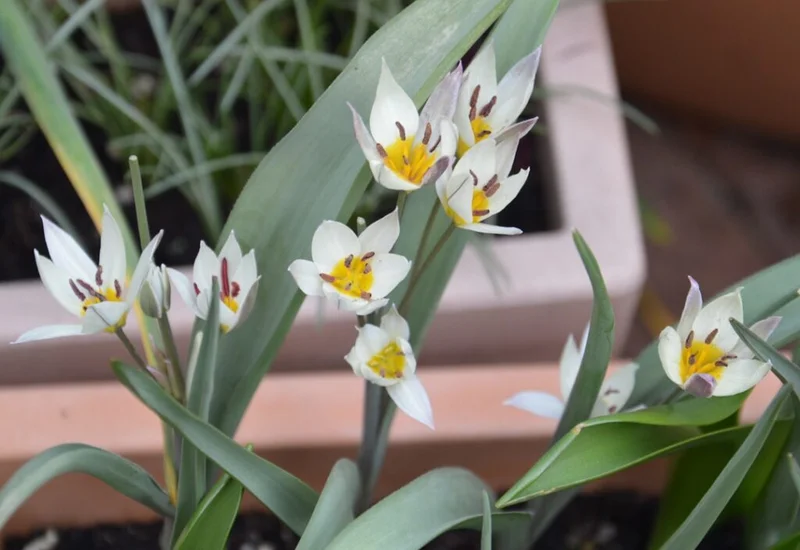
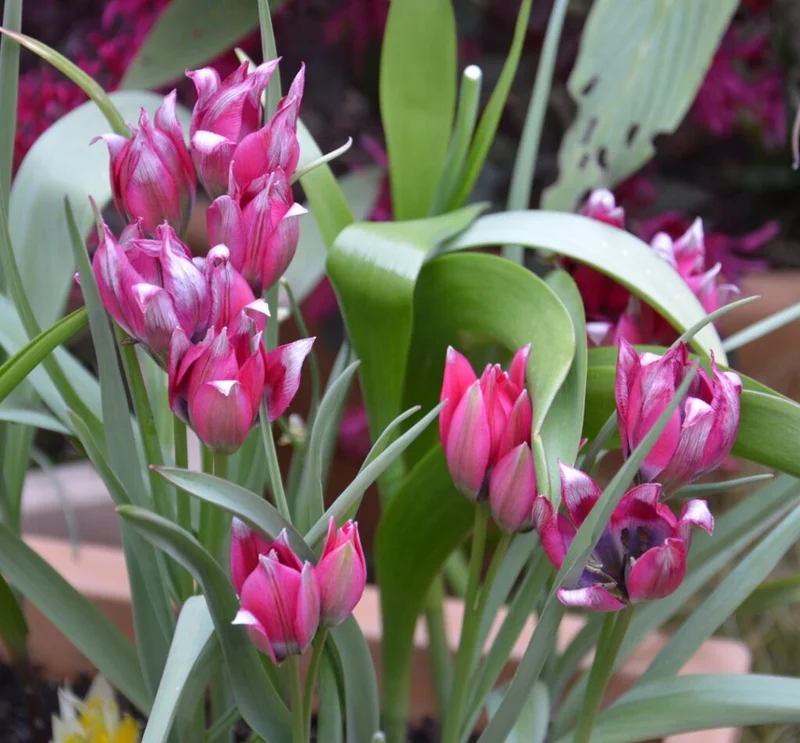
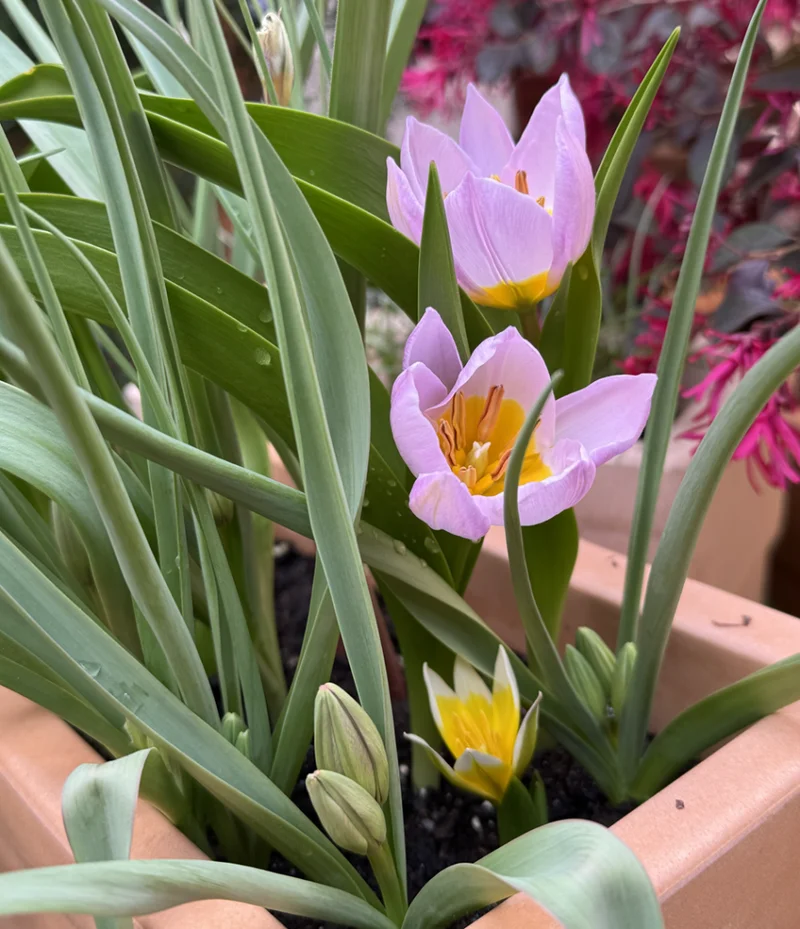
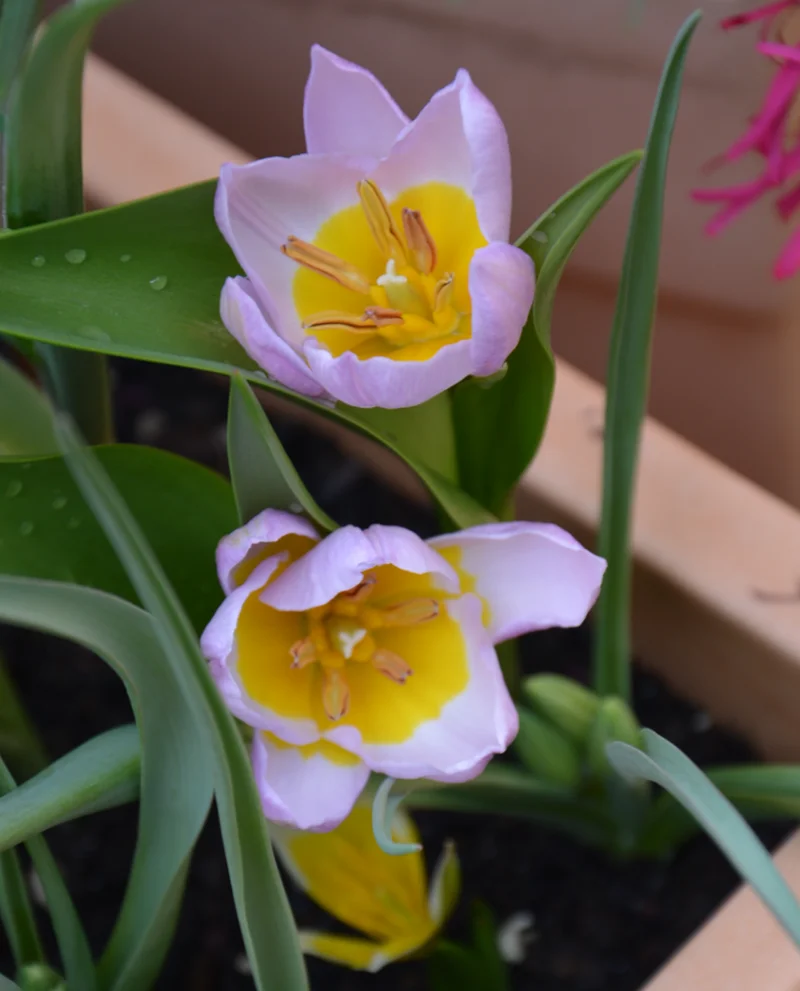
The pot of botanical tulips in mid-March 2026. Last autumn, for the first time on my balcony, I planted the small bulbs of botanical tulips that surprised me with their splendid blooms in spring.
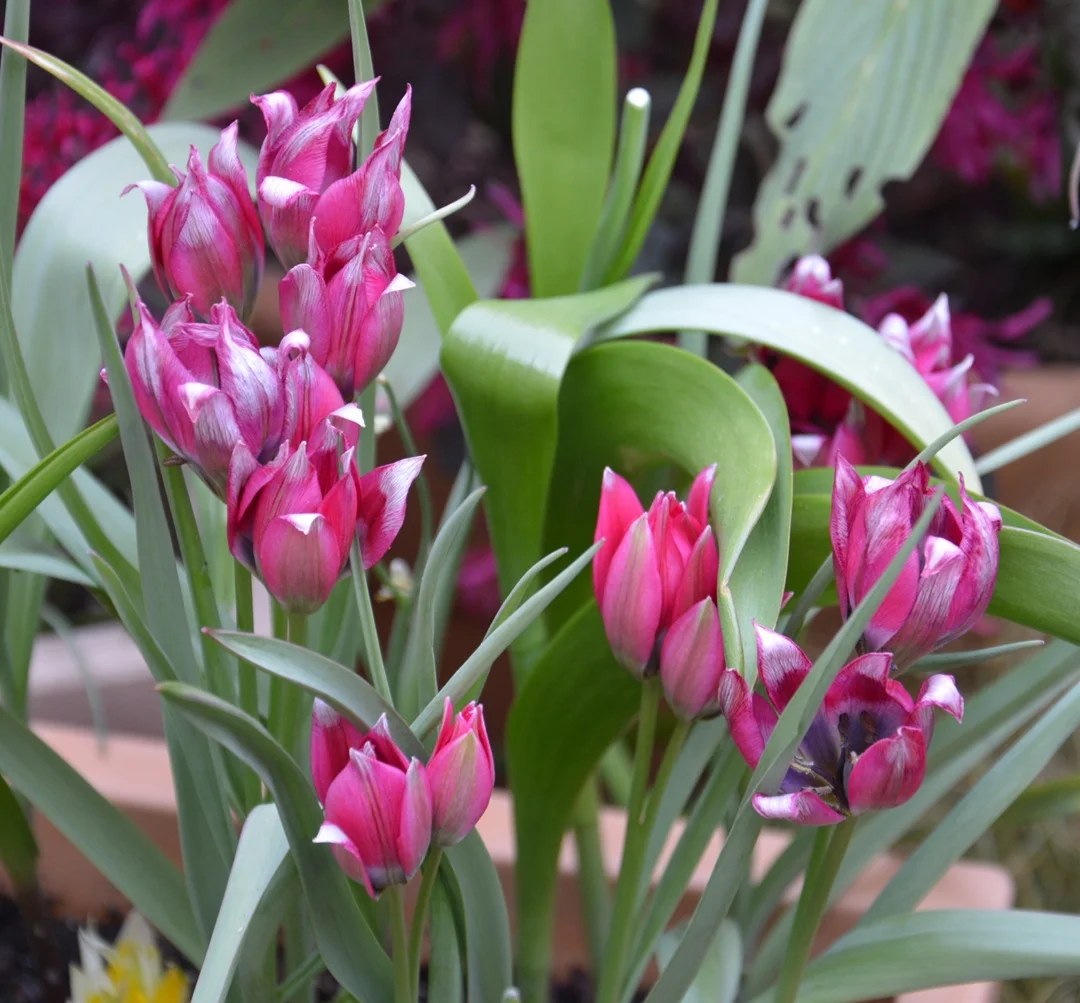
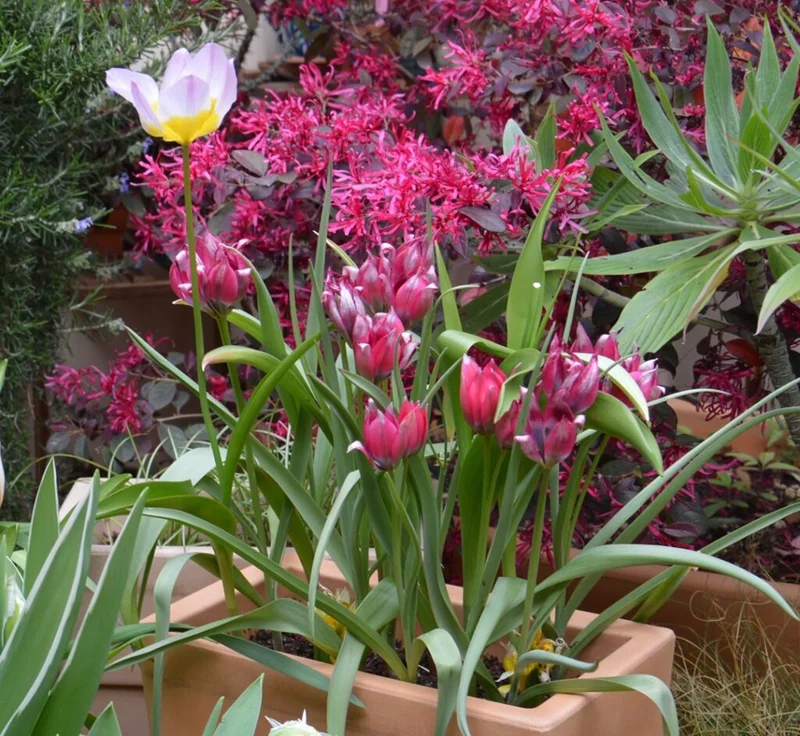
Last autumn, for the first time on my balcony, I planted the small bulbs of botanical tulips in pots, which surprised me with their splendid blooms in spring!
Generally, when we think of tulips, we imagine the large cup-shaped flowers of northern European gardens; however, there exists a family of tulips that is less showy but more generous and fascinating: botanical tulips. Unlike their hybrid cousins, which tend to weaken after the first bloom, botanical tulips are naturally programmed to survive and multiply year after year.
For years, I cultivated the “classic” hybrid tulips that need to be replanted every year; generally, the bulb divides after blooming, and one must wait a few years to see them bloom again. For the past three years, there has always been an exception: the ‘Giant Orange Sunrise’ tulip (a large hybrid) with striped leaves that regularly reblooms. I was gifted a mix of botanical tulips, and I’m sharing photos from these days. Have a great day, Francesco Diliddo.
Curiosities and Tips for Growing Botanical Tulips
Botanical tulips, often referred to as “species tulips”, represent the original varieties that grow spontaneously in the mountainous areas of Central Asia and Europe.
They are low flowers, rarely exceeding 15-25 centimeters in height, and this natural characteristic makes them perfect for withstanding wind and spring rain without bending.
Their small size makes them ideal for rock gardens, borders, or pots on the balcony.
Their flowers often have a star or lily shape and open fully only under the sun's rays, revealing contrasting colored hearts.
Botanical tulips are famous for their hardiness and ability to rebloom each year without needing to be lifted from the ground. They are among the few tulips that multiply on their own underground, creating true colorful carpets over time, and many varieties are among the first to bloom in spring, already between March and April.
Among the most popular varieties of botanical tulips, we can list:
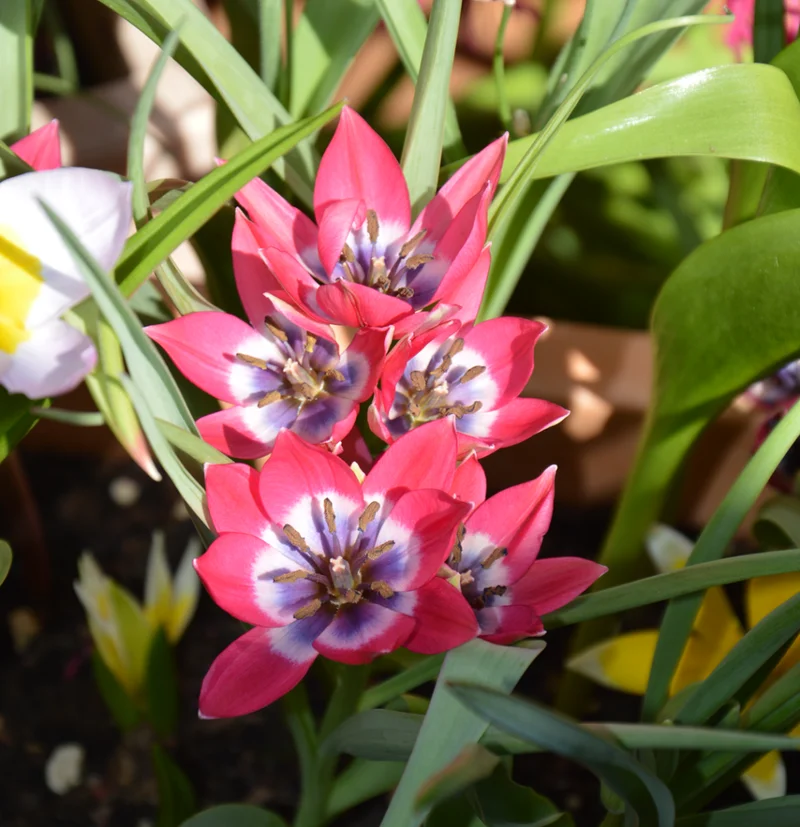
Tulipa humilis ‘Little Beauty’, with fuchsia flowers and a blue and white heart, ideal for rock gardens.
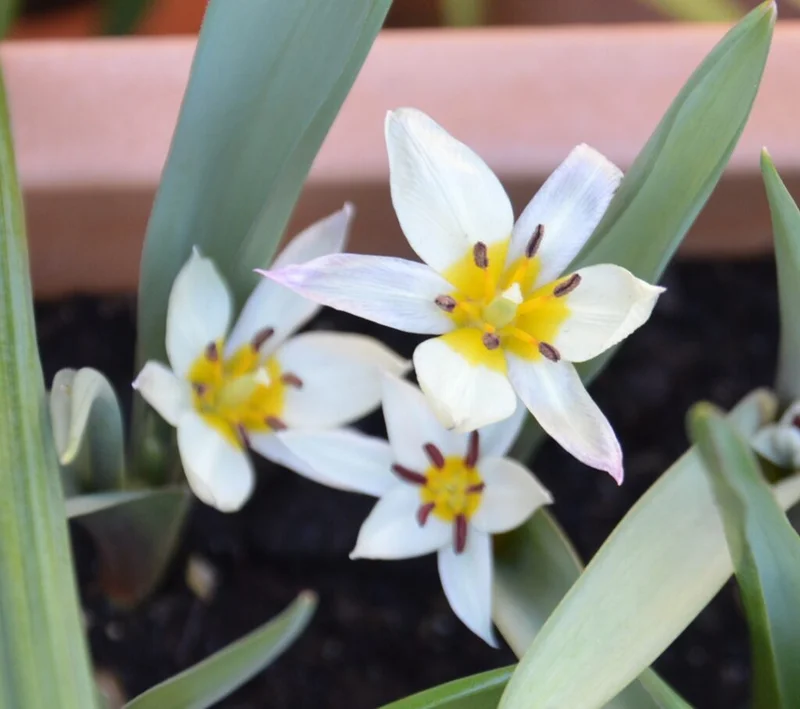
Tulipa turkestanica, a species of wild tulip highly valued for its elegance and hardiness.
Tulipa tarda, a very low species (about 12-15 centimeters), with white and yellow flowers that look like little stars.
Tulipa kaufmanniana, also known as “water lily tulips” for the shape of their flowers.
Tulipa purissima (Fosteriana), taller (about 30-40 centimeters) with large pure white flowers.
Tulipa saxatilis, a delicate lilac/pink color with a yellow center.
Tulipa Clusiana (Lady Tulip), elegant and slender, with red outer petals and white inner petals.
Tulipa Sylvestris, a rare spontaneous species also found in Italy, with fragrant yellow flowers.
The ideal time to plant the bulbs is from October to December, before the ground freezes. They need to feel the cold of winter to activate the spring blooming process.
As for exposure, botanical tulips love full sun or light partial shade. The soil must be well-drained to prevent the bulb from rotting, and they tolerate poorer soils well. When planting in pots, I add river sand or very well-draining lawn soil to the potting mix.
Unlike large tulips, botanical ones should be planted about 8-10 centimeters deep, spacing them about 5-8 centimeters apart, as the “splash of color” effect is much more striking compared to isolated bulbs.
Once the flowers of botanical tulips have faded, you can cut the stem to prevent the plant from wasting energy producing seeds.
After the blooming of botanical tulips, it is very important not to cut the leaves until they are completely dry and yellowed: this allows the bulb to accumulate the energy necessary for next year's bloom.