When to Consider a Roof Replacement: Key Indicators and Benefits
Explore the key indicators for roof replacement, the benefits of a new roof, and the strategic decisions involved in this essential home improvement.
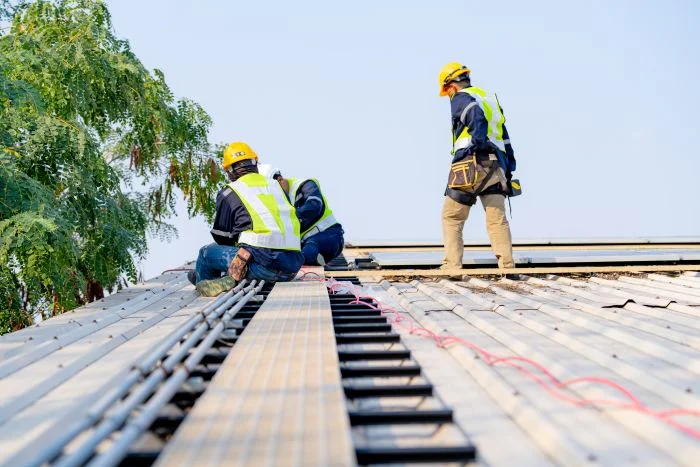
The roof, often overlooked, serves as a crucial protector for our homes. Recognizing the early signs of deterioration can mean the difference between regular maintenance and an extensive, costly renovation. But when is the right time to act? The answer isn't straightforward, and this uncertainty can lead to delays that exacerbate issues. Understanding what clues to look for, what decisions to weigh, and how to avoid missteps is both a technical and common-sense matter.
When to Spot the Invisible
Water infiltration, moisture stains, and mold on ceilings are not just aesthetic nuisances; they are early warnings of potential structural failure. If water penetrates the roofing layers and reaches the interior, the damage may already be significant.
Another less obvious but equally telling sign is the alteration of the internal microclimate. Excessive heat in upper rooms during summer or heat loss in winter can indicate insufficient or compromised insulation. These issues affect not only comfort but also energy expenses, leading to increased costs over time.
Ongoing Maintenance vs. Complete Overhaul
Building interventions range from minor repairs to total replacements. In between, there are several often-overlooked tasks essential for the health of the structure. For instance, improving roof insulation involves choosing between natural materials like cork or high-tech composites such as polyurethane derivatives.
However, when maintenance work becomes too frequent, it raises a critical question: how long is patching worth it? In some instances, the cumulative costs of partial repairs may exceed those of a complete overhaul, without providing the same durability and performance guarantees.
The Often Overlooked Benefits of a New Roof
Replacing a roof isn't just about swapping tiles; it's an opportunity to rethink the entire roofing system in a modern, efficient, and sustainable way. Notably, one of the most tangible benefits is the potential for improved energy performance: reduced heat loss, lower consumption, and lighter bills.
Another frequently neglected aspect is structural safety. Over time, load-bearing elements may deteriorate due to leaks, thermal fluctuations, or excessive loads. Removing old materials allows for a thorough assessment of the entire structural setup and necessary interventions.
Moreover, a roof replacement can be a strategic moment to integrate technologies like solar panels or advanced ventilation systems, taking advantage of tax incentives available for energy efficiency improvements.
When Bureaucracy Becomes an Ally
Contrary to popular belief, navigating a roof replacement can be a smooth process. With proper planning, it can serve as a gateway to accessing significant tax incentives, such as the Ecobonus or Superbonus, sometimes even in the form of direct invoice discounts.
Another advantage of a systematic approach to the project is the ability to streamline time and costs, avoiding the need to address related issues like ventilation or waterproofing later. A single well-managed construction phase can resolve multiple concerns simultaneously.
The Crucial Question: Who to Trust?
Entrusting the work to a general contractor can be a strategic misstep. Not all roofs are the same, nor are the materials, climatic conditions, and residential needs. The risk is spending significantly for minimal results or needing to intervene again within a few years.
Exploring professional solutions can begin with specialized firms like Pro-tetto.it, which focuses exclusively on roof maintenance and replacement, offering support in technical evaluations and bureaucratic management. This isn't about promoting a brand but recognizing when niche expertise becomes a concrete advantage.
The Real Costs of a New Roof
Discussing costs is unavoidable, but doing so in absolute terms can be misleading. Prices vary based on factors such as total surface area, the type of materials used, the need for scaffolding, or the presence of hazardous waste like asbestos.
On average, a complete replacement may range from 150 to 250 euros per square meter, but each case is unique. A slate roof, for example, may entail higher initial costs but offers superior durability and resistance, requiring minimal maintenance.
Mistakes to Avoid
The first mistake is procrastination. When signs begin to appear, it's rare for the situation to stabilize on its own. The second is attempting DIY repairs or hiring unqualified workers: improper installation or inadequate structural assessment can lead to irreparable damage or more costly fixes later.
The third, less obvious but equally dangerous error is focusing solely on one aspect of the roof while ignoring the connections between insulation, ventilation, waterproofing, and structure. Each component is part of a system that must operate in harmony; otherwise, the entire intervention risks failure.
And Then?
One detail often overlooked from the start is that replacing the roof, while challenging, can also be a transformative opportunity for the building. It presents a chance to enhance comfort, aesthetics, and property value all at once.