The Consequences of Popularity in Nature: The Case of the Cabezón de la Sal Sequoia Forest
The Sequoia forest in Cabezón de la Sal faces challenges due to rising tourist numbers. This article explores the impact of popularity on natural sites and the need for sustainable practices.
In the realm of tourism, certain locations can quickly become popular, often leading to their downfall. This phenomenon is evident in the case of the renowned Sequoia forest in Cabezón de la Sal, a site that has gained notoriety through social media and influencer promotions.

This forest, located near the Cantabrian town, has transformed into a hotspot, fueled by likes and social media influencers. Originally, the area was engaged in forestry work, focusing on oak wood extraction for shipbuilding. However, a plague in the 1930s decimated the oak population, prompting the introduction of Sequoia sempervirens, the iconic redwoods known for their impressive height and longevity. Over time, these trees grew unnoticed, eventually covering more than 2.5 hectares with around 850 specimens averaging 32 meters tall. The allure of American trees in northern Spain, capable of reaching heights of 60 to 100 meters and living nearly 2,000 years, has attracted significant attention, leading to the area being declared a natural monument of Cantabria.
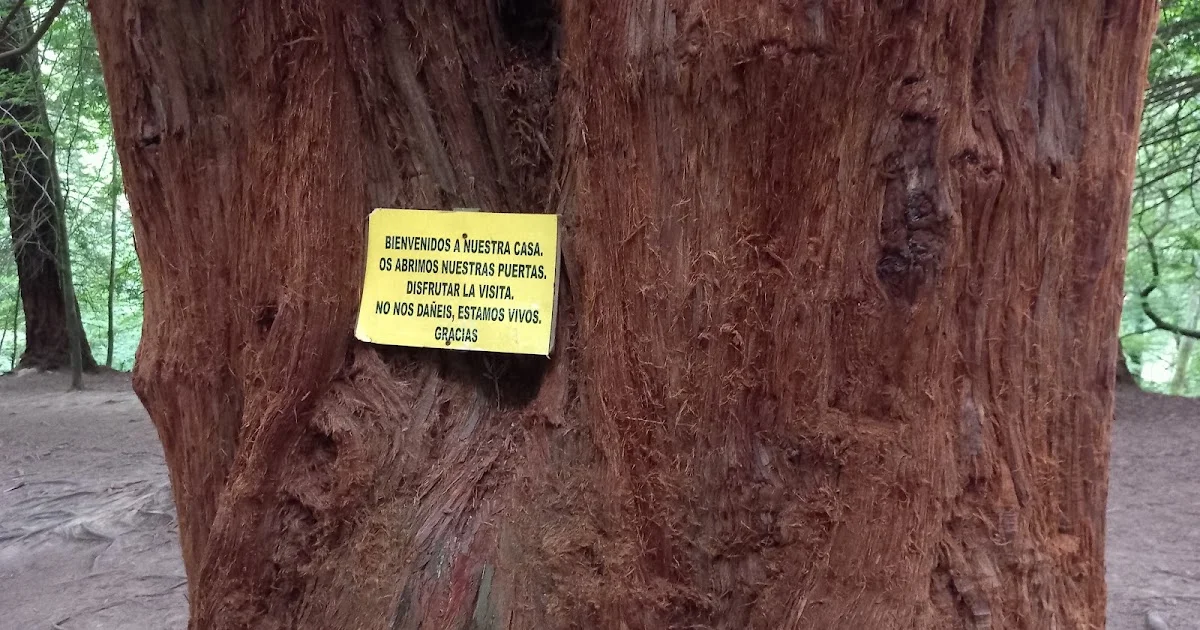
As the popularity of the Sequoia forest surged, concerns arose regarding the increasing visitor numbers and their impact on the environment. Reports emerged of tourists trampling the root zones, touching the bark, and leaving litter, which posed a risk to the delicate ecosystem. In response, local authorities considered restricting access to protect the area from further degradation, as some visitors disregarded the signs urging respect for nature.
During a visit in the summer of 2026, it was apparent that access had not been restricted, at least for that season. The promotional efforts had clearly succeeded, with parking lots filled and a civil guard managing traffic for visitors exiting after their excursions.

Upon arriving at the foot of the mountain, various paths led to the Sequoias. A wooden walkway provided easy access for those with mobility issues or those simply looking to take a quick photo before moving on. While this accessibility is commendable, it also encourages a higher volume of visitors who may not have the same reverence for the natural setting.
Choosing a less-traveled path, we encountered fewer people, allowing for a more enjoyable experience among the diverse tree species before reaching the famed Sequoias.

However, upon reaching the grove, it was clear that the area was heavily trafficked. Despite the presence of informational signs, many visitors were seen touching the trees, while others allowed their dogs to roam freely. Litter was also present, a testament to the disregard some visitors showed toward the environment. The trees, planted in close proximity to one another, suffered from overcrowding, with some specimens appearing stunted or unhealthy due to competition for resources. Thinning the forest could enhance growth and allow for a more diverse understory.

The damage to the trees was evident, with bark showing signs of wear from constant handling. This lack of management raises concerns about the long-term health of the forest. Despite the rainy weather on the day of our visit, which kept some visitors away, reports indicate that on busier days, the area resembles a bustling market.

The close proximity of the trees and their varying sizes highlight the need for better management practices. Local authorities may hesitate to impose stricter regulations on visitors for fear of losing a significant source of tourism revenue. This situation draws parallels to experiences in Iceland, where strict guidelines are enforced to protect natural sites, including signs to stay on paths and personnel to monitor compliance.

The ongoing challenges faced by the Sequoia forest serve as a reminder of the delicate balance between tourism and conservation. Both visitors and local authorities need to prioritize environmental education and sustainable practices to ensure that such natural treasures are preserved for future generations.

Comparing the state of the Sequoias with other natural sites affected by human interaction underscores the urgent need for responsible tourism. As social media continues to shape travel trends, it is crucial that we foster a deeper appreciation and understanding of the environments we visit, ensuring their protection and longevity.