Practical Tips for Choosing Your Free-Standing Pergola
Choosing a free-standing pergola enhances outdoor spaces. This guide covers essential factors like materials, size, anchoring, and regulations for your ideal installation.
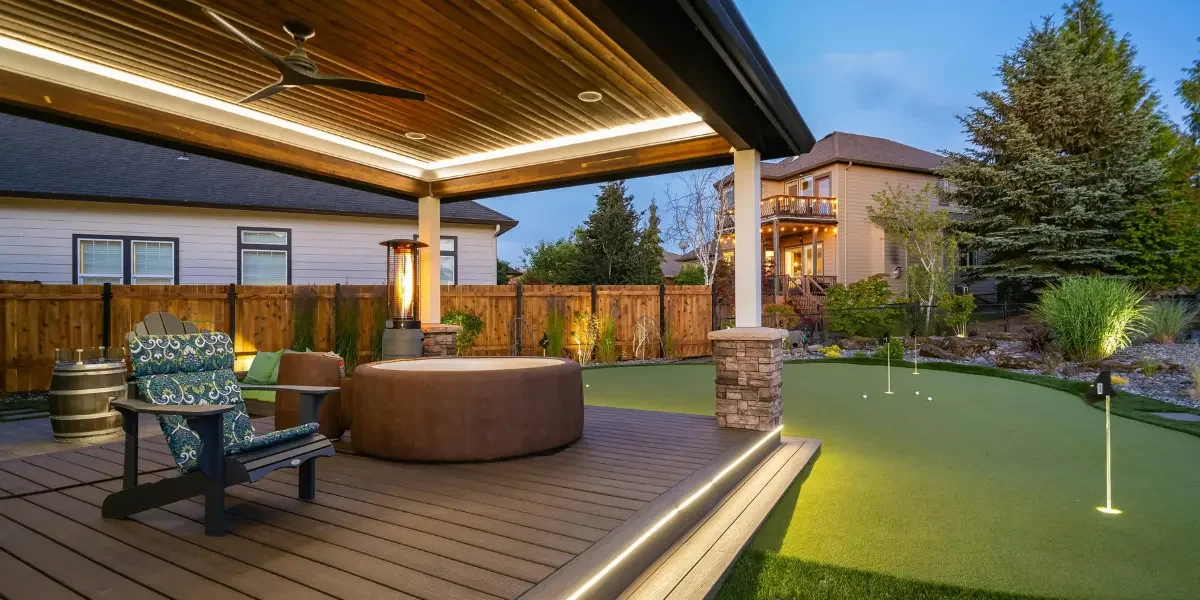
Selecting a free-standing pergola can transform your garden or terrace into a vibrant living space. This type of independent structure allows for creative outdoor design while providing an elegant shelter that blends seamlessly into various environments. However, with considerations like materials, shape, area, and regulations, the decision-making process can quickly become overwhelming. Here are some practical insights to help you choose the ideal free-standing pergola, avoid common pitfalls, and ensure a sustainable installation.
Understanding the Differences Between Free-Standing and Attached Pergolas
The first step is to clearly differentiate between a free-standing pergola and an attached pergola. A free-standing pergola is self-supporting, requiring no connection to the house or other buildings. This makes it an excellent choice for placement in the center of a garden, near a pool, or as a secluded relaxation spot on the lawn.
In contrast, an attached pergola leans against a wall, often extending the façade and creating a natural transition between indoor and outdoor spaces. Your choice will largely depend on the layout constraints and intended use.
Key Criteria for Selecting a Free-Standing Pergola
When investing in a harmonious and functional structure, certain characteristics are essential. Before placing an order, consider several factors: materials, dimensions, location, as well as anchoring solutions and accessories suited to local weather conditions.
Material Selection: Aluminum, Wood, or Wrought Iron?
Free-standing pergolas come in various materials, each with its own advantages and limitations. Aluminum is favored for its lightweight nature and corrosion resistance, requiring minimal maintenance while offering a modern aesthetic that fits contemporary exteriors. Wood remains popular for its warm, natural appearance, although it requires regular treatment against moisture and pests. Wrought iron provides a classic, refined look, but it necessitates effective rust protection to withstand the elements.
To aid your decision, here’s a summary of the strengths and weaknesses based on material:
- Aluminum: lightweight, low maintenance, versatile design.
- Wood: authentic charm, customizable, frequent upkeep needed.
- Wrought Iron: durability, intricate aesthetics, rust protection essential.
Size and Appropriate Surface Area
The dimensions of the pergola directly affect its visual impact and daily functionality. A handy tip is to measure the available space on your terrace or in your garden before deciding on the width, length, and height of the structure. If you envision a dining area beneath the free-standing pergola, ensure the roof is wide enough to accommodate a table, chairs, and allow for easy movement.
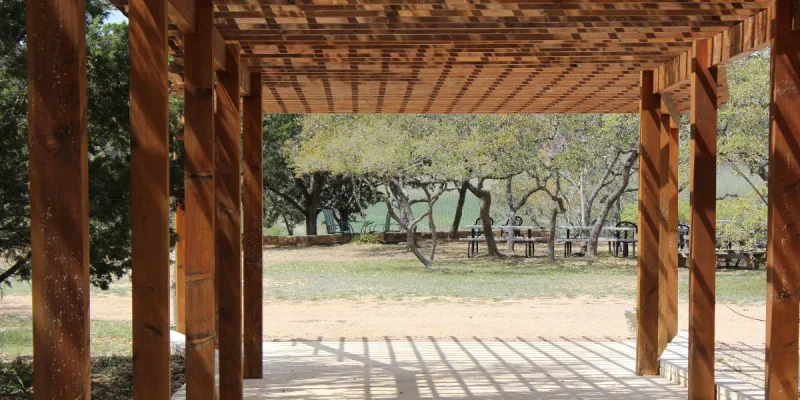
The larger the shaded area, the more pleasant the microclimate will be during warm days. It’s wise to anticipate future uses to avoid the pergola feeling either too large or too small for outdoor gatherings. Here’s a simple guideline:
- Less than 10 m²: Small garden seating area, reading nook.
- 10-20 m²: Family dining space, barbecue area.
- More than 20 m²: Large gatherings, pool house.
Choosing the Right Location and Ensuring Stability
Installing a free-standing pergola must consider several practical constraints. When positioned centrally in the garden around a beautiful terrace, it serves as an attractive focal point. In smaller spaces like balconies or courtyards, opting for compact models is advisable.
Location alone isn’t enough; solid anchoring is crucial for stability against gusts, rain, or snow. A stable base, such as a concrete slab, is always the best option to secure the structure.
Different Anchoring Methods
Three primary methods can firmly fix a free-standing pergola:
- Directly set in a concrete slab.
- Plates screwed into an existing terrace.
- Individual concrete blocks for each post.
It’s important to size the anchoring appropriately based on the pergola’s dimensions and wind exposure. Consulting a professional for such installations can provide peace of mind, especially regarding long-term safety.
Proximity, Orientation, and Immediate Environment
Choosing a protected location from prevailing winds enhances comfort throughout the season. Additionally, avoid placing the free-standing pergola too close to large plants or walls that might obstruct movement around the structure. The orientation also significantly affects light and shade management during hot hours.
A south-facing exposure provides ample light, ideal for a midday dining area, while a more westward orientation ensures a pleasant space in the evening after daytime heat.
Preferred Options for Roof and Covering
Not all free-standing pergolas offer the same shading capabilities or rain protection. Several alternatives exist to effectively cover the structure and adapt the shelter to local weather conditions or personal comfort preferences.
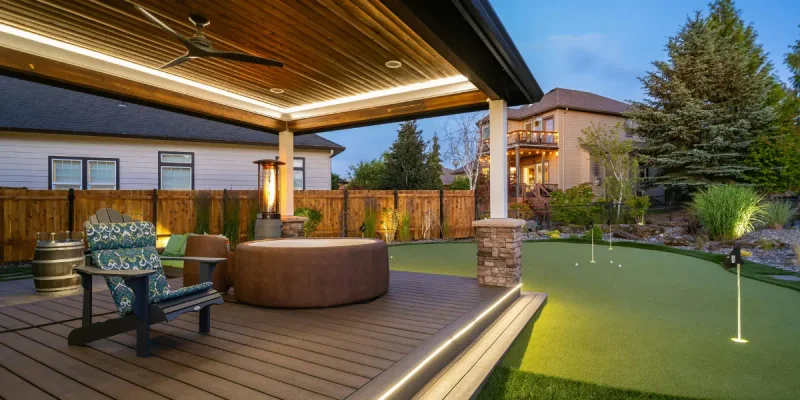
Adjustable Slats/Bioclimatic Models
Bioclimatic models with adjustable slats have gained immense popularity. These can open or close based on sunlight or rain, allowing for precise temperature and ventilation control beneath the free-standing pergola.
This motorized or manual system enables year-round enjoyment of outdoor living, even during sudden downpours or intense heat.
Awnings, Fabrics, and Waterproofing Issues
There are also fixed coverings (polycarbonate, opaque panels) and flexible solutions like retractable awnings and sliding shades. If effective waterproofing is a priority, it’s advisable to choose materials resistant to water to avoid unpleasant surprises during heavy rainfall.
Some systems also include discreet gutters or integrated water drainage, which are very useful for keeping the area beneath the free-standing pergola dry at all times.
Overview of Regulations and Administrative Procedures
Always check the local regulations before installing a free-standing pergola. Even though this type of structure may seem minor, there are several obligations to adhere to, especially when the area exceeds a certain threshold.
Typically, a prior declaration of work is sufficient for a pergola under 20 m². Beyond this size, a building permit may be required depending on the Local Urban Plan (PLU). It’s advisable to consult your local council, as these rules can vary by municipality and area.
Practical Tips to Avoid Surprises
Before finalizing your choice, it’s wise to engage the municipal urban planning service to gather all regulatory information regarding the installation of a free-standing pergola. Some designated areas may impose specific colors or materials that must be adhered to.
Adhering to minimum distances from neighbors also helps prevent conflicts and ensures your long-term peace of mind. It’s better to anticipate these issues than to face the need to dismantle the pergola due to an oversight.