
Indoor Plants That Purify the Air
Indoor air pollution is a significant health concern. Discover how indoor plants can help absorb harmful pollutants and improve your living space's air quality.
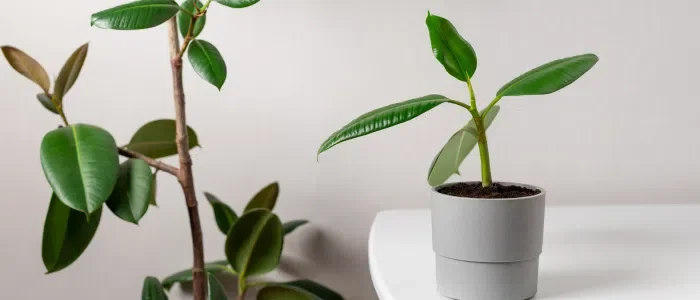
Air pollution poses a significant public health challenge, often overlooked in favor of outdoor pollutants. However, indoor air can harbor various contaminants from cleaning products, tobacco smoke, building materials, and even furniture and decor. Many of these sources release volatile organic compounds (VOCs), which can lead to irritations, headaches, or respiratory issues. 🌿 Research indicates that certain indoor plants can absorb some of these pollutants under experimental conditions. While their impact in a typical home is limited compared to proper ventilation, they still enhance comfort and well-being within living spaces. 👍🏼
What Are Air-Purifying Indoor Plants?
🏠 Indoor air pollution is often invisible and odorless, yet it can adversely affect the health of residents. It originates from various sources, including wall coverings, flooring, building materials, paints, adhesives, varnishes, cleaning products, carpets, and wooden furniture. Specific chemical compounds, known as volatile organic compounds (VOCs), such as benzene, formaldehyde, or trichloroethylene, can be harmful, causing irritations, allergies, fatigue, or headaches even at low concentrations. Indoor plants 🪴, notably studied by Dr. William Wolverton in the 1980s, have demonstrated the ability to absorb some of these pollutants in controlled settings. While they cannot replace ventilation, they improve comfort and add a natural touch to your home. Rediscover these plants to blend decor with air quality in a natural way. 👍🏼
🍃 How Do They Work?
Plants absorb certain pollutants through their leaves and roots 🍃. Microorganisms in the soil can also help convert some pollutants into less harmful substances. Additionally, they regulate ambient humidity through transpiration, which can enhance respiratory comfort. Plants with large or broad leaves facilitate greater gas exchange, while those that absorb significant amounts of water can slightly increase the room's humidity. 👍🏼 To maximize their benefits, place your plants in the rooms where you spend the most time, such as the living room or bedroom. Although they do not substitute for good ventilation, they offer a natural and aesthetic solution for contributing to a healthier environment. 🏠
Air-Purifying Indoor Plants
Choosing air-purifying plants is not arbitrary. Each room in the house has its own pollution sources, light levels, and humidity rates. Therefore, it is essential to select species based on the specific space to optimize their well-being… and yours. 👇🏼
Plants Suitable for the Living Room and Kitchen
Some plants are particularly valued for their ability to improve indoor air quality and their ease of care. Here are four must-haves for your home:
🌙 Peace Lily (Spathiphyllum) The Spathiphyllum, or Peace Lily, is one of the most effective plants for absorbing common chemical pollutants like benzene, formaldehyde, trichloroethylene, toluene, and ammonia. It thrives in low-light areas, such as living rooms or bedrooms, while adding aesthetic appeal with its elegant white flowers.
🌿 Ficus The Ficus is a robust and decorative plant, perfect for larger, well-lit spaces. It helps absorb certain VOCs found in paints, adhesives, and furniture. Its care is straightforward, and it can thrive for several years in a well-lit environment.
🕷 Spider Plant (Chlorophytum) The Chlorophytum, also known as the Spider Plant, is ideal for beginners. Highly resilient, it helps absorb carbon monoxide, formaldehyde, and xylene. It adapts well to almost any room, including bedrooms and kitchens, and requires minimal care.
🐍 Snake Plant (Sansevieria) The Sansevieria is renowned for its air-purifying capabilities while being extremely hardy. It absorbs formaldehyde, benzene, and trichloroethylene and can survive in low-light conditions. This makes it an excellent choice for offices, bedrooms, or dimly lit bathrooms.

Air-Purifying Plants for the Bathroom
For the bathroom, choose plants that thrive in high humidity:
🌺 Flamingo Flower (Anthurium) This plant absorbs ammonia and xylene from cleaning products, making it ideal for kitchens and bathrooms.
🌿 Boston Fern (Nephrolepis exaltata ‘Bostoniensis’) Highly effective against formaldehyde and xylene due to its absorption/rejection water cycle, it is suited for humid, low-light spaces.
Air-Purifying Plants for the Bedroom
Incorporating plants in the bedroom is safe and beneficial, provided you select suitable species and avoid overcrowding the space. While plants respire at night and produce a small amount of CO₂, in a typical bedroom with a few plants, this amount is negligible. During the day, photosynthesis generates oxygen, contributing to cleaner air and improved respiratory comfort.
🕷 Chlorophytum (Spider Plant) This plant absorbs carbon monoxide, formaldehyde, and xylene from paints, cleaning products, or tobacco smoke. It is very robust and easy to maintain.
🌴 Areca Palm This plant purifies the air and slightly stabilizes humidity levels, making it ideal for heated bedrooms.
🌿 Dracaena Marginata It absorbs formaldehyde, carbon monoxide, trichloroethylene, xylene, and toluene. Suitable for bedrooms, offices, or living rooms.
🌙 Spathiphyllum (Peace Lily) This plant absorbs the widest range of pollutants: ammonia, benzene, formaldehyde, toluene, trichloroethylene, and xylene.
🌼 Gerbera Ideal for rooms frequented by smokers, this plant absorbs formaldehyde, toluene, benzene, and trichloroethylene.
💡Practical Tips
- Place multiple plants in areas where you spend the most time to optimize their benefits.
- Combine large and small plants to maximize both impact and aesthetics.
- While plants enhance comfort and air quality, they do not replace regular ventilation.
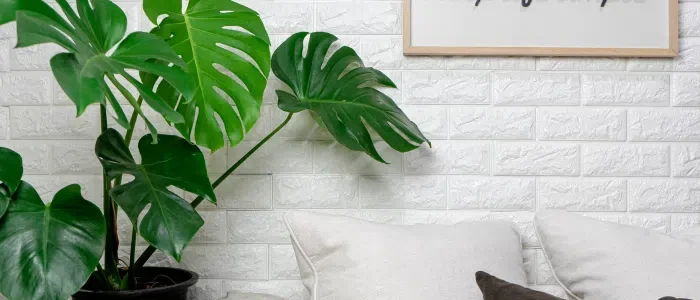
Indoor air-purifying plants offer a simple and natural way to enhance your home's comfort. Although they cannot replace good ventilation, they help create a healthier environment while adding a pleasing decorative touch. Selecting the right plants for each room, maintaining them properly, and ensuring regular airflow allows you to fully enjoy their benefits. A green interior is, above all, a more vibrant and harmonious space. 🌱