
In 'Diia', an Important Service for Ukrainians Abroad Has Been Updated: What Has Changed
Ukrainians abroad / © NOS.nl In 'Diia', the service for submitting applications to the Register of Damages for Ukraine in category A1.2 'Forced Displacement Beyond Ukraine' has been updated. It concerns Ukrainians who...
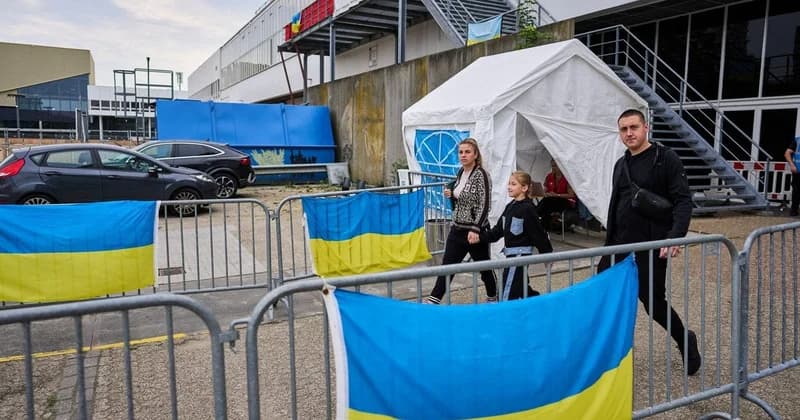
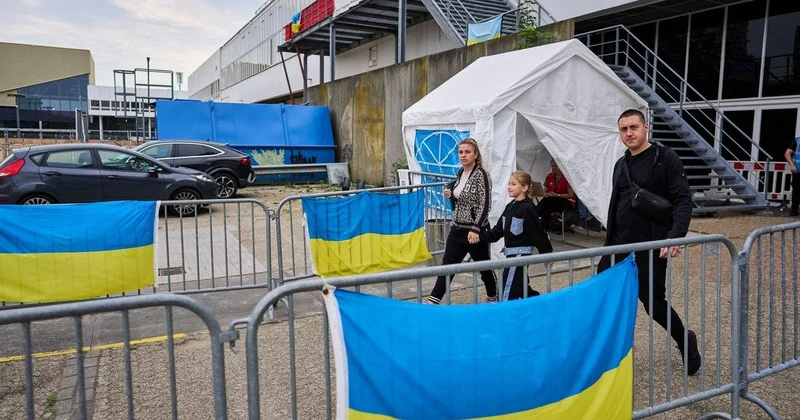
In 'Diia', the service for submitting applications to the Register of Damages for Ukraine in category A1.2 "Forced Displacement Beyond Ukraine" has been updated. This pertains to Ukrainians who, due to the full-scale war, were forced to leave the country or cannot return home.
Details were provided by the press service of 'Diia'.
After the update, border crossing data should correctly populate during the application process. If users previously encountered difficulties completing their submissions, 'Diia' advises trying again.
Ukrainians who were forced to leave their place of residence due to the full-scale invasion of Russia after February 24, 2022, and have exited Ukraine can submit an application.
This category also includes citizens who were abroad at the start or during the war and cannot return home due to hostilities or other consequences of Russian aggression.
To submit an application, one must log in to the 'Diia' portal, select the service for submitting applications to the Register of Damages for Ukraine, and navigate to category A1.2 "Forced Displacement Beyond Ukraine".
Next, it is necessary to verify the data that will automatically populate the application, fill in the required information, and send the application to the Register.
'In Diia', it is emphasized that each submitted application helps document the consequences of Russian aggression and preserves the right to potential future compensation.
It is worth noting that the European Union is considering implementing strict restrictions on providing temporary protection to men of conscription age from Ukraine. Currently, active discussions are ongoing in Brussels regarding the extension of legal status for Ukrainian refugees beyond March 2027, despite previous agreements to refrain from doing so. The EU openly acknowledges: the war continues, and Ukraine is not becoming safer. However, many European states are no longer inclined to extend protection under the exact same conditions.