Gynura aurantiaca - Flowering Balcony - The Gardening Blog
An article about Gynura aurantiaca, a striking ornamental plant with cultivation tips and care instructions.
- by francescodiliddo
- article from May 14, 2026
- No comments
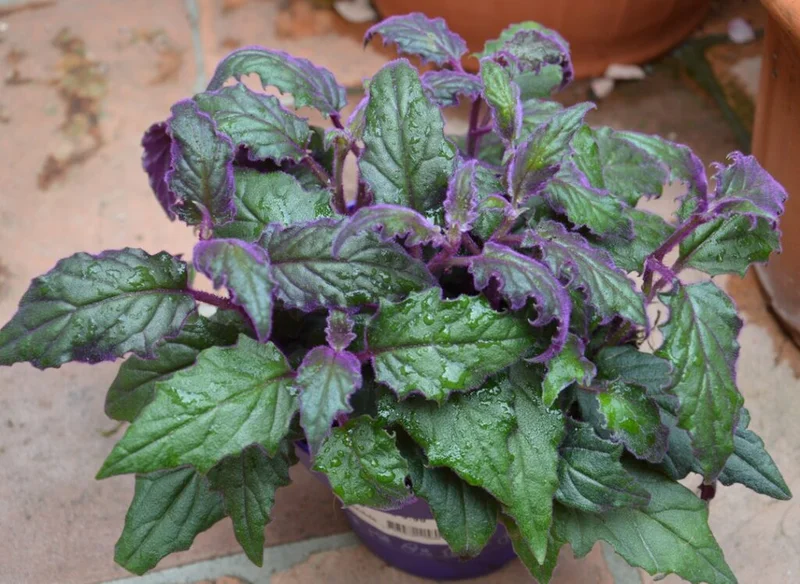
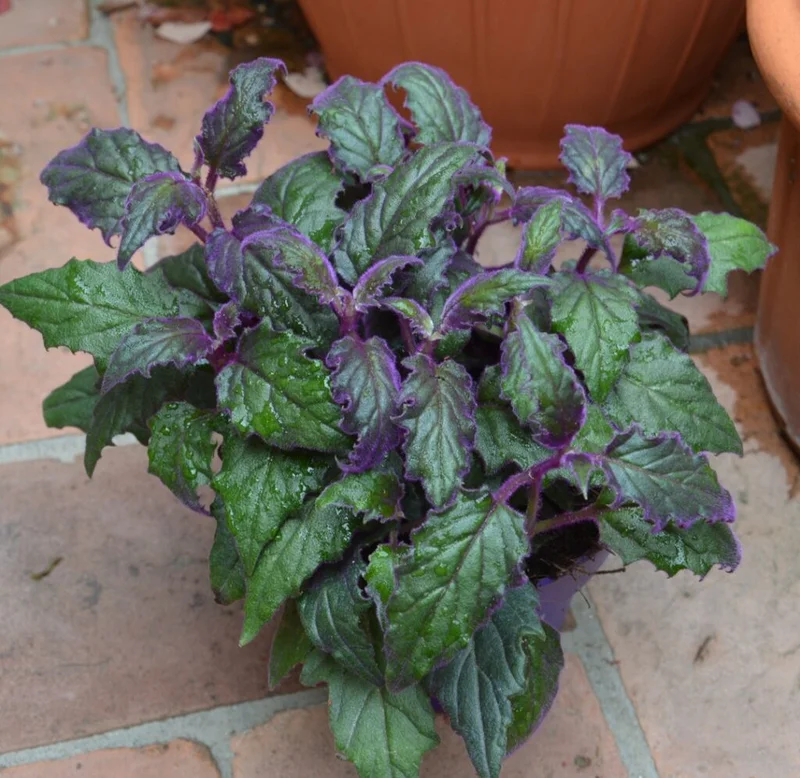
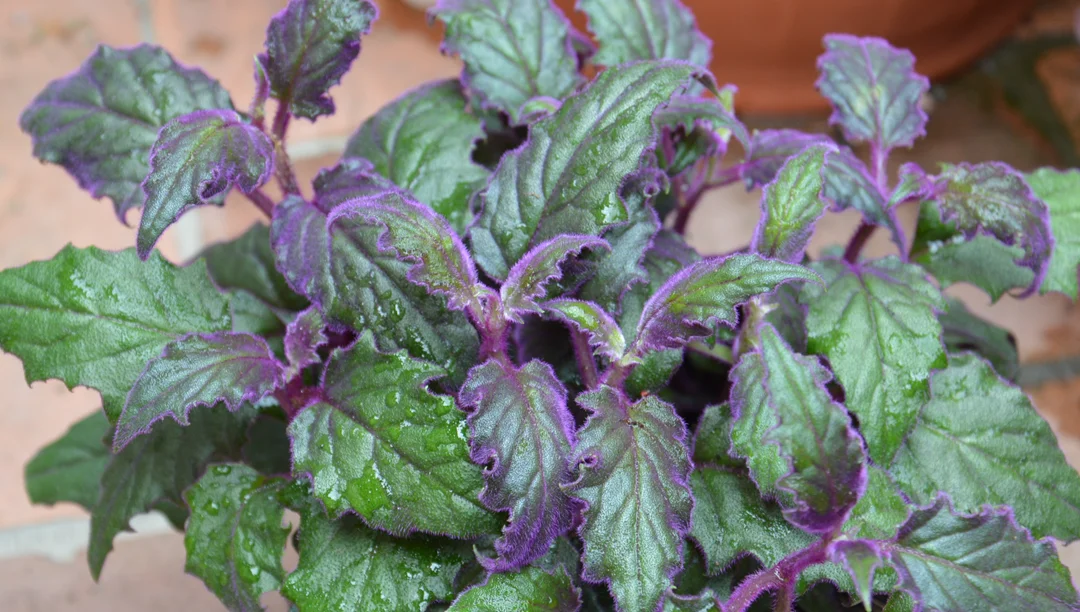
A plant that does not go unnoticed for its purple coloration derived from a dense, intense purple fuzz on the leaves, giving it a velvety and shimmering appearance. The Gynura aurantiaca is a perennial evergreen plant but has a relatively short lifespan as an ornamental plant, usually living between 3 and 5 years. Over time, it tends to lose its characteristic purple fuzz and become more bare at the base. It can be easily renewed through cuttings (in water or directly in soil) every 2-3 years. I have placed it in the outdoors in a shady area of the balcony, but when temperatures drop below 10° C, it should be protected indoors. For now, it seems easy to cultivate, and below I share photos of the latest arrival and my cultivation tips, Francesco Diliddo.
Curiosities and cultivation tips for Gynura aurantiaca
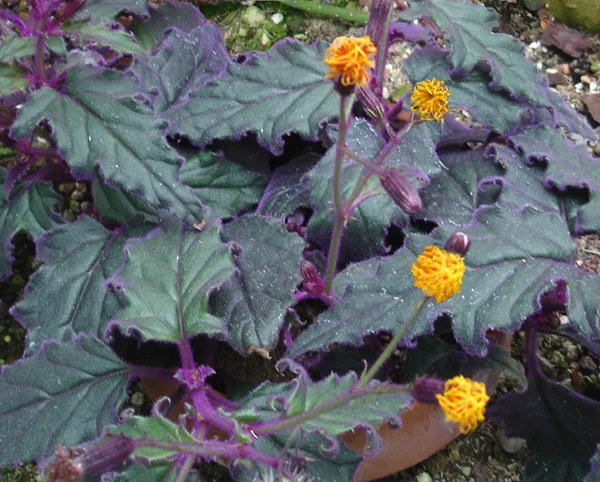
The Gynura aurantiaca is native to the tropical regions of Southeast Asia (it grows wild in Indonesia) and belongs to the Asteraceae family. Its common names are “velvet plant” or “Purple Passion” due to the dense purple fuzz covering its dark green leaves. In its native environment, the Gynura aurantiaca thrives in lowland tropical forests, where it creeps or climbs on surrounding vegetation in conditions of high humidity, constant warmth, and filtered light from tree canopies. The plant produces small yellow or orange flowers (hence the name aurantiaca) similar to those of dandelions, which have an unpleasant odor and can be removed (as with coleus and basil) to prevent them from taking energy away from leaf growth. Like coleus (new scientific name Solenostemon), to keep the Gynura bushy and compact, the buds should be trimmed as soon as they appear. The best exposure for the Gynura aurantiaca is bright but indirect light, near an east or west-facing window. Direct afternoon sunlight should be avoided, as it can scorch the velvety leaves. Conversely, in case of light deficiency, the leaves will lose their purple sheen, turning completely green, and the stems will excessively elongate (etiolation). Being a tropical plant, the Gynura aurantiaca loves warmth and does not tolerate cold, with an ideal growing temperature between 18° and 24° C. Watering is the most delicate aspect for this plant: the soil must be kept consistently moist during spring and summer, but the top inch of soil should be allowed to dry between waterings. The fuzz on the leaves of the Gynura aurantiaca should never be wet during watering, as trapped water can cause rot. Like all plants native to tropical areas, it appreciates humid environments, and instead of misting the leaves, it is better to use a saucer with pebbles and water or a humidifier. For repotting (in spring every two years) of the Gynura aurantiaca, a fertile and well-draining mix is recommended, composed of universal potting soil, peat, and perlite (or coarse sand) to avoid waterlogging. During the growing season (spring-summer), it is important to provide a balanced liquid fertilizer every 3-4 weeks, suspending fertilization in winter. For a plant that is always beautiful and compact, pinching is recommended, regularly nipping the tips of the branches to encourage bushy growth and prevent the plant from becoming too sparse.